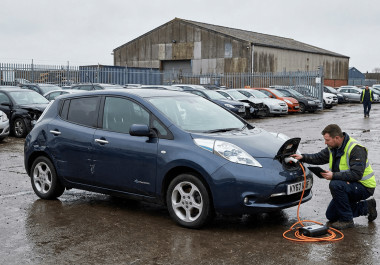
You frequently log into online salvage platforms and spot pristine Ford Transit Customs displaying exactly 80,000 miles, or immaculate BMW 3 Series saloons that look barely run-in. They have not been involved in heavy collisions. They have not been recovered from theft rings. They are premium ex-fleet vehicles. They arrive at salvage compounds for logistical and financial reasons that have absolutely nothing to do with structural crash damage.
Corporate fleet disposal represents a massive, highly lucrative segment of the modern auction world. Every single year, thousands of perfectly maintained company cars and lease returns hit the digital block. For professional buyers who truly understand how to read the data, these vehicles represent exceptional margin opportunities. However, you must fundamentally understand exactly why they are there. Buying blind leads to disaster. You must possess the analytical skills to separate a genuinely maintained corporate bargain from a thrashed commercial liability.
What Defines an Ex-Fleet Vehicle
An ex-fleet vehicle is simply any car or commercial van previously leased, managed, or owned by a corporate business rather than a private individual. This broad definition covers everything from premium sales representatives' highway cruisers to heavy-duty urban delivery vans. The fundamental difference lies in the acquisition and operational model: these vehicles were procured in massive bulk orders, maintained on rigid corporate schedules, and frequently operated by multiple, entirely unsentimental users.
Fleet vehicles typically fall into three distinct categories. Lease returns arrive at the compound the exact day their three or four-year corporate contract expires. Direct corporate disposals occur when a major utility company or delivery firm systematically clears out older operational stock to refresh their fleet. Finally, hire returns are generated by major rental companies aggressively rotating their high-use inventory. Each specific type arrives at the auction compound bearing completely different wear patterns and carrying entirely different mechanical risks.
Why Fleet Vehicles End Up at Salvage Auctions
The most common misconception is that every vehicle listed on a salvage platform is severely damaged. This is entirely false. Many ex-fleet vehicles processed through ex-fleet vehicle auctions are completely unrecorded, bearing no insurance category markers whatsoever. The primary reason they appear alongside crashed vehicles is sheer volume logistics. Corporate fleet operators frequently dispose of three hundred identical white vans on the exact same day. The traditional retail dealer network simply lacks the physical space and capital to absorb that massive influx of identical stock.
Instead, corporate entities turn directly to specialist auction houses capable of processing high-volume commercial liquidations rapidly. These digital platforms provide the secure compound infrastructure and nationwide buyer networks required to clear massive volumes of corporate stock efficiently. This is precisely why you consistently find perfectly viable commercial vehicles listed seamlessly alongside standard accident-damaged salvage. The finance company demands immediate capital recovery the moment a lease ends, making rapid auction disposal their only viable logistical route.
The Hidden Advantages of Ex-Fleet Vehicles
Corporate fleet vehicles frequently carry an unfair reputation for being brutally abused. The operational reality is significantly more nuanced. While they undoubtedly suffer from unsentimental drivers, they also benefit from strict, mandatory corporate servicing schedules. Major fleet operators simply cannot afford unexpected mechanical downtime. A sales representative stranded on the hard shoulder of the M6 costs the business substantially more in lost revenue than a standard scheduled main-dealer service.
Consequently, fleet vehicles receive mechanical attention exactly when the manufacturer dictates. You will routinely find digital service records fully stamped every twelve months without fail. Furthermore, the mileage is virtually guaranteed to be honest. Corporate operators meticulously track every single mile via telematics for strict tax and depreciation purposes. Finally, the factory specification of fleet vehicles tends to be exceptionally generous. Corporate buyers negotiate aggressive bulk purchasing deals that frequently include premium navigation systems, upgraded safety suites, and automatic transmissions at zero extra cost.
The Real Risks You Need to Know
The defining difference between a privately owned car and a commercial fleet vehicle lies entirely in the mechanical wear patterns. Private owners generally exhibit mechanical sympathy; they allow engines to warm up and avoid brutal acceleration. Corporate fleet drivers frequently do not. That company vehicle is often driven aggressively from stone cold every single morning.
This lack of mechanical sympathy manifests immediately in the interior. Driver's seat bolsters become heavily compressed, steering wheels become polished and shiny, and the switchgear exhibits heavy use. Mechanical stress accumulates in entirely different ways. While a sales representative's car racks up easy motorway miles, a multi-drop delivery van endures constant, brutal stop-start urban work. This driving profile rapidly destroys clutches, prematurely wears brake discs, and heavily strains dual-mass flywheels. In diesel fleet cars, endless short urban journeys virtually guarantee expensive, impending Diesel Particulate Filter (DPF) blockages.
How to Identify Ex-Fleet Vehicles at Auction
Corporate fleet vehicles leave highly visible clues within their digital auction listings. The registration pattern is the most immediate giveaway. If you spot multiple identical vehicles in the catalogue bearing consecutive number plates, you are undeniably looking at a bulk corporate fleet disposal. The interior specification tells a similar story. Base-model vehicles heavily optioned with highly specific extras (like heavy-duty alternators or reinforced ply-lining) were custom-built to a specific corporate fleet order.
Digital service history location is another massive indicator. If every single service stamp originates from the exact same main dealer located in one specific city, despite the car showing 80,000 miles, it was managed by a localised fleet contract. You must also scrutinise the high-resolution paintwork photography. Look exceptionally closely for faint "ghost" outlines where massive corporate vinyl branding or high-visibility chevrons were aggressively peeled off prior to the auction listing.
Which Fleet Vehicles Offer the Best Value
Not all corporate vehicles represent equivalent value. Premium executive cars, such as the BMW 3 Series or Audi A4, offer some of the most exceptional depreciation opportunities in the market. Corporate buyers pay massive premiums for these vehicles, but their auction values frequently collapse simply due to the perceived risk of high motorway mileage.
Medium commercial vehicles, particularly the Ford Transit Custom, represent absolute fleet disposal gold for trade buyers. Major businesses maintain them rigorously and replace them on strict operational schedules. You are purchasing a highly predictable, known quantity. Furthermore, hybrid fleet cars are currently emerging as highly intelligent buys. Recent corporate car tax regulations heavily incentivised businesses to adopt hybrid technology. Consequently, a massive wave of meticulously maintained, low-mileage hybrid vehicles is currently hitting the auction compounds at highly attractive trade prices.
What to Check Before You Bid
Modern salvage platforms leverage high-resolution photography and detailed digital reports, offering buyers a highly efficient way to conduct due diligence from anywhere in the country. When assessing fleet vehicles, you must learn to read the provided documentation expertly. Do not simply count the service stamps; verify that the crucial, highly expensive major interval services (like timing belt replacements) were actually completed on schedule.
Use the high-resolution dashboard photography to check for illuminated engine management lights or DPF warnings. Because you are assessing the vehicle digitally, the public DVLA MOT database is your best friend. A thorough MOT history check instantly reveals recurring advisories for hidden undercarriage corrosion, severe oil leaks, or worn suspension components that indicate long-term corporate neglect. Finally, comprehensive HPI checks remain absolutely mandatory to verify that the corporate finance lease has been completely cleared before the vehicle was sent to auction.
How Fleet Disposal Affects Auction Bidding
The influx of ex-fleet vehicle auctions creates highly specific bidding dynamics. Professional trade buyers fully understand the inherent value of documented corporate maintenance and will bid aggressively on clean examples. Conversely, private buyers are often irrationally terrified by the high mileage and avoid them entirely. This exact discrepancy creates massive opportunities for the educated buyer.
The absolute sweet spot for maximum profitability often lies in corporate vehicles bearing minor cosmetic panel damage. A fleet van bearing a heavily scraped sliding door completely terrifies retail buyers. While competitive bidding still dictates the final hammer price, a competent trade buyer can calculate exactly what it costs to source a matching door from a salvage breaker, setting a mathematically precise proxy bid that capitalises on the reduced broader market appeal. Timing is equally critical. Massive corporate disposals routinely happen just before the end of the UK financial year in April, flooding the market with supply and temporarily softening hammer prices.
The Documentation You Should Expect
Corporate fleet vehicles should arrive at the compound with highly comprehensive paperwork. The V5C logbook is the most critical document. If the digital listing explicitly states the V5C is missing, you are not required to walk away, but you must strictly factor in the cost and operational delay of submitting a V62 application to the DVLA to establish yourself as the new registered keeper.
Digital service histories are now standard for major corporate operators. Many modern fleet vehicles no longer possess physical stamped books; the entire maintenance record is held on the manufacturer's central database. You must verify if the RAW2K platform provides printouts of this digital history within the lot images. Furthermore, you must ensure you retain all bidding confirmations, invoices, and collection records to establish a clear, documented audit trail for any subsequent repairs and eventual resale.
Regional Variations in Fleet Disposal
Fleet disposal patterns across the UK are highly regionalised. London and the South East naturally generate massive volumes of premium executive cars and hybrid vehicles due to corporate headquarters concentrations and strict emission zones. If you are seeking premium German saloons, targeting auction hubs in the South East is a highly strategic move.
Conversely, the North West and Midlands consistently produce the heaviest volumes of commercial vehicle and heavy transit disposals, driven by massive logistics and warehousing industries. Scotland routinely sees a highly disproportionate volume of rugged 4x4 and utility vehicle corporate disposals. Furthermore, urban centres often process massive courier fleet disposals, meaning checking a motorcycle auction can frequently yield perfectly maintained delivery scooters discarded by logistics companies.
Making Ex-Fleet Vehicles Work for Your Business
For independent traders and mechanics, mastering the corporate fleet market offers an incredibly consistent stream of highly profitable stock. You eliminate the massive variables associated with buying privately. The documented service history exists. The mileage is legally verified. You can build a highly stable business model entirely around this predictable supply when sourcing through standard car auctions uk channels.
The most successful trade operations succeed through ruthless specialisation. They focus entirely on one or two specific commercial vehicle types and learn every single common fault. When browsing standard salvage cars catalogues, they completely ignore the noise and focus strictly on their designated fleet models. For private buyers, acquiring ex-fleet stock makes incredible financial sense if you strictly prioritise documented mechanical reliability over the prestige of low mileage.
When to Walk Away from Fleet Vehicles
Certain corporate vehicles represent a massive financial liability regardless of how low the current proxy bid sits. Regardless of how appealing a vehicle auction listing appears, high-mileage diesel stock exhibiting explicit warning lights for severe DPF failure or EGR valve faults will frequently cost more to repair than the vehicle is actually worth. Similarly, you must rigorously avoid ex-rental cars originating from aggressive, ultra-budget daily hire companies.
If a corporate operator lists a vehicle strictly as "spares or repair," you must believe them. Corporate fleet mechanics are highly competent. If their internal workshop determined the vehicle was completely uneconomical to repair, an independent mechanic will rarely fare better. If you are entirely unsure about the viability of a heavily damaged fleet vehicle, running a rapid scrap my car valuation instantly provides the absolute baseline commodity value of the raw materials.
The Future of Fleet Disposal
The corporate vehicle landscape is currently undergoing a massive, unprecedented transition. The aggressive corporate shift toward electric vehicles (EVs) to meet strict ESG mandates is currently creating a massive wave of early diesel fleet disposal. Major logistics companies are systematically dumping highly viable, three-year-old diesel vans purely because their corporate policy now demands an entirely electric fleet.
This transition creates incredible, highly lucrative short-term value opportunities for trade buyers operating in regions where diesel remains entirely viable. As the industry evolves, secure online platforms process virtually the entire volume of this corporate turnover. Buyers must utilise advanced digital filters on their chosen salvage vehicle auctions platforms to automatically capture these specific, highly profitable disposal waves the moment they hit the digital compound.
Conclusion
Ex-fleet vehicles dominate online salvage and liquidation platforms simply because secure digital auctions are the absolute most efficient channel for processing massive corporate volume. They are not flawless vehicles, and they absolutely require thorough due diligence. However, they are far from the dangerous mechanical liability that uninformed retail buyers assume them to be.
The financial advantages of securing these vehicles are massive. You acquire strictly documented service histories, mathematically honest mileage, and highly predictable repair profiles. Success in this specific sector relies entirely on executing clinical digital inspections, rigorously checking the DVLA MOT history, and bidding with cold, mathematical precision.
For professional buyers, mastering this specific inventory stream is essential. If you require any guidance navigating corporate lot descriptions or managing your proxy bidding limits, feel free to contact us.
To begin actively sourcing premium corporate fleet inventory for your business, create your profile and register to bid today.