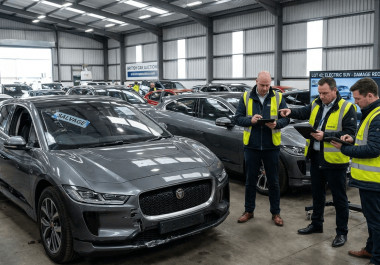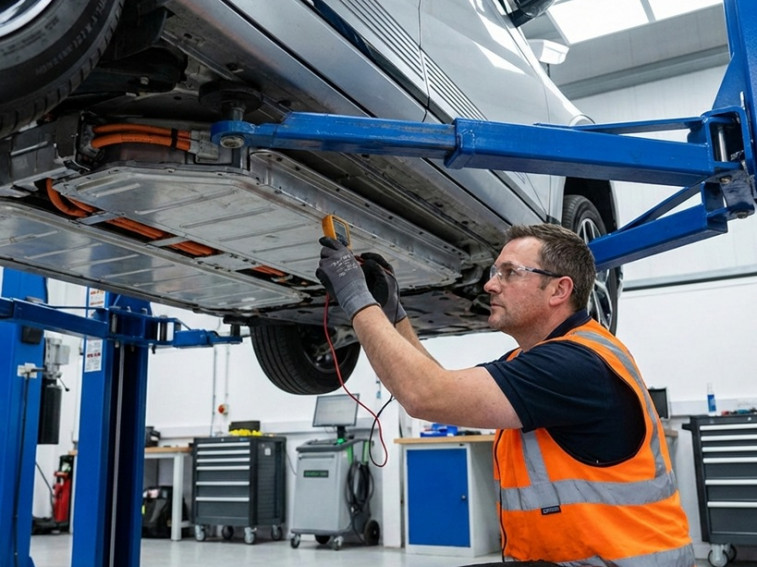
The market for electrified vehicles is booming. This growth is reflected in the auction hall, where increasing numbers of electric vehicles (EVs) and hybrids appear.
For buyers looking for significant value, these cutting-edge models present both a compelling opportunity and a unique set of challenges. Compared to traditional internal combustion engine (ICE) cars, successfully sourcing an EV or hybrid requires a deep understanding of its core technology, particularly the high-voltage battery system.
This expert guide explores the specialised considerations required before attempting to secure electric hybrid salvage cars through salvage vehicle auctions. We provide the necessary insights to determine if buying EV salvage cars safely is the right move for your budget and expertise.
The Rise of Electric Vehicles in UK Auctions
As EV ownership increases across the UK, so too does their presence in auctions. These vehicles often enter the salvage stream for the same reasons as petrol or diesel cars: accidents, flood damage, or theft recovery.
However, the decision to declare an electrified vehicle as salvage can sometimes relate specifically to battery damage, even if the visible structural damage is minor. The value proposition is tempting. Securing a partially damaged electric model can provide access to technology otherwise priced beyond reach.
Why Hybrid and EV Models Enter the Salvage Market
The cost of replacing a high-voltage battery pack is significant, sometimes exceeding the vehicle's market value, even for relatively new cars. Insurers often find it more economical to write off an EV after an accident than to replace a compromised battery.
This is frequently the case even when the vehicle is classified as Category N (Non-structural) and is otherwise repairable. Consequently, the salvage market has become a vital source for vehicles that are structurally sound but require expert electrical attention for electric hybrid salvage cars.
A typical lithium-ion battery pack replacement can cost between £5,000 and £15,000 depending on the vehicle make and model. For a three-year-old Nissan Leaf with moderate accident damage, the battery alone might represent 60-70% of the vehicle's pre-accident market value. This economic reality pushes many otherwise repairable EVs into salvage categories.
For vehicles beyond economic repair, arranging scrap collection ensures compliant disposal of high-voltage components. Proper disposal is critical as damaged lithium-ion batteries pose fire and environmental hazards if not handled correctly.
The Battery Degradation Factor
Beyond accident damage, battery degradation is a crucial consideration when buying EV salvage cars safely. Even undamaged batteries lose capacity over time and charge cycles. A salvage EV with high mileage may have a battery already operating at 70-80% of its original capacity.
This degradation affects range and resale value significantly. Buyers must factor in potential battery replacement or refurbishment costs even for vehicles with intact battery packs. The age of the battery pack is often more important than the vehicle's manufacturing date.
Weighing the Risks: Hybrid Salvage Pros and Cons
Purchasing an electrified vehicle at auction involves navigating a specific balance of high rewards against highly technical risks. Understanding hybrid salvage pros and cons helps set realistic expectations for repair costs and potential resale value.
While you might secure a luxury or performance EV at a fraction of its retail price, the hidden expense of electrical repair can rapidly erode any perceived savings.
Core Challenges: Battery Health and High Voltage
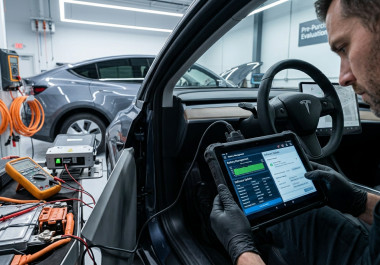
The primary risk lies in the high-voltage components: the battery, power electronics, and cabling. These require specialist knowledge to assess and handle safely.
Damage to the battery management system (BMS) can render the entire pack inoperable, even if the individual cells are intact. The BMS is the brain of the battery pack, monitoring cell voltages, temperatures, and charge states. A faulty BMS can't be simply replaced like a traditional car computer; it's often integrated into the battery pack itself.
Estimating the cost of a new EV battery is like pricing a new roof for a house you haven't bought yet. You know the cost will be massive, but you can only estimate the severity of the damage until a professional assesses the internal structure.
Any repair work must adhere to stringent UK safety standards for high-voltage systems for buying EV salvage cars safely. Only qualified technicians with proper insulated tools and personal protective equipment should access these systems.
The Cost Advantage and Repair Potential
Despite the risks, buyers who possess the technical skill or have established relationships with certified EV repair workshops can find significant value. Understanding hybrid salvage pros and cons helps identify which lots offer genuine opportunity. Beyond the powertrain, bodywork and standard mechanical parts on an EV are often identical to their ICE counterparts.
The potential profit margin on a successfully repaired, high-demand electric vehicle can be substantial. This makes them highly desirable auction targets for experienced dealers sourcing profitable stock. Browse all vehicle categories to explore current electric and hybrid listings across multiple salvage categories.
Popular EV Models in the Salvage Market
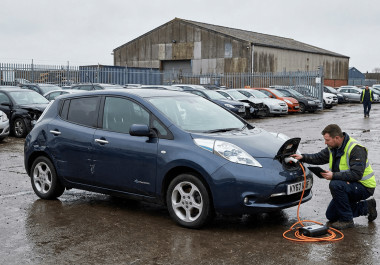
Certain electric and hybrid models appear more frequently in salvage auctions due to their market prevalence. The Nissan Leaf, as the UK's best-selling EV for many years, regularly features in salvage listings. Its widespread adoption means parts availability is excellent and repair knowledge is well-established.
Tesla Model 3 and Model S vehicles also appear frequently, often with relatively minor damage that triggered insurance write-offs due to high repair quotes. These premium EVs can offer exceptional value if the battery pack and drivetrain remain intact.
Hybrid models like the Toyota Prius and various plug-in hybrids (PHEVs) present a middle ground. They combine electric motors with traditional engines, potentially offering more repair flexibility than pure EVs.
Your Strategy for Buying EV Salvage Cars Safely
Due diligence is always paramount in auctions. It becomes non-negotiable when buying EV salvage cars safely.
You must operate with a degree of caution and technical scrutiny that goes beyond the standard visual check for accident damage. Failure to verify key information could result in purchasing an unrecoverable vehicle.
Essential Pre-Bidding Checks for Electrified Vehicles
Since physical viewing is often impractical, remote appraisal must focus on indicators of battery or water intrusion damage. Look for clear signs of previous repair. An unprofessional fix on high-voltage systems is a major red flag.
When reviewing the listing information, focus on:
Water Damage Indicators: Check the interior photos for high water marks, signs of condensation within the cabin, or corrosion on low-mounted wiring harnesses. Water damage is particularly detrimental to sensitive EV electronics. Battery packs are typically located in the floor pan, making them vulnerable to flood damage.
Battery State of Charge (SOC): If visible, note the SOC displayed on the dashboard. A deeply discharged or zero-reading battery is an immediate indication of a potentially expensive failure. Lithium-ion batteries left in deeply discharged states for extended periods can suffer permanent damage.
Charge Port Condition: Look for any damage or stress marks around the charging port, which could indicate physical trauma that travelled directly into the main charging circuit. A damaged charge port often suggests impact damage that may have affected the battery mounting.
Error Codes and Lights: Check photographs for warning lights, specifically those related to the propulsion or battery systems, which may be visible on the dashboard display. EV-specific warning lights (battery temperature warnings, high-voltage system faults) are critical red flags.
Charging Cable and Equipment: Verify whether the vehicle includes its original charging cable and any home charging equipment. Replacement charging cables can cost £200-500, an expense often overlooked by inexperienced buyers.
Understanding Different Levels of Damage
Accurately assessing the salvage classification is your guide to repair complexity for electric hybrid salvage cars. A Category N hybrid with minor cosmetic damage and an intact battery is a very different proposition from a Category S EV with structural damage that may have compromised the battery housing.
Always assume the most severe possible damage within the battery until a specialist can confirm otherwise. Battery packs are encased in protective housings, but structural damage can compromise waterproofing and thermal management systems. For other vehicle types requiring similar scrutiny, explore motorcycle and scooter auctions that also demand careful electrical assessment.
Calculating the True Cost of EV Salvage Repairs
Understanding the full financial picture is essential before bidding on electric hybrid salvage cars. Unlike conventional vehicles where repair costs are relatively predictable, EVs can surprise even experienced buyers.
Breaking Down Battery Replacement Economics
If battery replacement is necessary, costs vary dramatically by manufacturer. A replacement battery for a Nissan Leaf (40kWh) typically costs £8,000-10,000 including labour. Tesla battery packs range from £12,000-20,000 depending on capacity and model.
However, battery refurbishment presents an alternative. Specialist companies can replace faulty modules within a battery pack rather than the entire unit, reducing costs to £2,000-5,000. This option requires careful vetting of the repair provider to ensure warranty coverage.
Labour Rates for High-Voltage Certification
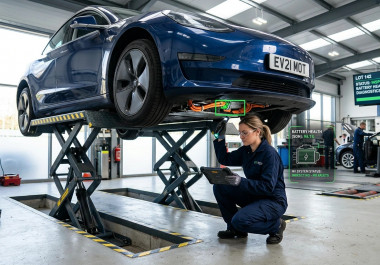
Standard mechanics cannot legally work on high-voltage systems. IMI Level 4 certified technicians command higher hourly rates, typically £80-120 per hour compared to £50-70 for conventional mechanics.
Simple repairs like replacing a charge port might take 2-3 hours, whilst battery pack removal and inspection can require 8-10 hours of specialist labour. Always obtain firm quotes before committing to repairs.
Navigating the Repair and Re-registration Process
Successfully returning a salvage EV to the road is a multi-step process that demands certified expertise. This is particularly true for vehicles designated as Category S, where the initial cost savings are tested against the necessity for expensive, official labour.
Finding Specialist Repairers and Certification
High-voltage systems must only be accessed and repaired by technicians holding the relevant qualifications, such as IMI Level 4 in Electric/Hybrid Vehicle Repair. Attempting DIY repairs on these components is extremely dangerous and illegal in a commercial context.
The high-voltage battery systems in EVs operate at 400-800 volts, capable of delivering fatal electric shocks. Even with the vehicle powered off, capacitors can retain dangerous charges. This isn't an area for amateur experimentation.
Once structural repairs are complete, a Category S vehicle must pass a new MOT and be re-registered with the DVLA. This confirms it meets all safety standards before it's safe for the road. For EVs, MOT testers now check high-voltage system integrity and proper labelling of electrical components.
Consider Sarah, a seasoned dealer who began buying EV salvage cars safely, specifically targeting non-structural models with interior cosmetic damage. She has a working arrangement with an accredited high-voltage repair centre.
Recently, she secured an almost-new hybrid at auction. The vehicle required only a minor battery connector replacement, a highly specialist but relatively low-cost repair. This allowed her to profitably sell the car into the market at a significant premium once certified.
Warranty and Insurance Considerations
Repaired salvage EVs face additional challenges securing comprehensive insurance. Many mainstream insurers refuse to cover Category S electric vehicles due to perceived fire risks from damaged battery systems. Specialist salvage vehicle insurers exist but charge premium rates.
Manufacturer warranties are typically voided for salvage vehicles, eliminating the battery warranty that normally covers capacity degradation. This increases long-term ownership risk, as battery issues arising post-purchase become the buyer's full financial responsibility.
Final Bidding Tips for High-Voltage Vehicles
Approaching the auction with discipline is essential, particularly when bidding on electric hybrid salvage cars. Because the repair costs can be so volatile, your maximum bid must be conservative. Incorporate a high contingency fund for unexpected battery issues.
Don't get carried away by the prospect of a high-value car. Remember that risk equals reward, but also potential loss. Set your maximum bid at no more than 40-50% of the repaired market value for Category S EVs, compared to 60-70% for conventional salvage cars. The additional risk warrants extra margin.
Use the available listings and filters to narrow down your search to regions or types that align with your repair capabilities. Exploring commercial vehicle options can also reveal electric van opportunities for trade buyers, as the commercial EV market is expanding rapidly. With extensive vehicle opportunities running constantly across the platform, there's always another chance to secure the right asset.
Ready to start sourcing electric and hybrid stock? Register to access auctions and begin exploring listings with confidence. New electric and hybrid vehicles are added regularly as the UK's EV fleet continues expanding.
Understanding hybrid salvage pros and cons is essential before committing to electric hybrid salvage cars. By approaching buying EV salvage cars safely with technical knowledge and certified repair partnerships, you can transform high-risk lots into profitable assets. RAW2K Vehicle Auctions offers transparent listings across all electrified vehicle categories.