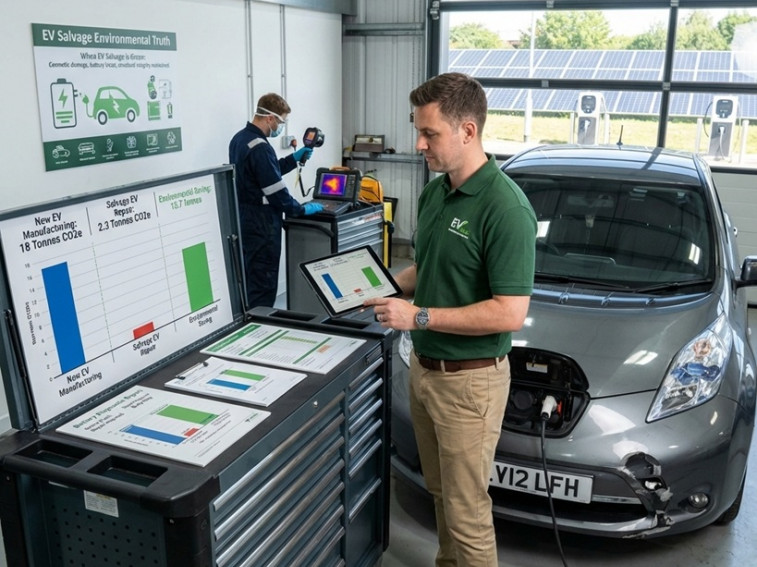
The shift towards zero-emission vehicles represents a global effort to combat climate change, yet the conversation often neglects what happens when these cars are damaged. Electric vehicles (EVs) are typically considered 'green' because they produce no tailpipe emissions. However, when an EV ends up in the salvage category, buyers often ask whether repairing and reusing it truly benefits the planet. Successfully buying salvage and used vehicles at auction that are electric means balancing cost-effectiveness with genuine environmental responsibility through our auctions. This analysis explores the lifecycle impact of damaged EVs and provides clarity on their sustainable potential.
The Initial Carbon Footprint: Comparing New vs. Salvage
The argument for the environmental superiority of EVs rests heavily on their operational lifespan, but the manufacturing stage carries a significant burden. Producing a new electric vehicle, particularly its large battery pack, requires substantial energy, leading to a higher initial carbon footprint than a conventional internal combustion engine (ICE) car. This high initial cost is only offset after many miles of zero-emission driving.
This complexity is why the world of salvage and vehicle reuse becomes so vital. When a damaged EV is repaired and put back on the road, that initial manufacturing carbon cost doesn't need to be incurred again. By extending the service life of an existing vehicle, you're maximising the return on the energy already spent in its creation. This practice directly contributes to a circular economy model, which is fundamentally more sustainable than a disposable one and demonstrates the environmental impact of EV salvage at its best.
Manufacturing Emissions and the Second Life
The substantial environmental cost of vehicle production is known as embodied carbon. For an EV, estimates suggest this figure can be significantly higher than for a petrol or diesel car, largely due to the mining, processing, and assembly of battery materials. Therefore, the most impactful way to improve the green credentials of any vehicle is to keep it running for as long as possible.
Restoring a damaged EV provides a critical 'second life' to the chassis and components. This act immediately reduces the average carbon cost per year of vehicle ownership. It's a practical way for buyers to participate in sustainable mobility without relying on brand-new manufacturing through vehicle auction platform access.
The True Environmental Impact of EV Salvage
The environmental impact of EV salvage hinges entirely on the nature of the damage and the method of repair. If an EV requires only superficial bodywork or minor electrical fixes, its return to the road is a clear environmental win. The largest single variable is the health and repairability of the lithium-ion battery pack.
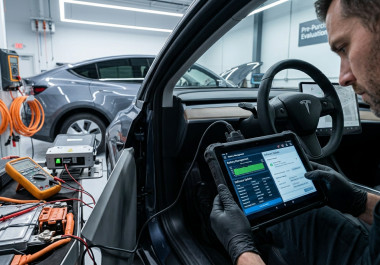
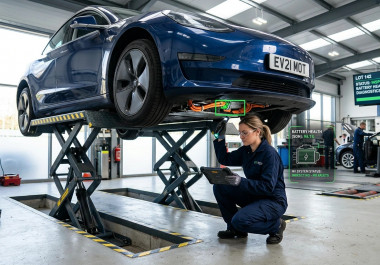
Replacing a battery is expensive and, from a carbon perspective, effectively recreates a large portion of the car's initial embodied carbon footprint. However, if the battery modules can be individually repaired or if the damage is to surrounding systems, the environmental benefit is substantial. This makes careful inspection before bidding on damaged electric vehicles absolutely paramount for assessing green claims of EV salvage cars.
Navigating EV Salvage Categories and Battery Concerns
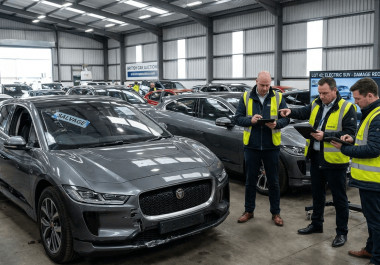
Buying a salvage EV is a different proposition than buying a salvage petrol car, primarily because of the high-voltage battery system. Buyers must pay extra attention to the details of the insurance classification, as this often hints at the extent of the impact on the battery and drivetrain. All available information is shared to ensure transparency in evaluating green claims of EV salvage cars.
Understanding Damage Classification (Category N vs. S for EVs)
The classification rules, Category S and Category N, still apply to electric vehicles but carry new implications. A Category S (Structural) classification means the vehicle's high-voltage structure or battery housing may be compromised, which is highly problematic. Repairing structural damage near the battery often requires specialised facilities and thorough safety checks.
Conversely, a Category N (Non-structural) EV might have damage that is purely cosmetic or involves low-voltage systems, like the infotainment or lights. These vehicles usually represent a much lower risk to the main propulsion battery and are often the most appealing for profitable, environmentally conscious repairs through full car selection. They offer a strong case for the green claims of EV salvage cars because the core technology remains intact.
Beyond Cars: Assessing Green Alternatives
The pursuit of sustainable transport extends beyond cars to smaller vehicles that are often sourced for urban use or personal projects. Specialist auctions frequently feature electric scooters and motorbikes, offering another avenue for low-emission transport.
Battery thermal runaway is a serious issue, and vehicles involved in significant collisions are usually automatically classified as write-offs to mitigate risk. Always treat a salvaged EV as a specialised project requiring detailed inspection of the battery management system (BMS) and cooling system.
The UK-Wide Scope of Sustainable Stock Availability
A key advantage for both private buyers and professional dealers is the comprehensive regional coverage of stock available across the UK. This widespread availability allows buyers to source damaged or used vehicles closer to their repair facilities, further reducing the carbon footprint associated with long-distance transport.
For professional fleet buyers, securing stock in specific areas is a strategic advantage. Likewise, private buyers across the UK can focus their search on locally available salvage cars through local auction venues. This localised sourcing makes sustainable repair projects more efficient and reduces the overall environmental impact of EV salvage operations.
Pinpointing Regional Electric Vehicle Opportunities
The extensive network means buyers nationwide can easily find suitable stock. Each region offers unique opportunities, from flood-damaged vehicles in coastal areas to collision repairs common around metropolitan hubs. This ability to search locally strengthens the environmental case for salvage purchases by reducing logistics emissions and supporting the green claims of EV salvage cars through reduced transport requirements.
The Responsible Bidding Strategy and Support
The most successful buyers of electric salvage stock are those who are thorough, patient, and risk-averse. The promise of environmental benefit shouldn't override the need for financial prudence. Your strategy should blend your maximum financial limit with a clear scope of repair work that adheres to your environmental goals.
Due Diligence in Electric Car Auctions
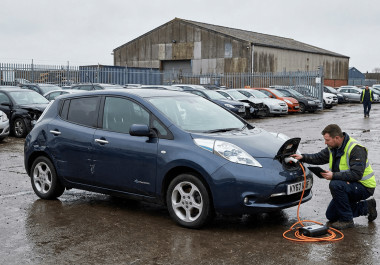
When participating in electric car auctions, ensure you seek independent verification of the vehicle's history, especially regarding collision type and potential water ingress. Water damage is particularly catastrophic for high-voltage systems and can render a vehicle irreparable, regardless of its classification. Utilise every detail provided in the listing to build a clear risk profile.
Contributing to the Circular Economy
Ultimately, purchasing and restoring an EV from salvage is a powerful step towards supporting the circular economy. You're not just securing a discount; you're actively recycling high-tech, resource-intensive materials. This decision, if executed with thorough research and professional repair, makes a tangible difference in reducing automotive waste. Transparency is provided with all available information to make an informed, confident, and sustainable purchase. Register for access today to explore the environmental impact of EV salvage opportunities and contribute to a greener automotive future.