Watching a prized vehicle disappear beneath rising floodwaters is a heart-wrenching experience that signals total financial ruin for most owners. The muddy tide leaves behind a trail of silt, foul odours, and the crushing assumption that the car is destined for the scrap heap. Yet, the line between a worthless write-off and a profitable restoration is often thinner than most bidders realise.
A dealer once walked away from a flooded BMW 3 Series at an auction, completely convinced it was just useless scrap metal. Two weeks later, that exact same car sat on a forecourt with a fresh MOT and a £7,000 price tag. The difference was simply having someone who understood what water damage actually means.
The short answer is no, not all flood damaged cars are beyond repair. However, the depth of water exposure and the drying speed dictate everything. These crucial factors determine whether a vehicle is a fun weekend project or an incredibly expensive nightmare.
When viewing vehicles at auction, buyers see everything from cars needing a deep clean to complete write-offs. The key is accurately analysing the insurance salvage assessment before placing a bid. Taking the time to understand the mechanical reality prevents costly mistakes.
What Actually Happens When a Car Gets Flooded
Water damage is completely different from standard collision damage. You cannot just bang out a dent and respray the exterior panels. Water seeps into every single crevice and immediately triggers electrical system corrosion. It also contaminates vital engine fluids in ways that might remain hidden for months.
Furthermore, freshwater flood exposure causes entirely different problems compared to saltwater submersion. A car pulled from a flooded river might survive with proper, immediate drying. Conversely, a vehicle submerged in seawater faces rapid, ruthless destruction. Salt aggressively attacks wiring looms, electronic control units, and bare metal components.
The visible water line essentially tells you everything about the damage extent. If the water only reached the door sills, buyers mainly face carpet and interior trim issues. If it reached the dashboard, instruments and central electronics are likely ruined. If water went over the roof, buyers should usually walk away entirely.
The Categories That Matter at Auction
When browsing salvage auction listings, flooded cars typically appear as Category N or Category S. This classification depends entirely on the initial insurance salvage assessment regarding repair costs versus total value.
Category N indicates non-structural damage, typically featuring these distinct traits:
-
Water never reached any critical structural components
-
Damage is strictly limited to the interior, electronics, and cosmetics
-
The insurer deemed the repair costs completely uneconomical
-
The vehicle has absolutely no chassis or structural frame damage
Category S indicates structural damage, usually involving these more severe factors:
-
Structural components sustained damage from moving floodwater or heavy debris
-
The car sat partially submerged for an extended period of time
-
Repairs require professional assessment and significant structural work
-
The vehicle faces a higher risk of long-term metal corrosion
Crucially, the salvage category alone does not dictate if the car is repairable. A Category N car sitting wet for three weeks might be worse than a Category S vehicle dried within hours. The timeline matters just as much as the water depth.
Which Components Survive Flooding
Industry experience shows that certain components remain remarkably resilient after flooding. Conversely, other parts are essentially ruined the exact moment they get wet. Understanding this distinction is vital for accurate budgeting.
Resilient components typically include:
-
Engine blocks and transmission casings, assuming the car was not running
-
Heavy suspension components and solid metal linkages
-
Brake discs and calipers, provided they receive proper cleaning
-
Exterior body panels and glass components
-
Stainless steel exhaust systems
Highly vulnerable components usually include:
-
Wiring harnesses, because electrical system corrosion starts immediately upon contact
-
Airbag systems, as moisture easily triggers sensitive deployment mechanisms
-
Instrument clusters and delicate LCD screens
-
Electric seat mechanisms and sensitive interior motors
-
Sound deadening materials that trap moisture and actively promote rust
The hybrid and electric vehicle market adds another layer of serious complexity. High-voltage battery packs sometimes survive brief freshwater flood exposure without catastrophic failure. However, insurance companies usually write these off automatically due to major safety and liability concerns.
The Real Cost of Flood Damage Repair
This is exactly where many buyers calculate their financial sums completely wrong. They see a cheap vehicle, assume minor repair costs, and expect massive profits. The reality of restoring flood damaged cars is far messier and much more expensive.
Typical repair costs often include:
-
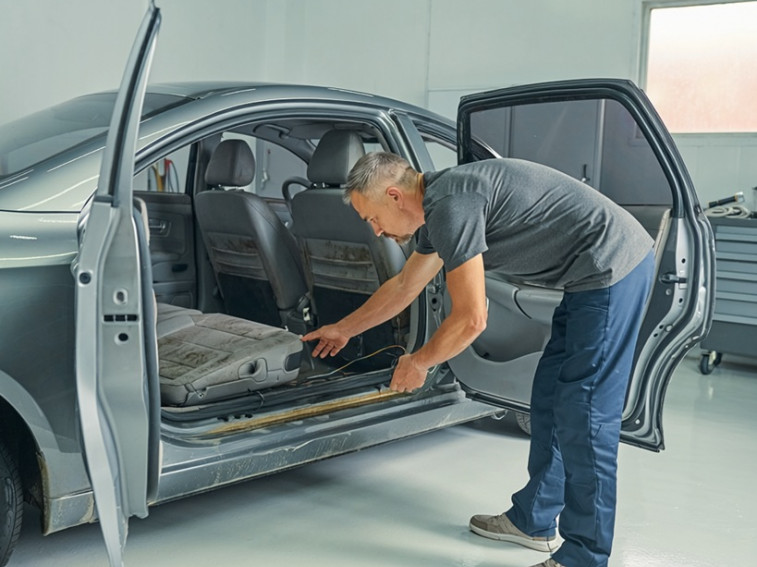
Complete interior strip and dry-out: between £500 and £1,500
-
Electrical diagnostics and fault finding: between £200 and £800
-
Electronic control unit replacement: between £300 and £2,000 per individual unit
-
Comprehensive wiring harness repair: between £500 and £3,000
-
Complete fluid flushes for the engine and gearbox: between £300 and £600
-
Full carpet and interior trim replacement: between £400 and £1,200
Traders frequently spend thousands repairing a vehicle, only to discover intermittent electrical faults later. The car was not physically beyond repair, but it was certainly beyond economical repair. If a restoration project ultimately becomes unviable, buyers can always utilise scrap car valuation services to safely recover some capital.
When Flood Damage Makes Sense to Repair
There are specific scenarios where buying a flooded vehicle through RAW2K makes perfect financial sense. These situations are highly specific, requiring the right technical skills and realistic expectations.
First, trade buyers with in-house workshop capabilities possess a massive advantage. If you have diagnostic equipment and stripping skills, you can absorb high labour costs. Dealers frequently source repairable salvage inventory and restore it for a healthy profit margin.
Second, older vehicles with minimal electrical systems are incredibly forgiving. Cars featuring mechanical fuel injection are much easier to fix than modern vehicles packed with complex sensors. A flooded vintage off-roader is a very different proposition to a flooded luxury SUV.
Finally, buying strictly for parts is often a highly lucrative strategy. If you run a breaker yard, a flooded car provides excellent mechanical spares. You can easily harvest engines, glass, and body panels if the water completely missed them.
What to Check Before You Bid
Never place a bid without completing thorough background research first. The listing will state the vehicle is flooded, but it will not provide the full recovery timeline. You must carefully examine the available images and technical details.
Always look for these critical visual indicators:
-
Clear tide marks on the upholstery and interior door cards
-
The current state of the carpets and any visible mould growth
-
Silt deposits and heavy water staining inside the engine bay
-
Pooled water in the boot area or spare wheel well
-
Any visible rust on exposed interior metal components
You must also understand exactly what you are not getting. Most flooded vehicles at salvage vehicle auctions lack keys and official documentation. Always factor expensive replacement keys and logbook application fees into your final maximum bid.
The Timeline Factor Everyone Ignores
Experienced buyers understand that time is the real enemy, not just the water. A car retrieved and dried within 24 hours stands an excellent chance of survival. A car sitting wet for three weeks is a completely different story entirely.
As time passes, several destructive processes accelerate rapidly:
-
Severe electrical system corrosion begins at every connection point within days
-
Mould spores rapidly colonise all damp fabrics and seats
-
Water contaminants permanently damage delicate rubber and plastic components
-
Residual moisture causes ongoing rust in hidden structural cavities
When viewing salvage auction listings, always try to determine the exact flooding timeline. If there is a significant gap before recovery, you must adjust your expectations accordingly. A severe insurance salvage assessment often deters inexperienced buyers from potentially easy, profitable fixes if the recovery was swift.
The Regional Reality of Flood Damage
If you search for vehicles in specific geographic areas, you will notice distinct regional patterns. Following major weather events in Yorkshire or the Midlands, local inventory naturally spikes. This sudden influx frequently impacts standard auction pricing.
Buyers might find better value in areas with less local demand. However, you must always factor in the required collection and transportation costs. Thoroughly checking salvage auction listings helps you identify the most viable restoration projects across different regions.
While freshwater flood exposure is highly problematic, coastal flooding remains particularly brutal. Treat any vehicles from coastal storm surges with extreme caution due to the salt. This careful approach applies equally to cars, commercial vans, and inventory found at damaged motorcycle auctions.
The Verdict on Bargain Opportunities
So, are all flood damaged cars completely beyond repair? Absolutely not. However, the majority probably are not worth repairing unless you possess very specific mechanical skills and dedicated workshop facilities.
The flooded BMW mentioned earlier was recovered quickly and dried professionally. It only needed an interior deep clean and minor electrical diagnostics. The dealer who walked away simply did not ask the right questions at the time.
The auction price is merely your entry fee into the project. The real cost lies in the repair, and the true risk hides in the mechanical unknowns. Always do your homework, participate confidently in online vehicle auctions, and bid logically rather than emotionally.
If you are new to the online auction process, understanding the platform rules is absolutely essential. For any general inquiries regarding account setup or site navigation, please direct your questions to the customer support team. Platform staff prefer that users have their accounts fully prepared before placing active bids.
Not all flood damaged cars are beyond repair, but many are definitely beyond economical repair. Knowing that crucial difference is what separates a fantastic bargain from a financial nightmare. To begin browsing current inventory and participating in the process, complete your salvage auction registration today.