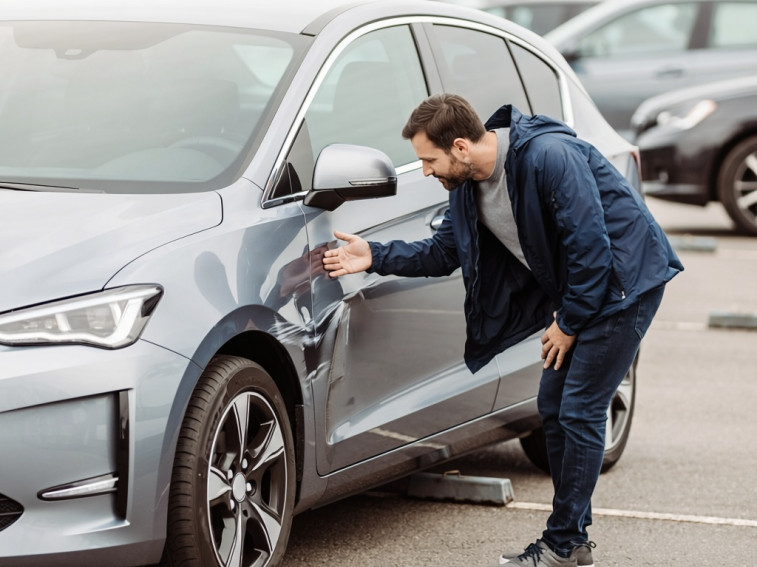
Electric vehicles with minor cosmetic damage represent one of the smartest plays in the current auction market. While many buyers view these cars with suspicion, they are actually robust machines that handle surface-level scrapes exceptionally well. Because the wider market has not yet adjusted to this reality, genuine bargains remain available for those who know exactly where to look.
The logic is simple: buyers often treat electric cars like fragile gadgets rather than vehicles. A scratched bumper or a dented door on a popular electric model can drop the final auction price by thousands of pounds. However, the most expensive parts, including the battery, motors, and electronics, usually stay completely safe and unaffected. It is comparable to buying a smartphone with a scratched case when the actual screen is in perfect condition.
The Psychology Behind Auction Pricing
Electric vehicle buyers generally fall into two distinct camps. The first group consists of tech enthusiasts who want absolute perfection and showroom shine. These buyers dominate the retail forecourts and drive up prices for immaculate examples. The second group consists of practical buyers who understand value and know that auctions are where the real opportunities hide.
When a three-year-old electric car arrives at auction with door dings or kerbed alloys, the retail buyers often vanish. They are chasing a flawless look and are willing to pay a heavy premium for it. What they often fail to realise is that electric vehicle auction value is not tied to surface paintwork. A scuffed rear panel has zero correlation with the car's actual driving performance. The battery simply does not care if the bumper is scratched.
Why Cosmetic Damage Matters Less on Electric Vehicles
One major advantage of electric architecture is how the core components are housed. Battery packs sit very low in the chassis and are protected by thick, heavy-duty structures. Even an impact that crumples a front wing rarely reaches the battery itself. Minor cosmetic damage, like car park scrapes or stone chips, exists entirely on the surface panels.
Compare this to a diesel van with a dented sill. In that case, you must check for chassis damage or hidden oil leaks. With an electric car sporting a scraped door, you are primarily looking at a simple paint job. The expensive parts are sealed units. Electric motors and inverters do not degrade because someone reversed into a bollard. You cannot always say the same for a petrol engine that has been through a front-end collision.
Key advantages of cosmetic damage on EVs include:
-
Battery health stays completely unaffected by surface scratches.
-
Electric motors have no direct exposure to external bodywork.
-
Cooling systems for the cells are well-protected and separate from body panels.
-
Software and internal electronics continue to function perfectly.
-
Charging ports and cables are rarely impacted by door dents.
Evaluating Repair Economics and Value Creation
Tracking recent sales reveals a very consistent pattern. An electric hatchback with light cosmetic damage often sells for 15% to 25% less than a pristine equivalent. Meanwhile, the cost of a professional repair is usually only 3% to 5% of the vehicle's total market value.
For example, a modern electric car in excellent condition might fetch £18,000 at auction. That same model with a cracked bumper and a scratched bonnet might sell for only £14,500. If the professional repairs cost £1,000, the buyer has just created £2,500 in potential value. This kind of margin is exactly why trade buyers are shifting their focus to these specific units. By spending an afternoon getting quotes, a buyer can secure a much higher return than they would with a standard used car.
Defining Minor Cosmetic Damage
Not all damage is created equal. Knowing the difference between a surface scratch and a structural problem saves buyers from expensive mistakes. Minor cosmetic damage refers to surface-level issues that do not affect the vehicle's structure or safety systems.
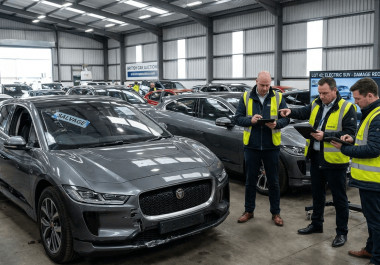
Fortunately, families can often target Category N cars because the marker denotes non-structural damage. Insurance companies frequently write off electric cars for cosmetic issues that would be fixed on petrol cars. This happens because main dealers often provide incredibly high repair quotes. An independent bodyshop can usually do the same high-quality work for a third of the price. This creates a sweet spot for anyone searching for salvage cars that only need a little bit of care.
Strategic Sourcing and Assessment Protocols
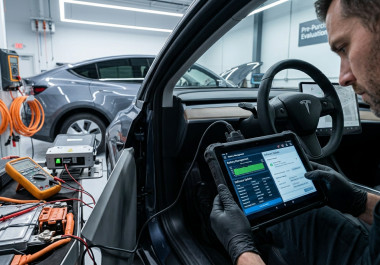
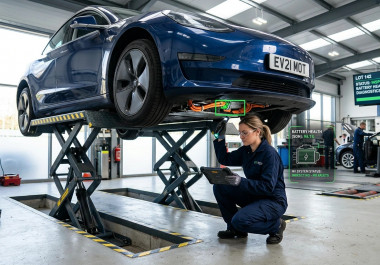
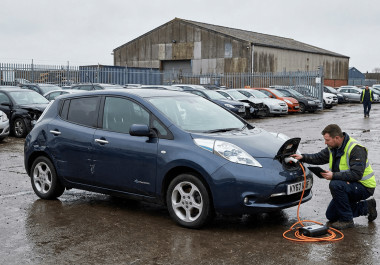
Even when a car looks like a cosmetic project, a systematic check is mandatory. Buyers should always review any available battery data. A healthy battery should retain over 90% of its original capacity. If the battery is healthy but the paint is scratched, the vehicle remains a solid buy.
It is also important to check the high-resolution photos for sensor damage. Modern electric cars are packed with cameras and parking sensors. A scuffed bumper might also mean a cracked sensor that costs £150 to replace. Taking five minutes to check these details in online vehicle auctions prevents small bills from eating into the profit margin. Smart buyers also look at tyre wear, as uneven tread can indicate alignment issues from an impact that was more than just a scratch.
Navigating Repairs and Specialist Support
Bodyshop rates vary wildly across the UK. Some garages treat electric cars like rare exotics and charge high prices. Others recognise that a dented door is just a dented door, regardless of what powers the wheels. It is vital to get at least three quotes before bidding.
For very minor issues, mobile cosmetic repair specialists are a great option. Paintless dent removal works brilliantly on modern panels. A door ding that might cost hundreds to fill and spray can often be pulled out for under £100. By choosing independent specialists, buyers can keep their costs low and their margins high. This strategy makes browsing used cars for sale much more profitable, as the imperfection premium is what creates the bargain in the first place.
Resale Reality and Long-Term Value
Professionally repaired cosmetic damage does not have a major impact on long-term depreciation. As the market matures, buyers are becoming much smarter. They care about battery health and service history far more than a previous bumper scuff. A well-maintained car with a documented repair holds its value very well.
When the time comes to sell, transparency is the best policy. Providing photos of the original damage and the repair receipts builds immense trust with the next buyer. They will see that the core of the car is perfect and that the previous damage was only surface-level. By following these rules on salvage car auctions UK platforms, buyers can enjoy a high-quality car for years and still see a strong return when they move it on.
The Bottom Line
Cosmetically damaged electric vehicles offer a rare opportunity to secure a modern car for a fraction of the retail price. The tech-heavy nature of these cars scares off some buyers, but for those who understand the mechanics, the scratches are just a path to a better deal.
The electric vehicle auction value remains strong for cars that are mechanically sound. By looking past the surface and focusing on what actually matters, buyers can find exceptional value in every sale. To see the current market and evaluate available stock, buyers can browse the RAW2K platform today.
Should you have any questions about platform navigation or administrative procedures, please contact our team directly for assistance.
Once you are ready to secure a vehicle, simply register to start bidding and find your next bargain today.