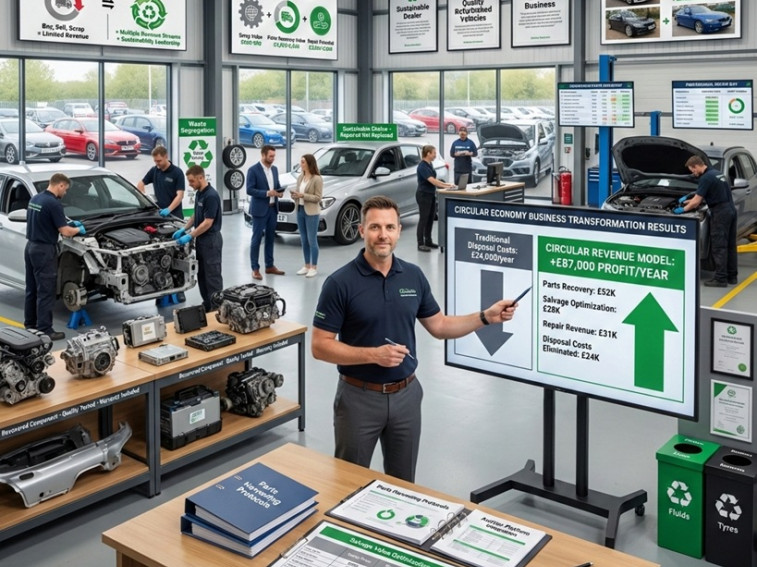
For today's motor trade professionals, embracing the principles of the circular economy is no longer optional; it's a strategic business necessity. The linear "take-make-dispose" model is inefficient and unsustainable in the face of resource scarcity and tightening environmental legislation. Dealers who focus on repairing, reusing, and recycling vehicles stand to gain a substantial competitive advantage. This approach transforms waste into value, underpinning the core philosophy of circular economy for dealers across the UK.
Moving Beyond the Linear Model
The automotive industry generates millions of tonnes of waste globally, ranging from scrap metal and plastics to oils and tyres. Dealers sit at a critical intersection where they can significantly influence whether a vehicle reaches a premature end or is efficiently repurposed. By viewing every vehicle, regardless of condition, as a collection of reusable assets, dealers can dramatically improve their resource management. This proactive mindset is essential for long-term viability in a market increasingly focused on environmental accountability and demonstrating eco practices for car dealers.
Maximising Resource Efficiency
Resource efficiency is the cornerstone of effective eco practices for car dealers. Instead of simply selling a damaged vehicle for a low price, a dealer can maximise its value by identifying components that can be salvaged and resold. This extends the operational life of valuable materials, delaying the need for resource-intensive new manufacturing. It also creates multiple revenue streams, moving beyond the traditional reliance on new and used car sales alone.
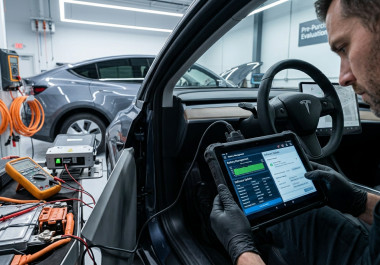
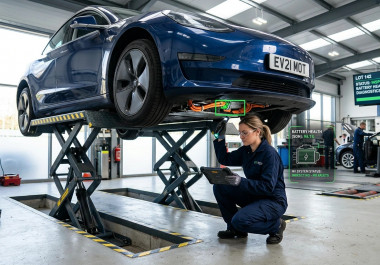
This shift involves systematically harvesting parts from non-repairable vehicles before they are crushed, such as engines, transmissions, and interior components. Dealers can source a continuous supply of these non-runners and buy non-runner vehicles for parts. Investing in the infrastructure to manage this component recovery process is an investment in future profitability.
Regulatory Compliance and Future-Proofing
The UK government continues to increase scrutiny on the automotive sector, particularly concerning End-of-Life Vehicles (ELVs). Regulations dictate strict targets for the reuse and recovery of materials from scrapped cars. Dealers must ensure their disposal partners are fully licensed and comply with these stringent requirements.
Adopting strong circular practices helps future-proof a business against inevitable policy changes, reducing regulatory risk and potential fines. Furthermore, businesses demonstrating commitment to sustainability often find it easier to secure contracts and attract environmentally conscious customers. Transparency about how old stock is handled builds trust, demonstrating that the dealer is a responsible partner in the transition to a greener economy when implementing circular economy for dealers strategies.
The Auction's Role in a Sustainable Future
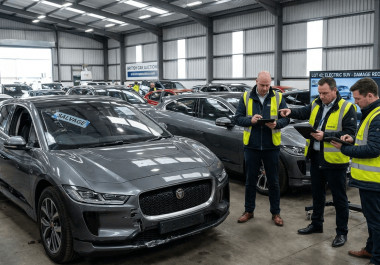
Vehicle auctions are not merely a disposal channel; they are the primary mechanism for activating the circular economy within the automotive industry. Platforms like RAW2K provide the marketplace where vehicles needing repair or dismantling are efficiently redistributed to specialist buyers through salvage vehicle auction catalogue. Without this crucial step, millions of roadworthy components would be wasted prematurely.
This function ensures that a damaged car in one region can find a buyer in another regional market who possesses the specific repair skills needed for that model. It's a dynamic, geographically dispersed system that ensures high-value vehicles are recovered and recycled responsibly. Auctions transform problematic inventory into liquid assets for sellers whilst providing affordable resources for buyers.
Valuing Salvage and Parts Harvesting
For professional dismantlers and mechanics, a salvage car is viewed as a catalogue of valuable, reusable parts rather than just a broken shell. This perspective drives competitive bidding on Category S and Category N vehicles. The auction environment allows dealers to quickly liquidate vehicles deemed uneconomical to repair, recouping a significant portion of their value instantly.
Take the example of a dealer who purchases a damaged luxury SUV solely for its complex electronic components. These parts, which are costly and rare when new, can be harvested, tested, and resold for a significant profit, far exceeding the scrap metal value of the vehicle body by buying Cat S cars for component harvesting. This process directly minimises the manufacturing footprint required for replacement parts. Dealers should always assess the salvage value before writing off any vehicle.
Extending the Vehicle Lifespan
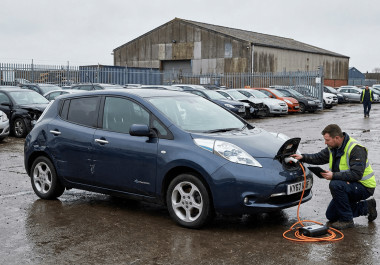
Many vehicles arriving at auction, especially those labelled as non-runners, are perfectly suitable for repair and continued use. This is particularly true for older vans and light commercial vehicles that simply need a replacement engine or gearbox. A repair-focused approach actively contributes to resource conservation by keeping existing vehicles on the road for longer. This practice drastically reduces the environmental burden associated with manufacturing new vehicles.
A key part of the circular economy is promoting longevity, and dealers who offer refurbished used vehicles or affordable motorcycles and scooters sourced from auctions champion this. By extending a vehicle's useful life from, say, 10 years to 15 years, the dealer contributes positively to eco practices for car dealers whilst satisfying the demand for affordable transport. This ensures that repairable assets are not scrapped, promoting genuine sustainability.
Practical Eco Practices for Car Dealers
Implementing circularity doesn't require a complete business overhaul; rather, it involves integrating sustainable choices into existing operations and partnerships. Dealers can start small by focusing on waste reduction and energy conservation before scaling up to more complex vehicle dismantling processes. Consistent application of these practices enhances a dealer's reputation and operating efficiency.
Key Strategies:
-
Establish a Dedicated Parts Recovery Protocol: Systematically identify and catalogue high-value, reusable components from End-of-Life Vehicles before final disposal.
-
Invest in Repair Over Replacement: Prioritise fixing minor structural or mechanical issues in salvage vehicles rather than immediately selling them for scrap.
-
Optimise Fleet and Transport: When collecting and transporting vehicles from regional locations, coordinate logistics carefully to minimise empty return journeys and fuel consumption. This includes planning efficient routes across long distances. For questions about the auction platform or your account, contact support.
-
Manage Consumables Responsibly: Ensure all fluids, batteries, and tyres are separated, stored, and recycled using certified, environmentally compliant contractors.
A dealer who traditionally scrapped all accident-damaged stock can implement a new parts recovery system. By successfully converting ten Category N vans into reusable engines, gearboxes, and panels, simple changes transform a disposal cost into a significant profit centre, fully embodying the concept of circular economy for dealers.
Building Trust and Driving Profitability
Adopting circular practices is a powerful differentiator in a crowded market, attracting customers who value social responsibility. Modern consumers, both private individuals and commercial fleet operators, are increasingly favouring businesses that demonstrate genuine environmental stewardship. This ethical positioning leads directly to greater brand loyalty and repeat business.
Consumer Demand for Green Initiatives
Today's buyers are willing to pay a premium for products and services they perceive as sustainable, or they actively seek out businesses that align with their ethical values. When a dealer publicly commits to vehicle recycling and reuse, it generates positive word-of-mouth and improves digital visibility. Dealers can leverage this commitment as a strong selling point, particularly when marketing refurbished used cars. By highlighting their use of sustainably sourced or recycled parts, dealers can stand out from competitors.
This focus on green operations strengthens the dealer's authority and trustworthiness within the community. This integration of ethical practice with operational excellence is key to modern success in demonstrating eco practices for car dealers.
Streamlining Operations with Platform Support
The efficient, high-volume marketplace supports the circular model by quickly connecting dealers with the specialist buyers and sellers they need. Whether a dealer is looking to offload non-repairable inventory for maximum salvage value or source low-cost salvage cars to harvest specific parts, the platform provides transparency and reach. The ability to trade seamlessly allows dealers to maintain lean inventory whilst contributing positively to sustainability goals.
By using auctions as a strategic partner, dealers can ensure that no usable vehicle asset goes to waste. Open an account today to participate in the UK's leading marketplace for dealers practising circular economy principles and start transforming waste into profit.