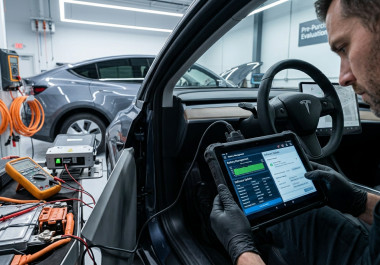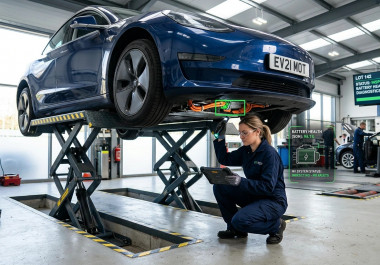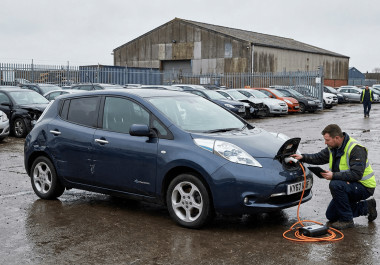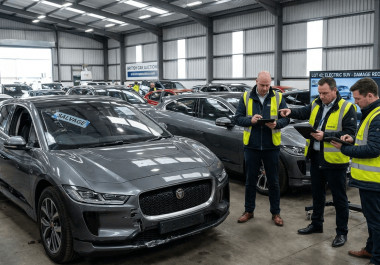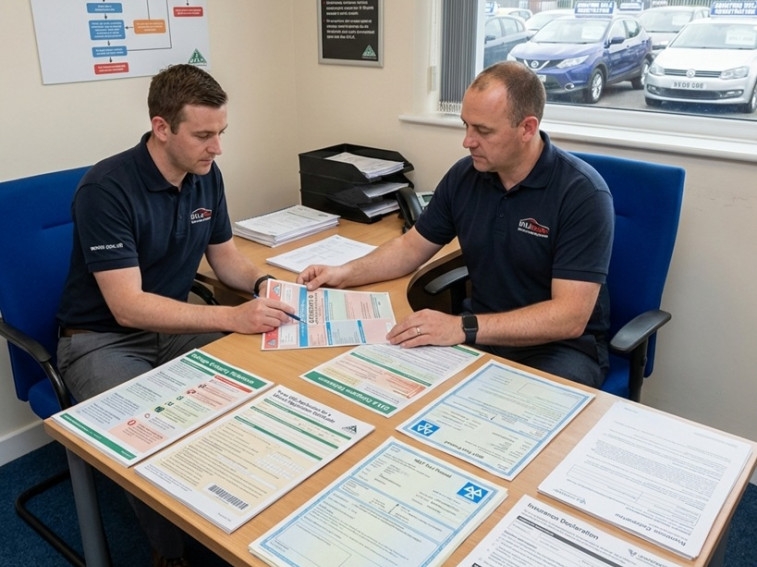
Buying damaged vehicles at auction can yield significant value, but navigating the process requires a deep understanding of the regulatory framework that governs these sales in the UK. The Driver and Vehicle Licensing Agency (DVLA) sets strict standards regarding which vehicles can return to the road and the paperwork required to validate ownership and roadworthiness. These regulations ensure safety for all road users whilst also providing a clear pathway for legitimate dealers and private buyers to acquire and repair salvaged stock. Failure to comply with these rules can result in penalties or the permanent refusal to re-register a vehicle.
Navigating the UK's Salvage Categorisation System
The four categories of insurance write-offs: A, B, S, and N, are defined by the Association of British Insurers (ABI) but their legal ramifications are enforced by the DVLA. Since the abolition of the Vehicle Identity Check (VIC) scheme in 2015, the focus has shifted entirely to the nature of the damage and the essential paperwork required. Understanding these distinctions is fundamental to making a smart investment through platforms like RAW2K, as the category dictates the legal future of the vehicle when sourcing from DVLA-registered vehicle auctions. This clear framework helps buyers assess the true cost of bringing a vehicle back into service.
Category A and B: The Non-Roadworthy Classifications
Category A (Scrap) represents the most severely damaged vehicles, often sustaining total crush damage. These vehicles must be crushed entirely, and no parts whatsoever can be legally salvaged or reused. The DVLA requires the immediate destruction of these vehicles at an Authorised Treatment Facility (ATF).
Category B (Break) vehicles have also suffered extensive damage, meaning the body shell or structural frame must be destroyed. However, unlike Category A, reusable, functional parts can be lawfully removed and sold for use on other vehicles. These donor parts must be stripped down, and the remaining body shell is required to be crushed, preventing the car from ever being re-registered.
Category S and N: The Repairable Opportunities
The repairable categories, Category S (Structural) and Category N (Non-Structural), are where the bulk of repairable stock is found. Vehicles in these two groups are deemed repairable, even though the cost of repair exceeded the insurance payout value. It's crucial for professional dealers and savvy individuals to grasp the subtle but important legal differences between these two labels. Understanding the precise Legal Rules for Salvage Cars saves time and prevents future complications with documentation.
Category S vehicles have sustained damage to the structural chassis or frame of the vehicle, which are critical to occupant safety in a crash. Conversely, Category N vehicles suffered damage only to non-structural elements, such as the body panels, electrics, or interior components when sourcing through DVLA-compliant salvage vehicle auctions. Both types can be repaired and returned to the road, provided all required safety checks are successfully completed. This applies across all vehicle types available through motorcycle salvage auctions as well.
The V5C Logbook and DVLA Registration Process
The Vehicle Registration Certificate, or V5C logbook, is the key legal document for any vehicle in the UK. The handling of this document changes significantly once a vehicle is declared an insurance write-off. Buyers of salvage vehicles must be aware of the exact procedure to apply for a replacement V5C to avoid delays in re-registering and taxing their newly repaired vehicle. This process confirms the new owner and records the vehicle's history permanently.
Mandatory V5C Handling for Category S Vehicles
When an insurer classifies a vehicle as Category S, they are legally required to notify the DVLA and destroy the original V5C logbook. This action ensures the vehicle cannot be easily resold until its salvage status is acknowledged and recorded. A buyer of a Cat S vehicle must apply directly to the DVLA for a replacement V5C using form V62. This replacement document is provided free of charge, but critically, it will contain a note indicating the vehicle's Cat S history.
The notation acts as a permanent record, informing all future buyers of the structural damage history. This part of the DVLA Salvage Rules Explained ensures transparency and maintains confidence in the used vehicle market. This permanent marker prevents any fraudulent attempts to conceal the vehicle's previous write-off status from the next owner.
Documentation for Category N Purchases
The process for Category N (Non-Structural) vehicles is generally simpler regarding paperwork. Insurers are not required to destroy the original V5C for Cat N vehicles, meaning the original document may often be transferred directly to the new buyer at auction. However, if the V5C is unavailable, the buyer will also need to apply to the DVLA for a replacement using the standard paid V62 form. The key difference is that the DVLA will issue the replacement V5C without a permanent annotation, as the damage was not structural.
Essential Legal Steps for Re-registering Salvage Cars
Whilst the DVLA permits the repair and re-registration of Category S and N vehicles, this permission is conditional upon strict compliance with roadworthiness standards. Before a vehicle can be taxed or insured, certain steps are legally mandated. These are the final hurdles to clear before a repaired vehicle is ready for the road.
Mandatory Repair and MOT Requirements
A written-off vehicle, regardless of its category, is immediately considered non-roadworthy and any existing MOT certificate is effectively voided. After carrying out all necessary repairs, which must restore the vehicle's safety integrity, the owner must subject the vehicle to a full, new MOT test. This test confirms the vehicle meets the minimum safety and environmental standards required for UK roads. Only with a valid MOT certificate can the DVLA permit the vehicle to be taxed and subsequently insured.
The quality of repair is paramount. For those looking to source repairable vehicles through Cat S and Cat N salvage platforms, the diversity of stock available means you can find everything from minor damage Cat N cars to more complex Cat S projects.
Insurance and Declaration Obligations
Every motor vehicle driven on public roads in the UK must be covered by a valid insurance policy. When seeking insurance for a repaired salvage car, you are legally obligated to disclose its Category S or N history to the insurance provider. Failure to declare this past write-off status is considered non-disclosure and can void your policy entirely, leaving you uninsured in the event of an accident.
Sourcing Compliant Stock: Connecting Rules to Opportunities
Understanding the DVLA Salvage Rules Explained allows you to accurately calculate the potential profit and necessary repair investment for any salvage vehicle. Whether you are seeking Cat N repair projects or dismantling parts from Cat B vehicles, the ability to source a consistent flow of compliant stock is key to business success.
Our auctions facilitate transparent and legally compliant sales across a wide range of stock. For large-scale operations or for sourcing specific vehicles, you can check where vehicles are located nationwide for efficient collection planning.
Trustworthiness is built on following the rules correctly every time. For questions about vehicle documentation or compliance, contact support. Ready to apply these legal compliance principles to your next purchase? Register with RAW2K today to start browsing our latest, fully categorised listings.