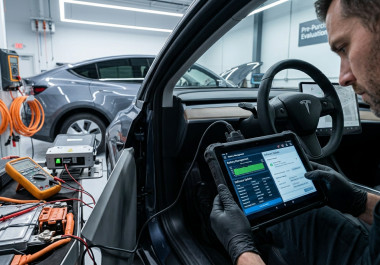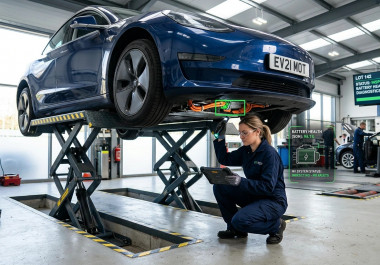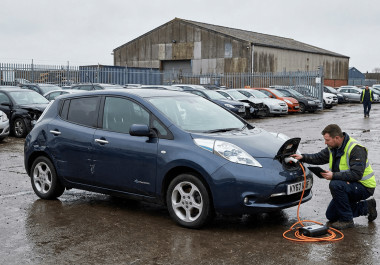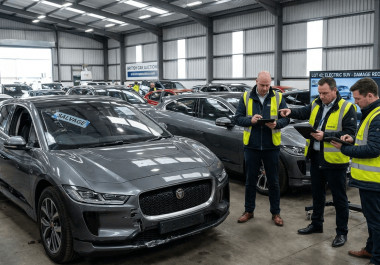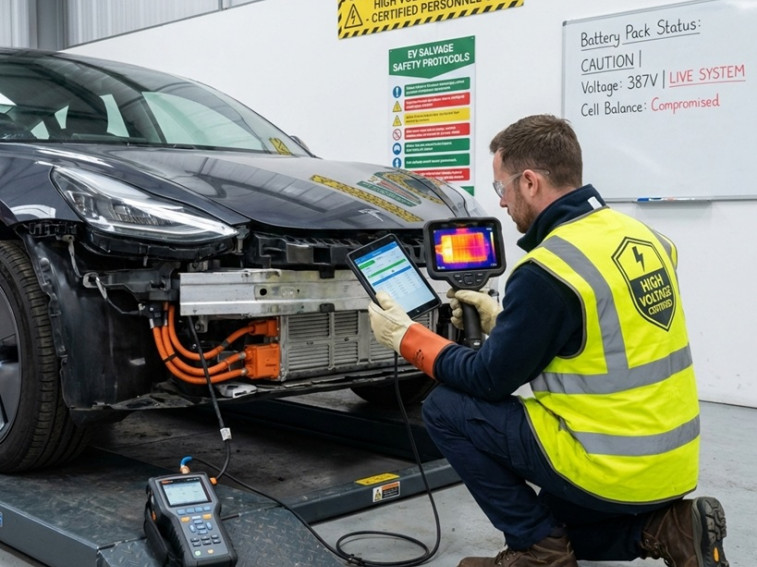
The increasing number of electric vehicles (EVs) and hybrids passing through auctions offers exciting new opportunities for both private project buyers and professional dealers. These high-tech machines, often available as salvage cars for sale, can represent significant value, but they introduce new risks that traditional petrol or diesel cars don't pose. Inspecting an EV or hybrid demands a different, more cautious approach. Knowing how to inspect electric salvage vehicles safely is paramount to protecting yourself and correctly assessing the vehicle's repair costs.
Why Electric Vehicle Inspection Requires Extra Caution
Electric and hybrid vehicles operate using complex, high-voltage battery systems that fundamentally change how buyers must approach assessment and repair. These systems typically run at several hundred volts, presenting a substantial safety risk if the components are damaged or compromised by water. Unlike standard cars, even a static, damaged EV can pose serious electrical hazards, making safety the number one priority during any evaluation through platforms like RAW2K. Understanding the core distinctions of these high-voltage platforms is the foundation of a safe inspection.
Understanding the High-Voltage Battery
The heart of any EV or hybrid is its battery pack, which is usually positioned low in the chassis for optimal weight distribution. This placement makes the battery susceptible to damage from underbody impacts, which might not be immediately obvious in external inspection photos. The battery is enclosed in a protective casing, but any breach can expose dangerous internal components to moisture or debris. Always assume the high-voltage system is live until proven otherwise, even if the car appears to be completely shut down.
Key Risks: Thermal Runaway and Water Damage
Two critical hazards unique to damaged EVs are thermal runaway and water intrusion. Thermal runaway is a chain reaction that causes the battery to overheat and set on fire, which can be difficult to extinguish and may occur long after the initial accident. Secondly, if the high-voltage battery unit has been submerged or exposed to significant water, the integrity of the insulation can be compromised, leading to a risk of electrocution. Auction listings usually provide clear information regarding fire or flood damage, and you must treat such lots with the utmost caution. This applies to both cars and electric motorcycles and scooters at auction.
Essential Inspection Protocols for Electric and Hybrid Salvage
When reviewing an EV or hybrid listing on the auction platform, your inspection strategy needs to be methodical and highly focused on the unique components. Simply looking at the bodywork and interior isn't enough to gauge the value or safety of the purchase. This is where professional knowledge of EV architecture becomes vital for making informed bidding decisions.
Checking the Service History and Damage Reports
The most crucial document for an electric salvage vehicle is the damage report, especially if it's listed as a Category S vehicles write-off. For EVs, the report must clearly detail the impact location and explicitly state whether the battery casing was compromised. Look for evidence of dealer or specialist service records that confirm routine checks on the battery health and cooling systems when sourcing through electric and hybrid salvage vehicle auctions. Without a transparent record, the risk associated with structural or electrical faults increases dramatically.
What to Look for During the Visual Inspection
During the digital inspection process, pay close attention to the provided high-resolution images of the vehicle's charging port, orange high-voltage cables, and undercarriage. The charging port should be intact, and there should be no visible damage to the chunky, usually orange, high-voltage cables running beneath the car. These cables are your warning sign; any crushing, fraying, or splitting indicates a severe safety hazard and potentially enormous repair costs. Scrutinise images of the interior for any signs of water ingress, particularly around the floor panels where internal battery connections might be routed.
Here are specific steps when conducting hybrid salvage car inspection protocols:
-
Examine Cooling Vents: Check all thermal management vents, usually located near the battery or under the bonnet, for damage or blockages
-
Cable Integrity: Look for the signature orange high-voltage cables and verify their connectors are secure and undamaged
-
Inverter Location: Locate the inverter (often near the motor) and inspect its housing for cracks or signs of overheating
-
Charging Port: Ensure the charge port area and flap are not fractured, as this can lead to water intrusion into the electrics
Key EV Inspection Tips for the Underbody
Underbody inspection is arguably the most important step for an electric salvage car, yet it's the hardest to achieve in a typical auction scenario. Since direct, physical access is limited, you must rely entirely on the high-quality photos provided in the listing when reviewing electric vehicle salvage stock online. Look for scrapes, dents, or punctures on the large, flat battery enclosure, which is often bolted directly to the vehicle floor. Even a minor scrape on the battery's protective shield can compromise the seals and lead to expensive faults down the line, affecting the vehicle's long-term viability through conducting EV battery checks for salvage cars.
Decoding the EV Salvage Categories
When bidding on an EV or hybrid through electric vehicle auction platforms, the traditional UK salvage codes (Category S, Category N, etc.) apply, but their meaning is amplified by the cost of replacement parts. A Category N designation, non-structural damage, on a petrol car might mean a new bumper; on an EV, it could still conceal damage to an expensive charging unit or control module. You need to approach the inspection with a focus on component cost, not just collision repair.
Focus on Battery Integrity for Repairable Lots
For repairable categories like Category S, the decision to bid hinges almost entirely on the battery and drivetrain health. The price of a new high-voltage battery can easily exceed the value of a non-salvage vehicle, making repair uneconomical. Therefore, when evaluating a salvage EV through buy electric salvage vehicles for battery assessment, you must obtain estimates for battery testing and, if necessary, replacement. This critical calculation ensures your auction bidding strategy remains financially sound and prevents you from overpaying for a project with an impossible budget.
Safe Handling and Transport Considerations
If your bid is successful and you secure an electric or hybrid vehicle, safe handling during collection is non-negotiable. Transparent policies for vehicle retrieval must be followed precisely, especially with salvage lots. Never attempt to manually move a heavily damaged EV, particularly if the battery housing is compromised or there is evidence of fire. Always arrange for specialist recovery services that have the proper equipment and training to handle high-voltage vehicles safely.
Transport professionals know how to identify and isolate the high-voltage system using the vehicle's designated battery disconnect points before loading it onto the recovery truck. Even during simple collection, you must maintain distance from the damaged area. This attention to detail ensures the smooth and safe transfer of your new asset when implementing electric vehicle auction inspection protocols. You can check vehicle locations for collection planning to coordinate your specialist transport accordingly.
Inspecting electric and hybrid salvage vehicles is a careful balance between seizing a great opportunity and acknowledging significant safety hazards. It takes discipline and knowledge to inspect electric salvage vehicles safely and correctly assess the total cost of ownership. By adhering to a rigorous visual check, prioritising battery integrity through hybrid salvage car inspection methods, and using EV battery checks for salvage cars, you position yourself for success.
For questions about the auction platform or specialist EV collection, contact support. Are you ready to apply these new safety checks and find your next high-value electric vehicle project? Browse the latest listings and register to start bidding on the future of motoring today.