Purchasing a vehicle through a platform offers incredible value, especially when securing a high-potential salvage car that requires refurbishment. However, the true value of that deal depends entirely on the quality and integrity of the subsequent repairs. For both private buyers and professional dealers, the most crucial phase is ensuring the vehicle is absolutely safe and compliant with UK road standards before use. Overlooking critical steps at this stage can lead to substantial financial losses or, worse, compromise occupant safety. This guide highlights the necessary caution required to ensure your auction vehicle is reliably restored.
The Imperative of Post-Auction Due Diligence
When you take possession of an auction vehicle, particularly one previously classified as salvage, the legal responsibility for its roadworthiness shifts entirely to you. You cannot simply repair damage cosmetically and assume the car is safe; a thorough and certified process is mandatory through platforms like RAW2K. Success in the auction market is defined not just by the winning bid but by the safe, certified return of the vehicle to service when sourcing from salvage auctions requiring post-repair certification. Proper inspection before auction is the first step, but post-repair verification is the last and most critical.
Neglecting the VOSA/MOT Re-Inspection
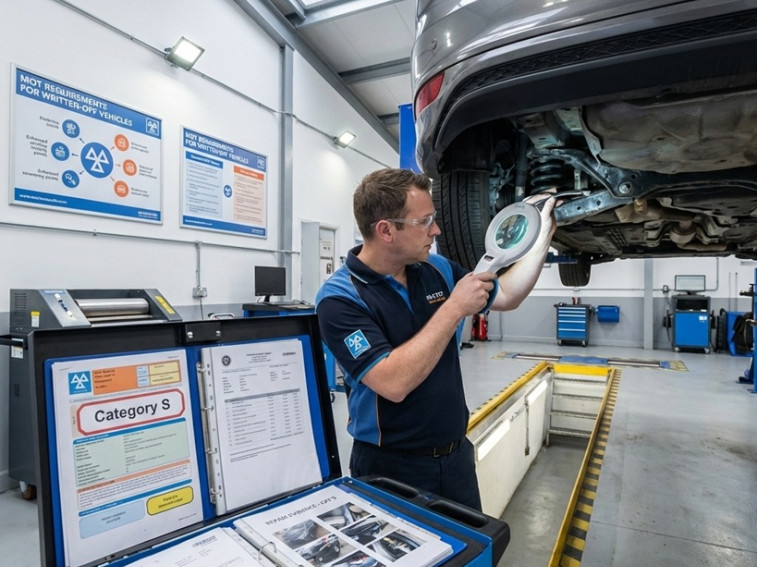
One of the most significant pitfalls is skipping or rushing the required inspections, particularly for Category S (Cat S) vehicles. Since Cat S cars have sustained structural damage, they require a meticulous and certified repair process. After all structural work is complete, the vehicle must pass a new MOT test to legally confirm its roadworthiness. Failing to submit documentation or using uncertified repairers to bypass these stringent checks represents major post-repair mistakes for salvage cars that buyers should never risk.
Overlooking Invisible Damage
Many of the most dangerous issues in collision-damaged cars are not visible to the naked eye, even after bodywork has been restored. Internal chassis warping, stress fractures in high-strength steel areas, or damage to suspension mounting points often remain hidden beneath new paint. When buyers try to avoid post-repair mistakes for salvage cars by focusing only on cosmetics, they leave potential disasters lurking underneath. A professional diagnostic assessment, ideally involving jig work and ultrasonic testing for Cat S vehicles, should be non-negotiable.
Critical Areas Where Buyers Often Go Wrong
The complexity of modern vehicles means that collision damage can extend far beyond simple body panels, affecting integrated safety systems and crucial mechanical components. Skimping on repairs in these areas is a false economy that puts lives at risk. Dealers sourcing inventory for resale must guarantee these key systems are flawless to maintain trust and legal compliance. Private buyers looking for reliable transport must be equally vigilant.
Compromised Airbag and Restraint Systems
The Supplemental Restraint System (SRS), which includes airbags, seat belt pretensioners, and control modules, is designed to deploy once and must be fully replaced after an accident. Attempting to fit cheap, second-hand, or incompatible SRS components is a serious safety oversight. Buyers must ensure that all deployment parts, crash sensors, and the main control module are brand new and correctly calibrated for the specific model when sourcing through salvage vehicle auctions requiring complete SRS replacement. Never compromise on the integrity of the system designed to save lives in a secondary collision.
Substandard Suspension and Steering Components
Even a minor impact can cause subtle misalignment in steering and suspension geometry. If the post-repair alignment is not professionally checked and corrected, it can lead to premature tyre wear, poor handling, and catastrophic failure at speed. This is one of the most common safety issues that stem from avoiding repair errors on auction vehicles when rushing the final stages of the process. Always demand documentation proving that a four-wheel alignment, ball joints, and track rods have been fully inspected or replaced following a repair. This applies to all vehicles including motorcycles requiring suspension checks.
Ensuring Financial and Paperwork Compliance
The cost of repair isn't just parts and labour; it also involves certification, which adds long-term resale value and legal protection. Without the correct paperwork, a well-repaired Cat S or Cat N car remains difficult to insure and sell. Buyers must budget for these administrative costs upfront when calculating their maximum bid. It's helpful to view the repair process like building a house; the structural integrity and official sign-off are just as vital as the visible finishes.
Failing to Verify Genuine Parts Usage
Whilst non-original equipment manufacturer (OEM) parts can save money, critical safety components should always be OEM or equivalent high-quality replacements. Buyers must specify and verify that high-stress parts, like brakes, suspension arms, and crumple zone components, are of certified quality through buy salvage cars with verified repair standards. Ask your repairer for receipts and confirmation of the parts used as part of implementing salvage car repair mistakes prevention strategies. Using cheaper, inferior steel or components that do not perform as intended during an impact is highly dangerous.
Ignoring Fluid and Sensor Reset Procedures
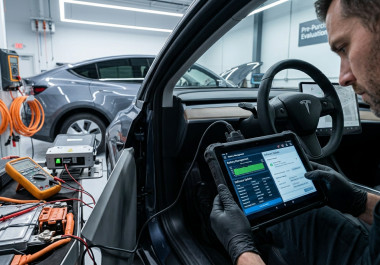
Modern cars rely heavily on complex electronic systems that must be reset following a collision or major mechanical repair. Ignoring error codes or failing to perform a full system diagnostic often leads to persistent issues with ABS, traction control, or advanced driver-assistance systems (ADAS). These systems are crucial for modern safety. For commercial vehicles and fleet buyers sourcing through salvage vehicle platforms with diagnostic reports, ensuring these electronic aids function perfectly is vital for driver well-being and business liability.
Case Study: Learning from Mistakes
A dealer regularly bids on damaged stock. They learned early that focusing solely on the engine and bodywork was costly. On one occasion, they purchased a car with perfect body repairs, but the crash sensors were merely taped up. They had to strip the interior, replace the entire SRS module, and recalibrate the system, adding £800 to the project. Now, they treat a comprehensive post-repair diagnostic scan as mandatory, knowing it saves money and reputation in the long run.
Protecting Your Investment on the Road
The goal of buying at auction is to secure a great car for a lower price, and safety must never be the compromise. By conducting thorough post-repair checks, verifying documentation, and using certified repair facilities, you transform a salvage opportunity into a reliable asset when avoiding repair errors on auction vehicles. This diligence applies equally to standard used cars and vehicles secured from auctions, where frame alignment is paramount.
Always ensure the repair costs are fully understood before you bid on any vehicle. You can view vehicle locations nationwide to plan collection logistics efficiently. Before accepting the vehicle from the repairer, perform a final, independent mechanical inspection. Check for fluid leaks, listen for unusual noises, and perform a brake test in a safe, controlled environment.
For questions about the repair process or necessary documentation for a Category S car, contact support. When you buy with informed caution and avoid post-repair mistakes for salvage cars, your auction success is guaranteed. Implement Cat S repair safety errors prevention strategies today. Sign up now to access expert guidance and comprehensive resources.