Salvage vehicles hold more value than most people realise. Strip away the damaged panels and you'll often find perfectly serviceable wheels, tyres that still have thousands of miles left, and suspension components that could serve another vehicle for years.
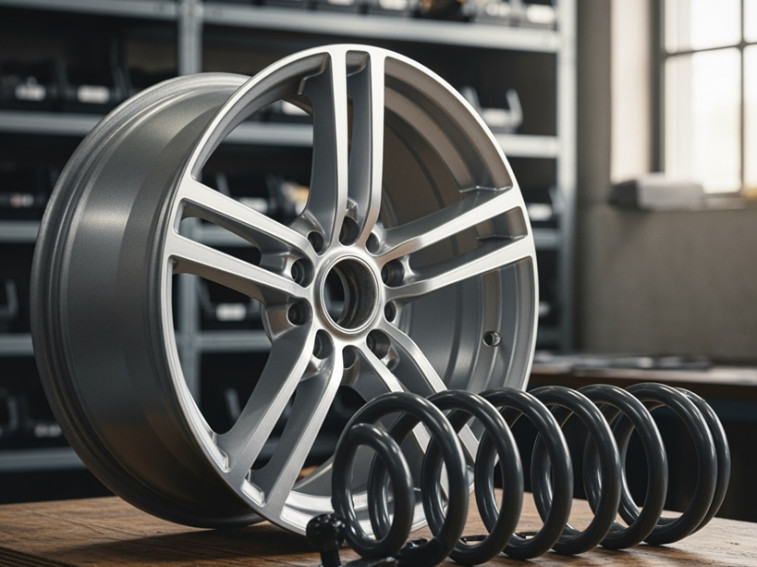
The wheels and suspension system represents one of the most profitable areas for parts harvesting. These components wear slowly, survive impacts that total a vehicle, and maintain resale value better than almost any other system. A decent set of alloy wheels can fetch £200-600, whilst quality coil-overs or performance suspension setups command premium prices in the aftermarket. Understanding which parts to harvest, how to assess their condition, and where they hold the most value separates profitable salvage operations from those leaving money on the table. Wheels and suspension deserve serious focus because the economics consistently reward systematic harvesting.
Why Wheels and Suspension Components Hold Their Value
Vehicle wheels, tyres, and suspension parts occupy a unique position in the salvage market. They're expensive to replace new, relatively easy to remove, and often emerge from accidents completely unscathed.
Consider a rear-end collision that writes off a three-year-old BMW. The front wheels, suspension arms, coil springs, and shock absorbers probably weren't touched. Those parts could be worth £800-1,200 as a set, yet they'll be crushed if no one harvests them.
Alloy wheels particularly hold value because they're both functional and aesthetic. Drivers want specific designs, finishes, and sizes that match their vehicle. Original equipment manufacturer (OEM) wheels from premium brands like Audi, Mercedes, or Range Rover can sell for 40-60% of their new price even after years of use.
Suspension components appeal to different buyers. Performance enthusiasts seek upgraded dampers and springs. Budget-conscious drivers need replacement parts at half the dealer price. Commercial operators running fleets need cost-effective solutions for keeping vans and trucks roadworthy.
The key advantage? These parts rarely suffer catastrophic failure. A blown engine is scrap. A damaged wheel can often be refurbished. A bent suspension arm on one side leaves three perfectly good ones.
What Makes Wheels Worth Harvesting
Not all wheels deserve your time. You need to evaluate several factors before deciding whether to harvest them from a salvage vehicle.
Material and construction matter most. Alloy wheels command higher prices than steel wheels in almost every scenario. Steel wheels from commercial vehicles or budget cars might fetch £20-40 each, whilst quality alloys can bring £50-150 per wheel depending on brand and condition.
Size and specification directly impact value. Common sizes like 16-18 inch wheels with standard bolt patterns have broader appeal. Niche sizes or unusual fitments limit your buyer pool but can attract premium prices from enthusiasts seeking specific applications.
Brand provenance adds significant value. OEM wheels from premium manufacturers consistently outsell aftermarket alternatives. A set of genuine BMW M Sport wheels will always command more than generic aftermarket replicas, even if the replicas look similar.
Check each wheel carefully for:
Cracks or stress fractures around the hub or spoke areas Buckles or bends in the rim that affect balance Kerb damage that's gone beyond cosmetic scratching Corrosion that's compromised structural integrity Missing or damaged centre caps and bolts
Minor cosmetic damage doesn't necessarily kill value. Many buyers expect to refurbish wheels anyway, and professional refurbishment costs £40-80 per wheel. A wheel worth £100 with light kerbing might still sell for £60-70 to someone planning refurbishment.
Assessing Tyre Condition and Remaining Value
Tyres represent consumable value. Unlike wheels, they have a finite lifespan measured in tread depth and age.
Legal minimum tread depth in the UK is 1.6mm across the central three-quarters of the tyre. Anything below 3mm has limited resale value because buyers know they're purchasing tyres near the end of their life. Focus on tyres with 4mm or more remaining tread.
Tyre age matters more than many people realise. Rubber degrades over time regardless of use. Check the DOT code on the sidewall - a four-digit number like "2319" means the tyre was manufactured in the 23rd week of 2019. Tyres over six years old have diminished value even with good tread.
Brand and specification create significant price variation. Premium brands like Michelin, Continental, and Pirelli hold value better than budget alternatives. Performance tyres, run-flats, and specialist applications command higher prices than standard touring tyres.
Look for these deal-breakers:
Sidewall damage including cuts, bulges, or exposed cords Uneven wear patterns suggesting alignment issues Repairs or plugs in the sidewall (centre repairs are acceptable) Cracking or perishing in the sidewall rubber Evidence of running flat causing internal damage
A matching set of four premium tyres with 5-6mm tread could be worth £200-400 depending on size and brand. Individual tyres have less appeal unless they're expensive sizes where even single replacements cost £150-200 new.
Suspension Components Worth Your Attention
The suspension system contains dozens of parts. Not all are worth harvesting, but several components consistently deliver good returns.
Shock absorbers and dampers top the list for value retention. Quality units from performance vehicles or premium brands can sell for £80-150 each. Adjustable coil-overs from modified vehicles sometimes exceed £500 for a set. Check for oil leaks, damaged mounting points, and bent piston rods before harvesting.
Coil springs and leaf springs have value if they're undamaged and match popular applications. Springs don't wear out like dampers, so good condition units can serve for decades. Lowering springs or uprated springs from performance vehicles command premium prices.
Control arms and suspension links are frequently damaged in accidents, but undamaged ones from the opposite side of the vehicle often remain perfect. These parts regularly fail through wear, creating steady demand. Ball joints, bushings, and mounting points must be in good condition.
Anti-roll bars (sway bars) from performance vehicles or upgraded aftermarket units have strong resale value. Standard bars from everyday vehicles have less appeal unless they're hard-to-find parts for older models.
Subframes and crossmembers represent larger components that require more effort to harvest but can be worth £150-300 for complex assemblies from premium vehicles.
I've seen salvage operators ignore suspension components because they seem like small-value parts. That's a mistake. A thorough harvest of wheels, tyres, and suspension from a single vehicle can easily yield £600-1,000 in parts value. Miss those components and you've left serious money behind.
How To Remove Wheels and Suspension Safely
Safety isn't optional when harvesting these components. Vehicles on salvage lots often sit in unstable positions, and suspension systems store energy that can cause injury if released improperly.
Secure the vehicle before starting work. Use proper axle stands rated for the vehicle's weight. Never rely solely on jacks - they can fail. If the vehicle is on a lift, ensure it's properly positioned and locked.
Release suspension load carefully. Coil springs under compression store significant energy. Use spring compressors when removing struts or MacPherson assemblies. Rushing this step has caused serious injuries.
Document bolt patterns and specifications as you work. Take photos of wheel fitment, note the PCD (pitch circle diameter), offset, and centre bore. This information is essential for selling wheels later.
Basic tools you'll need:
Impact wrench for wheel nuts and suspension bolts Spring compressors for strut assemblies Ball joint separator for control arm removal Torque wrench for documenting specifications Wire brush and penetrating oil for seized fasteners Proper safety equipment including gloves and eye protection
Mark components clearly as you remove them. Use paint markers to indicate which corner of the vehicle each part came from. This helps buyers understand the parts' history and assists with matching components.
What Buyers Want and Where To Sell
Understanding your market determines which components deserve harvesting time.
Performance enthusiasts seek upgraded suspension components, lightweight wheels, and quality tyres. They'll pay premium prices for parts from respected brands or genuine OEM performance packages. These buyers know exactly what they want and will travel for the right parts.
Budget-conscious repairs represent the largest market segment. Drivers facing expensive dealer quotes for replacement suspension arms, dampers, or wheels will gladly pay 40-60% of new prices for quality used parts with some warranty or return period.
Commercial operators running fleets need cost-effective solutions for keeping vehicles operational. They're less concerned with aesthetics and more focused on functionality and price. Steel wheels and standard suspension components from vans and trucks appeal to this market.
Restoration projects and classic car owners sometimes need specific wheels or suspension parts that are no longer manufactured. These niche applications can command surprising prices for the right components.
Selling platforms include:
eBay Motors for reaching the widest audience Facebook Marketplace for local sales avoiding shipping costs Specialist forums for performance and classic vehicle parts Salvage parts dealers who buy bulk components Trade buyers who supply repair shops
Price wheels and tyres as sets when possible. A matched set of four alloys will sell faster and for more total value than four individual wheels. Similarly, complete suspension corners (damper, spring, control arms, and links) appeal to buyers tackling comprehensive repairs.
Common Mistakes That Cost Money
Years in the salvage trade teaches you what works and what doesn't. These mistakes crop up repeatedly.
Harvesting damaged components wastes time. That slightly bent wheel won't sell, and the buyer who does purchase it will demand a refund. Be honest about condition and selective about what you harvest.
Ignoring cleaning and presentation costs sales. Wheels caked in brake dust and road grime look worse than they are. Spend 20 minutes cleaning components before listing them. Good photos of clean parts sell faster and command higher prices.
Mixing wheels from different vehicles creates problems. Buyers need matched sets with identical specifications. Four wheels that look similar but have different offsets or centre bores are nearly worthless together.
Failing to test suspension components leads to returns. Bounce test dampers before harvesting them. Check bushings for excessive wear or cracking. Verify ball joints have no play. Selling faulty parts damages your reputation and costs money in returns.
Undervaluing complete assemblies leaves money on the table. A complete coil-over assembly from a performance vehicle is worth more than the sum of its parts. Don't separate components that have more value together.
Skipping measurements and specifications frustrates buyers. Wheel offset, PCD, centre bore, and width are essential information. Suspension part numbers and fitment details help buyers confirm compatibility. Missing information kills sales.
Storage and Inventory Management
Wheels and suspension components need proper storage to maintain value and condition.
Store wheels vertically or stack them with cardboard between to prevent scratching. Horizontal storage saves space but risks damage to lower wheels from the weight above.
Keep tyres away from direct sunlight and ozone sources. UV exposure and ozone accelerate rubber degradation. Indoor storage extends tyre life significantly.
Protect machined surfaces from corrosion. Suspension components with exposed machined surfaces should be lightly oiled or wrapped. Corroded threads and mounting faces reduce value.
Organise inventory by vehicle make and type. Group BMW wheels together, separate van suspension from car components, and maintain clear labelling. Time spent searching for parts is time not spent selling them.
Track what you've invested in each set of components. Know your costs including harvest time, storage space, and any refurbishment. This prevents selling at a loss and helps identify your most profitable activities.
The Business Case for Wheels and Suspension Harvesting
Let's talk numbers. A typical salvage vehicle might yield these components:
Four alloy wheels in good condition: £240-480 Four tyres with 5mm tread: £120-200 Four dampers in working order: £160-320 Various suspension arms and links: £80-150
That's £600-1,150 in potential parts value from components that take 2-3 hours to harvest. Compare that with the effort required to remove and sell interior trim, electrical components, or body panels.
The maths become even more compelling with premium vehicles. A salvage BMW M3 or Audi S4 might have wheels worth £800-1,200 alone, plus performance suspension components commanding premium prices.
Capital requirements remain modest. Basic tools, storage space, and time represent your main investments. Unlike engine or gearbox sales requiring warranties and specialist knowledge, wheels and suspension parts have straightforward assessment criteria and lower return rates.
Market demand stays consistent. These components wear out, get damaged in accidents, and need replacement regardless of economic conditions. You're not relying on discretionary spending or niche enthusiast markets.
Explore opportunities across different vehicle types - browse car auctions for premium saloons with valuable wheel and suspension packages. Check for commercial vehicles where suspension components have strong trade demand.
Building Knowledge and Expertise
Success in parts harvesting comes from accumulated knowledge. You'll develop an eye for valuable components and learn which vehicles offer the best returns.
Study vehicle specifications to understand what you're looking at. Know which models came with upgraded suspension packages, which wheel designs are desirable, and which components interchange across model ranges.
Follow market prices on selling platforms. Track completed sales to understand realistic values. Notice which components sell quickly and which sit in listings for months.
Develop relationships with buyers. Regular customers who trust your quality assessment will pay premium prices and provide steady business. Trade buyers can take bulk components, reducing your storage and listing time.
Learn refurbishment economics. Understanding what professional refurbishment costs helps you evaluate which damaged components are worth harvesting for refurb and resale versus scrapping.
The RAW2K platform provides access to diverse salvage vehicles where you can apply this knowledge. Browse all vehicle categories to identify profitable opportunities for wheel and suspension harvesting.
Conclusion
Wheels, tyres, and suspension components represent one of the most accessible and profitable areas for salvage parts harvesting. These components survive accidents that total vehicles, maintain strong resale value, and appeal to diverse buyer markets from performance enthusiasts to budget-conscious repair shops.
Success requires selective harvesting based on condition assessment, proper removal techniques that maintain component value, and understanding market demand across different vehicle types and applications. A methodical approach to these systems can consistently yield £600-1,000+ per vehicle whilst requiring modest tool investment and straightforward technical knowledge.
The salvage industry rewards those who see value where others see scrap. Whilst many focus on engines and body panels, wheels and suspension often provide better returns with less complexity. Start with careful assessment, harvest selectively, present components professionally, and build knowledge through experience.
Whether you're considering entering the salvage parts business or looking to expand existing operations, wheels and suspension harvesting offers a proven path to profitability. The components are there, the market demand exists, and the skills are learnable. What you do with that opportunity is up to you.
For those ready to explore salvage vehicle opportunities, view all available vehicles in our auctions to identify premium harvesting opportunities. Need guidance on getting started or have questions about specific components? Contact our specialist team today for information about auction access and sourcing strategies. And to unlock access to our complete inventory of salvage vehicles, register with RAW2K.