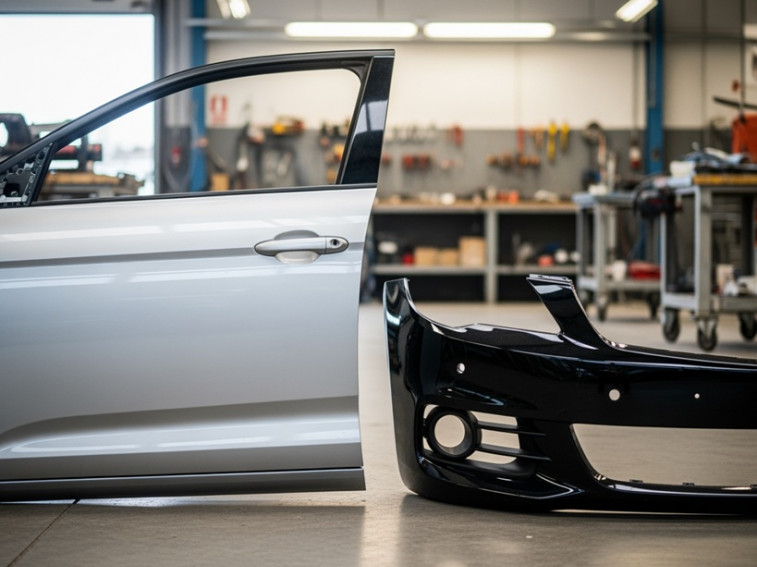
Every year, thousands of perfectly good body panels end up in scrap yards when they could easily fetch a tidy sum or save someone a fortune on repairs. Throughout the motor trade, professionals have observed countless vehicles sent to salvage with interior and exterior panels that appeared better than some showroom cars.
The truth is, body panels from salvage cars represent some of the best value in the vehicle recovery market. A front wing that cost £800 new from a dealer might sell for £150 at auction - still in pristine condition because the damage was at the rear. It's like finding designer clothes at charity shop prices, except these parts are often identical to what buyers pay full price for at a main dealer. Understanding which panels hold their value and why certain pieces are worth salvaging can transform how businesses approach salvage auctions. Whether operating a body shop looking to cut costs, restoring a classic, or exploring a salvage business opportunity, knowing the difference between bonnets and boots makes all the difference.
Why Body Panels From Salvage Vehicles Make Financial Sense
The economics are straightforward. When a car gets written off after a side impact, the opposite side panels remain factory-fresh. Insurance companies don't care about individual components - they calculate total loss based on repair costs versus vehicle value. That's the opportunity.
The Dealer Price Gap
A common example involves a BMW 3 Series written off after a rear-end shunt. The front bumper, bonnet, and both wings were immaculate. A buyer paid £2,400 for the whole car and sold those three body panels from salvage for £1,800 within a fortnight. The engine, interior, and wheels remained to shift.
Cost Savings and Quality
Salvage body panels typically cost 60-80% less than new OEM parts. Factor in that many are less than three years old with zero corrosion, and professionals are looking at components that'll outlast cheap aftermarket alternatives whilst costing half what a dealer charges.
Bonnets and Front Wings
These are the bread and butter of salvage body panels. Front wings get damaged constantly - car park scrapes, minor shunts, bollards that jump out of nowhere. Yet when a car's written off from rear or side damage, these panels often haven't got a scratch on them.
Bonnet Valuation
Bonnets are particularly valuable because they're visible, large, and expensive new. A bonnet for a common model like a Ford Focus retails around £350-450 from a dealer. At salvage, buyers might pay £80-120 for the same part. The weight and size make them awkward to store, which works in sellers' favour - inventory often prices these to shift quickly.
Front Wing Considerations
Front wings vary by vehicle type. Older cars have bolt-on wings that can be swapped in 20 minutes with basic tools. Newer models sometimes have welded wings, which limits the market but doesn't eliminate it - body shops still want them for repair work. Checking whether the wing is structural before bidding matters. The attachment method to the chassis usually indicates this.
Premium Brand Value
Wings from premium brands hold exceptional value. A genuine Audi or Mercedes wing might cost £600-800 new but fetch £200-300 at salvage. The quality difference between OEM and aftermarket is stark on premium vehicles - panel gaps, paint finish, and fit are noticeably better with original parts. Salvage car body panels from prestigious manufacturers command consistently strong prices.
Doors and Their Hidden Value
Doors are goldmines because they contain so much beyond the panel itself. Window mechanisms, electric motors, mirror assemblies, speakers, internal trim, and all mounting hardware comprise a complete door assembly from a three-year-old car - essentially new equipment.
Front Door Demand
Front doors are easier to sell than rears because they get damaged more frequently. Someone reverses into a post, clips another car whilst parking, or suffers a side swipe - suddenly a replacement door is needed. Supplying a colour-matched door with all electronics working saves buyers hundreds in parts and labour.
Rear Door Opportunities
Rear doors from five-door hatchbacks and estates move quickly too. Family cars take abuse - kids swinging doors open into walls, shopping trolleys, car park chaos. Buyers often prefer paying £150 for a salvage door rather than £600 for new, especially on older vehicles where repair costs approach the car's value.
Door Component Value
Key considerations with doors include checking the locking mechanism and window operation. A door with a broken regulator is worth less, though these issues can often be fixed cheaply and value added. Electric mirrors, especially heated and power-folding types, add £50-100 to the door's worth.
Tailgates, Bootlids, and Rear Panels
Tailgates from SUVs and hatchbacks are consistently strong sellers. They're large, complex assemblies that cost serious money new. A tailgate for a Range Rover Sport can exceed £1,500 from a dealer. At salvage, these might be secured for £300-400, complete with the wiper motor, heated glass, and trim.
Integrated Components
The rear wiper assembly alone is worth keeping. These fail regularly, and people will pay £40-60 for a working unit rather than buying new. The same applies to rear wash-wipe systems and any cameras or sensors integrated into the tailgate.
Bootlid Market
Bootlids from saloons are simpler but still valuable. They're prone to damage from minor rear-end collisions, and owners of older prestige cars often hunt for replacements. A bootlid from a 2015 BMW 5 Series might only cost £100 at auction but sells for £250-300 to those needing it.
Condition Assessment
Checking for rust around the number plate lights and lock mechanism is essential. Surface rust can be treated, but structural corrosion kills the value. Inspecting the seal channels matters too - replacements are cheap, but buyers prefer panels where they don't need to source additional parts.
Bumpers That Command Premium Prices
Modern bumpers are complex assemblies worth considerably more than their plastic appearance suggests. They house parking sensors, cameras, foglights, air intakes, and mounting brackets. A front bumper assembly for a Mercedes C-Class can cost £800-1,000 new. Salvage price? Often £150-250.
Performance Bumper Value
Front bumpers from prestige and performance cars hold the best value. Sports models with different styling, larger air intakes, or integrated spoilers are particularly sought-after. Buyers modifying standard cars to sports specification will pay good money for genuine manufacturer parts.
Sensor-Equipped Bumpers
Rear bumpers with integrated sensors and reversing cameras are increasingly valuable as these features become standard. A complete rear bumper with working sensors can fetch £200-300 for popular models. The sensors themselves are worth £30-50 each if breaking the bumper down.
Colour and Paint Quality
Colour matters less than many think. Most buyers plan to respray anyway, so they're after the correct shape and all mounting points intact. That said, common colours like black, silver, and white are easier to shift. Unusual shades might sit longer but can command higher prices from buyers seeking exact matches.
Paint quality tells stories about the car's history. Factory paint has a depth and consistency that resprays rarely match. If the bumper's been painted before, it suggests previous damage and reduces value. Checking the reverse side for overspray reveals previous painting.
Roof Panels and Sunroof Assemblies
Roof panels are specialist items, but when needed, they're truly essential. Hail damage, falling branches, or accidents with low bridges create demand. The challenge is that roof replacement requires significant labour, so buyers tend to be body shops rather than DIY enthusiasts.
Sunroof Assembly Value
Sunroof assemblies are different - they're genuinely valuable and relatively easy to sell. A complete electric sunroof with the glass, motor, frame, and drainage tubes might cost £600-900 new. At salvage, these could be purchased for £150-200 from a recent car.
Sunroof Testing Requirements
The key word is "working". Testing the mechanism if possible, or at least checking it moves freely by hand, is important. Sunroofs that stick or have damaged runners are worth far less. The glass should be crack-free and the seals intact. Replacement seals are available but add cost and hassle for the buyer.
Panoramic Glass Roofs
Panoramic glass roofs from premium SUVs and executive cars are particularly valuable. These massive glass assemblies can exceed £2,000 new. Even at salvage prices of £400-600, they represent excellent value for those repairing expensive vehicles. The weight and fragility make them tricky to handle, but that's reflected in the price.
Quarter Panels and Rear Wings
Quarter panels (the rear wing sections on unibody cars) are welded in place, which limits the market compared to bolt-on panels. However, they're still valuable to body shops that have the equipment to cut and weld replacements. A clean quarter panel saves hours of filler work and produces a stronger, better-looking repair.
Bolt-On Rear Wings
Cars with separate bolt-on rear wings (common on older vehicles and some trucks) are straightforward. These swap exactly like front wings and hold similar value. Checking for rust in the mounting areas and along the bottom edge where road spray causes corrosion is essential.
Critical Assessment Points
The area around the fuel filler is critical. Damage here complicates fitting and reduces value significantly. Similarly, checking the wheel arch for cracks or previous repair work is important. A panel that's been filled before isn't worth much - it's just passing someone else's problem along.
Classic Car Market
Classic car enthusiasts are excellent markets for older rear panels. Someone restoring a 1990s hot hatch will pay well for rust-free metal. These panels are no longer manufactured, so salvage is often the only source of genuine parts.
Determining Which Panels Are Worth Your Time
Not every panel from every salvage car is worth keeping. Assessment of condition, demand, and storage costs against potential return is necessary. Key evaluation criteria include:
Age Considerations
Age matters significantly. Panels from cars less than seven years old typically sell well because the vehicles are still common on roads and owners want quality repairs. Beyond ten years, territory enters classic or banger classification - either worth good money to enthusiasts or virtually worthless.
Colour and Demand
Colour affects salability but not as much as commonly thought. Common colours move faster, but rare colours command premiums from buyers needing exact matches. Black, silver, grey, white, and common blues are safe bets. Unusual shades might take longer to sell but can surprise with demand.
Brand Reputation Impact
Manufacturer reputation influences value dramatically. Panels from Toyota, Honda, BMW, Mercedes, and Audi hold value well. Buyers trust the quality and know these brands last. Panels from budget brands or manufacturers that have left the UK market are harder to shift.
Condition Standards
Panel condition is paramount. Minor scratches are acceptable - most buyers expect to respray. But dents, cracks, or structural damage kill value fast. Rust is the dealbreaker. Surface rust might be manageable, but once it's structural, the panel's worthless.
Storage and Handling Considerations
Proper storage protects investment and keeps panels saleable. Improper handling destroys value quickly.
Vertical Storage Method
Stacking panels vertically with cardboard or foam between them prevents warping, especially with bonnets and tailgates. Vertical storage also uses less floor space - critical for those working from domestic garages or small units.
Environmental Protection
Keeping panels dry and ventilated is essential. Damp causes rust faster than expected, particularly on older steel panels. If storing outside (not ideal but sometimes necessary), covering panels with breathable tarpaulin rather than plastic sheeting matters. Plastic traps moisture and creates perfect rust conditions.
Labelling System
Clear labelling matters significantly. When someone calls asking for a passenger door for a 2016 Vauxhall Astra in Sovereign Silver, quick location is necessary. Using waterproof tags with make, model, year, colour, and part details prevents hours of hunting through unlabelled stock.
Safe Handling Assessment
Considering weight and handling requirements before bidding is essential. A bonnet is manageable alone. A tailgate from a large SUV needs two people. Roof panels are awkward regardless of weight. If something can't be safely extracted and stored, it's not worth buying the whole car for that component.
Selling Panels Profitably
Having quality salvage body panels is one thing. Shifting them at a profit requires understanding markets and pricing correctly. Valuable stock sitting unsold for months usually indicates pricing too high or marketing poorly.
Online Marketplace Listings
Online marketplaces like eBay, Facebook Marketplace, and Gumtree are primary channels. Listing with clear photos from multiple angles, accurate descriptions, and measurements helps. Including the paint code if known helps buyers searching for specific colours locate listings more easily.
Competitive Pricing Strategy
Pricing competitively without undervaluing quality is important. Researching what similar panels actually sell for, not what people ask, matters. Completed listings show actual market value. Factoring in costs - purchase price, collection, storage, and time - then adding reasonable profit ensures sustainability. A 100% markup on low-value items or 40-50% on expensive panels is typical.
Trade Customer Development
Body shops are excellent customers for volume. Building relationships with local independents who do insurance work provides consistent opportunities. They need reliable suppliers of quality used parts. Offering fair trade prices and delivering when promised builds repeat business.
Home Breaking Economics
Breaking cars at home for panels requires space, tools, and time, but margins are excellent. One might pay £800 for a salvage car, pull £1,200 worth of panels in a weekend, and still have the engine and running gear to sell. It's labour-intensive but profitable if organised well.
Legal and Practical Considerations
Salvage body panels don't carry the same legal complexity as mechanical components, but operating properly is still necessary. Keeping records of panel sources - auction receipts, invoices, or documentation showing legitimate purchase - is essential.
Theft Prevention
Stolen vehicle parts are a real issue in the salvage industry. Buying panels from cars at legitimate auctions like those at RAW2K provides protection. Private purchases or buying from unknown sources carry risk. If police trace stolen parts to anyone, they'll seize them regardless of knowledge about origin.
Insurance Requirements
Insurance is worth considering if holding significant stock value. Garage insurance typically covers tools and equipment but not stock for resale. Specific trader's insurance might be needed depending on setup and volume.
Environmental Compliance
Environmental disposal of damaged panels that can't be sold is a responsibility. Most recycling centres accept scrap metal free, but some charge for plastic bumpers and composite panels. Factoring disposal costs into calculations when buying salvage cars is important.
Making the Most of Salvage Opportunities
The best opportunities come from understanding what's actually damaged versus what's written off for economic reasons. A car might be totalled because airbags deployed and repairs exceed book value, yet 90% of panels are perfect.
In-Person Auction Inspection
Visiting auctions in person when possible helps. Photos don't always show panel condition accurately, and inspecting fitment, checking for rust, and assessing paint quality in person is valuable. Exploring available vehicles with detailed condition reports and multiple photography angles helps identify opportunities.
High-Value Vehicle Targeting
Building knowledge about which vehicles have expensive panels matters. Premium brands, rare models, and anything with complex bumper assemblies or large glass areas are worth targeting. A write-off Porsche Cayenne might seem expensive at £5,000, but if pulling £8,000 worth of panels, it's a strong buy.
Seasonal Market Timing
Timing matters significantly. Demand for convertible roof mechanisms and panels peaks in spring when people prepare cars for summer. Four-wheel-drive vehicle panels sell better approaching winter. Understanding these cycles helps buyers time purchases right and hold stock for optimal selling periods.
Conclusion
Body panels from salvage cars represent one of the most accessible and profitable opportunities in the vehicle recovery industry. Unlike engines or gearboxes requiring mechanical knowledge and testing, panels are visual products where condition is immediately apparent.
The market is straightforward - people damage panels constantly and need replacements. Quality OEM parts at fraction of dealer prices provide genuine value. Whether supplying body shops, selling to DIY repairers, or building classic car part stocks, genuine money exists to be made.
Success comes from understanding which panels hold value, storing them properly, and building reliable sales channels. Starting small with common models and popular colours, then learning what sells in specific areas helps establish profitable operations. Understanding which vehicles come through vehicle auctions regularly is key.
The beauty of this business is that it scales according to space and capital available. One might start pulling panels from one car a month in a garage, or run a full breaking operation with multiple vehicles. Either way, fundamentals remain the same - buy quality salvage, extract valuable panels carefully, store them properly, and sell them at fair prices.
Those looking to explore salvage opportunities should register to access upcoming auctions and start identifying vehicles with valuable body panels. The knowledge gained about which panels matter and why they're worth keeping serves well. For specific questions about auction processes or vehicle conditions, please contact the team for expert guidance.
The salvage industry rewards those who see value where others see write-offs. Body panels are entry points into markets where knowledge, careful inspection, and proper handling translate directly into profit.