You've probably seen it happen - a car with what looks like a small dent or a cracked bumper suddenly gets declared a write-off by the insurance company. Meanwhile, your mate's motor looked like it'd been through a demolition derby and got repaired no problem. Doesn't make sense, does it?
After 30-odd years in the motor trade, I've watched this scenario play out hundreds of times. The truth is, whether a car gets written off has less to do with how bad it looks and more to do with cold, hard economics. Understanding why some vehicles with seemingly minor damage write-offs end up at RAW2K auctions instead of back on the road reveals the complex calculations insurers use every day.
The Economics Behind Insurance Write-Offs
Insurance companies aren't in the business of fixing cars. They're in the business of managing risk and cost. When your vehicle gets damaged, they run a simple calculation that determines its fate.
The Percentage Threshold That Decides Everything
Here's the thing most people don't realise: insurers use a percentage threshold to decide whether to repair or write off a vehicle. In the UK, if the repair costs exceed about 60-70% of the car's pre-accident value, it typically gets written off as an economic total loss. That's it. No emotion, no sentiment, just maths.
Let's say you're driving a five-year-old family hatchback worth £8,000. If the repair estimate comes in at £5,500, that's nearly 69% of the vehicle's value. Even though the damage might look relatively minor from the outside, the insurer will likely declare it a Category S write-off and send it to auction rather than foot the repair bill.
The Opportunity for Savvy Buyers
This is where things get interesting for savvy buyers. That same car might need £5,500 worth of repairs at main dealer rates, but someone with the right skills and access to parts could fix it for half that amount. These minor damage write-offs often represent excellent value at vehicle auctions for buyers who understand the economics.
Why Modern Cars Cost More to Repair
Walk around any car park today and you'll notice something: vehicles are absolutely packed with technology. That rear bumper isn't just a lump of plastic anymore. It's got parking sensors, maybe a camera, possibly even radar for collision avoidance systems.
Technology Drives Up Repair Costs
Modern vehicle complexity drives repair costs through the roof. Replacing a door mirror used to mean unbolting the old one and bolting on a new one. Ten minutes, job done. Now? That mirror contains heating elements, indicators, blind spot monitoring, automatic dimming, and it needs calibrating with diagnostic equipment. What used to be a £50 fix is now £400.
A Practical Example of Hidden Costs
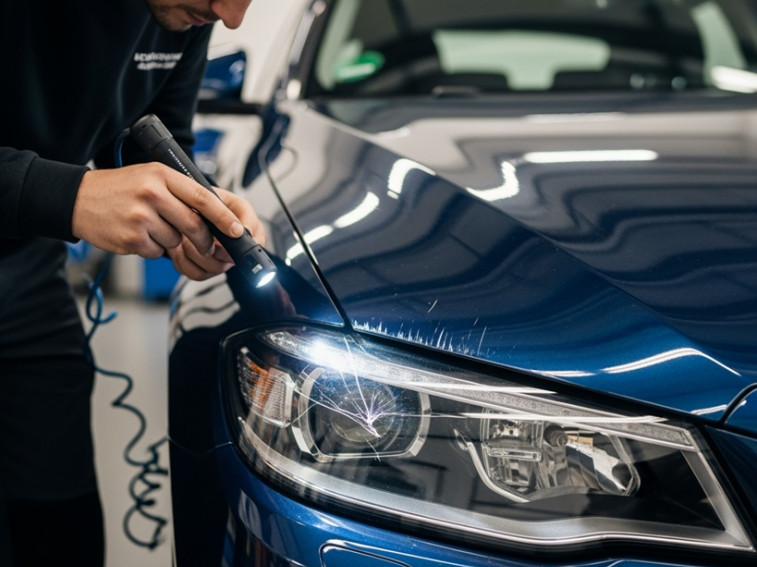
A nearly-new BMW came through with damage to the front wing and headlight. Looked straightforward enough. But that headlight was an adaptive LED unit worth £1,800 on its own. The wing had sensors embedded in it. The front bumper needed replacing because it housed the radar unit. Total bill? Over £6,000 for what appeared to be minor front-end damage.
The car was worth £18,000, so the repair cost was about 33% of its value. Normally safe territory. But factor in hire car costs, paint matching issues, and the diminished value after repair, and suddenly writing it off as an economic total loss made more financial sense to the insurer.
The Category System Explained
Not all write-offs are created equal. The insurance write-off categories tell you exactly why a vehicle was written off and what you can legally do with it.
Category A and B: Non-Repairable Vehicles
Category A means the car is only fit for scrap. It's been completely destroyed and can't be repaired under any circumstances. You won't find these at auction because they must be crushed.
Category B vehicles have severe structural damage. The body shell must be destroyed, though some parts can be salvaged and sold. Again, these can't go back on the road.
Category S: Structural Damage That's Repairable
Category S write-offs (formerly Category C) indicate structural damage that's economically repairable. The chassis, frame, or structural components were affected, but the car can be fixed and put back on the road after passing inspection. This is where you'll find many minor damage write-offs available at car auctions that had seemingly minor accidents but affected structural components.
Category N: Non-Structural Damage
Category N (formerly Category D) means non-structural damage. The engine, electrics, brakes, or bodywork might be damaged, but the structure is sound. These are often the best value for buyers who know what they're doing. Category N write-offs often represent excellent opportunities because the vehicle structure remains intact even if cosmetic or mechanical work is needed.
What catches people out: A car can be Category N even if it looks perfect. Maybe it had electrical fire damage that required replacing multiple control modules. Or perhaps it was stolen and recovered, but the insurer had already paid out.
The Age Factor Nobody Talks About
Vehicle age plays a massive role in write-off decisions, and this is where things get a bit mad. A three-year-old car and a ten-year-old car could have identical damage, but only one gets written off.
How Depreciation Affects Write-Off Decisions
Why? Depreciation hits cars hard in their first few years, then levels off. That ten-year-old motor might only be worth £2,000, so any repair over £1,400 will likely see it written off. Meanwhile, the three-year-old version worth £15,000 can sustain £10,000 of damage and still get repaired.
Perfectly Good Older Vehicles Get Scrapped
Some perfectly good older vehicles get written off for daft reasons. A seven-year-old diesel estate, a brilliant workhorse of a car, was written off because a deer strike damaged the bonnet, grille, and one headlight. Total repair cost at a garage? £1,800. Car's value? £2,500. Economic total loss.
The owner was gutted because the car ran beautifully and had been perfectly maintained. But the numbers didn't work for the insurer. That vehicle ended up at auction, where someone with sense bought it for £800, spent £600 on parts from a breaker's yard, and had it back on the road for £1,400 total.
Parts Availability and Labour Costs
The cost of repairing a vehicle varies wildly depending on what needs fixing and who's doing the work. Insurance companies get repair quotes from approved body shops that use manufacturer-approved parts and charge main dealer labour rates.
Labour Rates Drive Up Total Costs
Those labour rates? Often £80-120 per hour. And that's before you factor in paint shop time, which can be even more expensive because of the equipment and environmental controls needed for modern water-based paints.
Premium Parts Create More Write-Offs
Parts prices can be absolutely mental for certain vehicles. Prestige brands are the worst offenders. A front bumper for a basic hatchback might cost £150. The same component for a premium German saloon? Try £800. And that's before painting.
Then there's the waiting time. If a part needs ordering from Germany or Japan, the hire car costs start racking up. Insurers factor all of this into their calculations. Sometimes it's cheaper to write off a car than to keep someone in a hire vehicle for three weeks while waiting for parts.
Why Severity Doesn't Always Match the Decision
This is why vehicles with minor damage sometimes end up at auction while apparently worse-looking ones get repaired. It's not about the severity of the damage. It's about the cost and time to fix it versus the vehicle's value. These economic total loss decisions often surprise people who judge purely by visible damage.
The Hidden Damage Problem
Something that catches out inexperienced buyers at salvage auctions: damage you can't see. A car might look like it only needs a new door and a bit of paint, but there could be hidden structural damage lurking underneath.
Crumple Zones and Invisible Damage
Modern vehicles are designed with crumple zones that absorb impact energy. That's brilliant for keeping you safe in a crash, but it means damage can spread further than you'd expect. A seemingly minor side impact might have bent the floor pan or tweaked the suspension mounting points.
Checking Beyond the Obvious
Always look beyond the obvious damage when browsing featured auctions. Check the gaps between panels. Look for paint overspray on rubber seals or plastic trim. Open and close all the doors. If they don't shut properly, something's bent that you can't see.
The Water Damage Threat
Water damage is another sneaky one. A car that's been through a flood might look fine once it's dried out and cleaned up. But the electronics? They're on borrowed time. Corrosion will spread through the wiring looms, and you'll be chasing electrical gremlins for years.
This is why some vehicles with apparently minor damage get written off. The assessor knows there's more wrong than meets the eye, and the repair costs will spiral once they start digging into it.
Insurance Assessment Process
When you make a claim, the insurance company sends an engineer or assessor to inspect the damage. This person's job is to estimate repair costs and decide whether fixing the vehicle makes economic sense.
The Assessor's Calculation Method
The assessor looks at visible damage, estimates labour hours, prices up parts, and factors in things like hire car costs and storage fees. They're working to a formula, and they've seen thousands of damaged vehicles. They know when a repair is going to be straightforward and when it's going to turn into a money pit.
Mid-Repair Write-Off Decisions
Sometimes they'll authorise initial repairs, then more damage gets discovered once the car's stripped down. At that point, they might revise their decision and write it off mid-repair. Cars at body shops have been halfway through repairs when the insurer pulled the plug.
Safety Considerations
The assessor also considers safety implications. If there's any chance the structural integrity has been compromised, they'll err on the side of caution and write it off. They don't want the liability of putting a potentially unsafe vehicle back on the road.
This is why you'll occasionally see vehicles at auction that look barely damaged. The assessor spotted something. A crease in the wrong place, a measurement that's out of spec. Something that suggested deeper problems.
Market Value Fluctuations
The used car market is constantly shifting, and this really affects write-off decisions. A vehicle's pre-accident value gets determined by current market prices, and those can change dramatically based on economic conditions, fuel prices, or even the time of year.
Pandemic-Era Value Changes
During the pandemic, used car values shot up because of new car shortages. Suddenly, vehicles that would normally have been written off were getting repaired because their market value had increased. The same damage that would've totalled a car in 2019 didn't write it off in 2021.
Diesel Depreciation Impact
The opposite happens too. When the market's flooded with a particular model, values drop. That means more of them get written off for relatively minor damage because their pre-accident value is lower.
Diesel vehicles have taken a hammering in recent years because of changing emissions regulations and clean air zones. A diesel car that would've been worth £8,000 five years ago might only fetch £5,000 now. Lower value means lower write-off threshold.
Why This Matters for Auction Buyers
Understanding why cars get written off is crucial if you're thinking about buying from salvage auctions. Not all write-offs are bad deals. Far from it. Some of the best value vehicles are Category N write-offs with minor cosmetic damage.
Knowing What You're Looking At
The key is knowing what you're looking at. A car written off because it's old and the repair costs didn't stack up economically? That could be a brilliant buy if you can fix it yourself or know a good independent garage. You might pick up a perfectly serviceable vehicle for a fraction of its pre-accident value.
Do Your Homework Before Bidding
But you need to do your homework. Check the write-off category. Look at the photos carefully. If possible, inspect the vehicle in person before bidding. And always factor in the cost of getting it back on the road, including the VIC check (if required) and any remedial work.
Learning the Market
People make absolute fortunes buying written-off cars, repairing them sensibly, and either using them themselves or selling them on. Others get their fingers burned by buying vehicles with hidden damage or underestimating repair costs.
If you're serious about buying a salvage vehicle, register and start watching auctions before you bid. Get a feel for what different categories of damage typically sell for. Learn to spot the good deals from the money pits.
The Future of Write-Offs
Looking ahead, we're going to see more vehicles written off for what seems like minor damage. Why? Electric vehicles and increasingly complex technology.
Electric Vehicle Battery Concerns
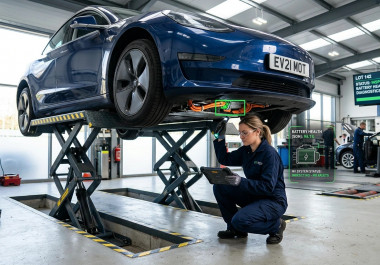
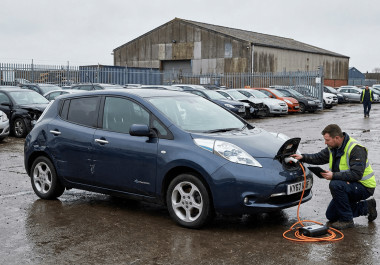
EVs have expensive battery packs that can cost £10,000-15,000 to replace. If there's any suspicion of battery damage, even from a relatively minor accident, insurers will likely write off the vehicle rather than risk the liability. They can't take chances with battery fires or degraded performance.
Advanced Driver Assistance Systems
The same goes for all the advanced driver assistance systems modern cars are packed with. Those systems need calibrating after repairs, which requires expensive diagnostic equipment and trained technicians. More cost, more complexity, more write-offs.
Opportunities for Skilled Buyers
Paradoxically, this might make salvage auctions even more attractive for certain buyers. If you've got the skills and equipment to work on modern vehicles, or you're looking for a parts donor for another vehicle, these write-offs represent genuine value.
Making Sense of It All
The write-off system isn't perfect, but it makes sense when you understand the economics behind it. Insurance companies aren't trying to be difficult. They're just following the numbers.
Opportunities in the System
This creates opportunities for potential buyers. Cars get written off for all sorts of reasons, and many of them are perfectly repairable if you've got the skills, tools, and knowledge to tackle the work.
The vehicles you'll find at auctions aren't all basket cases. Many are decent motors that fell foul of the repair-cost-versus-value calculation. Some just need cosmetic work. Others might need more substantial repairs but are still economically viable projects for the right buyer.
Going in With Your Eyes Open
The important thing is going in with your eyes open. Understand what write-off category means. Research typical repair costs for the type of damage you're looking at. Factor in all the hidden costs: transport, storage, parts, labour, and getting the vehicle back through its MOT.
And if you're not confident assessing damage yourself, bring someone who is. A good mechanic or body shop specialist can spot problems you'd miss and give you a realistic idea of repair costs. It might cost you a few quid for their time, but it could save you thousands in the long run.
Smart Buying Decisions
The salvage auction market isn't for everyone, but for those who know what they're doing, it's a way to get excellent value vehicles that just needed the right person to see past the insurance company's calculations. Whether you're looking for a project, a parts donor, or a repairable daily driver, understanding why cars get written off helps you make smarter buying decisions.
If you've got questions about specific vehicles or categories, contact us. We're always happy to help buyers make informed decisions. After all, a smart buyer is a repeat customer, and that's good for everyone.