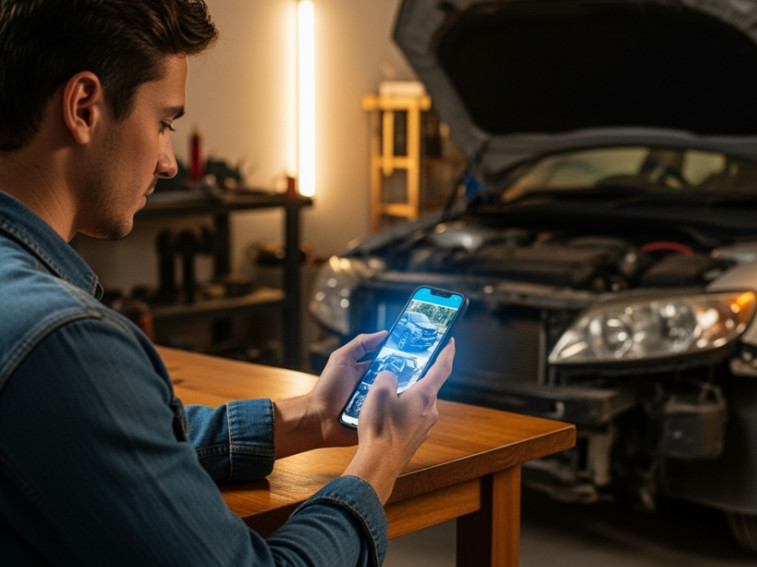
More collective wisdom exists within dedicated digital groups than in a decade of printed trade magazines. The most valuable tips do not arrive through glossy brochures. They come directly from operators who rebuilt a Category S vehicle in their own workshop and are willing to share the specific lessons they learned.
The UK automotive scene has successfully transitioned online. For trade buyers seeking their next acquisition or DIY enthusiasts hunting for a challenging project, dedicated communities exist to facilitate that process. However, not all social media salvage groups provide equal value. Certain spaces serve as gold mines for practical mechanical advice, while others consist entirely of speculative debates among inexperienced browsers.
Understanding how to navigate these digital networks is essential. Accessing inventory through online platforms connects buyers with thousands of damaged and seized vehicles, but practical education occurs within these online salvage community platforms where individuals document their successes, failures, and technical solutions.
The Value of Digital Automotive Communities
Digital garages function as the primary space where buyers source answers that standard search engines simply cannot provide. They offer direct access to individuals who actively perform the work.
Collective experience prevents costly mistakes. Industry observations consistently highlight scenarios where buyers post listing photos for community review before placing a bid. Within hours, multiple members frequently spot subtle suspension damage or chassis misalignment that the original photography cleverly obscured. This level of rapid, collective scrutiny surpasses any individual research capability.
These platforms offer instantaneous current information. Markets shift rapidly, insurance categories evolve, and parts pricing fluctuates based on global economic conditions. Advice regarding specific repair costs from three years ago holds zero relevance today. Active groups provide immediate intelligence regarding current market conditions.
Trade buyers approach these online salvage community platforms differently than hobbyists. Professionals monitor the feeds for shifting market trends, bulk acquisition opportunities, and early indicators of which specific models are attracting heavy competition. Conversely, the DIY demographic seeks step-by-step rebuilding guidance and moral support when simple repairs transition into extensive undertakings.
Dominant Platforms for Broad Salvage Discussions
Facebook currently dominates the broader UK community landscape. The platform's image-sharing capabilities make it perfectly suited for displaying damage assessments, documenting rebuilding progress, and analysing auction screenshots.
The UK Salvage and Damaged Cars community operates with massive reach and strict administrative oversight. The moderation team maintains high standards by removing members who attempt to push dangerous repair advice or questionable sales tactics. Professional traders participate alongside complete beginners to create a highly functional verification culture. Before committing capital, members post potential acquisitions for review. The resulting responses from mechanics, body shop owners, and brand specialists act as an initial layer of pre-purchase inspection.
The Category C and D Enthusiasts network caters heavily to project car builders. Members document complete rebuild threads detailing exact costs, required timescales, and objective assessments regarding the project's overall viability. This transparency proves invaluable for newcomers attempting to calculate accurate repair margins.
Users participating in these broad social media salvage groups must manage notification settings carefully. Valuable insights regarding wholesale pricing strategies or specific manufacturer faults frequently generate dozens of responses instantly, only to become buried under new posts by the following morning.
The Rise of Regional Knowledge Hubs
National platforms provide excellent broad knowledge, but regional groups offer highly specific logistical advantages and local market intelligence.
Sourcing Category S vehicles in different geographic areas presents entirely different commercial challenges. Local transport costs, regional breaker yard availability, and specific weather conditions directly impact overall profitability. Garage owners frequently conduct their salvage inventory sourcing entirely through these local connections. A member might post an unfinished project, resulting in a fair local transaction that benefits both parties. This efficiency simply cannot occur within a national group of fifty thousand members dispersed across the country.
Regional networks mix trade professionals and public members effectively to create exceptional parts-sourcing ecosystems. Buyers targeting inventory through car auctions south west networks rely heavily on these local groups to locate specific replacement panels without incurring massive freight charges. Furthermore, these regional hubs highlight stark pricing variations, revealing exactly why a specific vehicle commands a higher premium in one territory compared to another.
Specialist Ecosystems for Motorcycles and Commercials
The two-wheeled market operates on entirely different principles. UK motorcycle groups attract highly specialised enthusiasts who understand that a dropped sportbike might display severe cosmetic destruction while retaining a mechanically flawless engine.
Experienced riders scrutinise listing photos with forensic precision. They hunt for subtle indicators of frame damage or bent forks that render a bike completely unrideable. When monitoring salvage motorcycle auctions for repairable stock, buyers rely heavily on these specialist communities to source expensive fairings and tanks from local breakers at a fraction of retail cost, making the rebuild financially viable.
Commercial vehicle communities cater to a strictly trade-focused membership. These groups consist of garage owners, mobile mechanics, and fleet operators who require functional transport at sensible prices. Discussions rapidly become highly technical, covering engine swaps and commercial regulations that standard car buyers never encounter.
The financial stakes remain significantly higher in the commercial sector. Work vehicles must generate revenue rather than sitting in a garage as a weekend hobby. Buyers monitoring seized cars auction inventory utilise these groups to determine precisely which models justify rebuilding and which represent bottomless financial drains.
Private Networks and Direct Messaging Channels
The most sophisticated operators rarely broadcast their premium insights to public audiences. They rely on private messaging groups with trusted contacts to execute high-level auction intelligence sharing.
These exclusive WhatsApp groups typically form organically over time. Buyers meet at physical collection yards, exchange contact details, and gradually build closed networks to share instantaneous market movements. The intelligence quality within these circles far exceeds anything found on public feeds. Gaining entry requires demonstrating consistent value, whether through mechanical expertise or deep market knowledge.
Subscription-based Telegram channels operate similarly but offer enhanced media handling and stricter privacy protocols. Leading buyers occasionally run channels detailing specific vehicles worth monitoring, complete with projected repair costs and damage assessments. For operators sourcing premium stock from car auctions in the northeast and similar dense markets, these private channels filter out casual browsers and deliver highly concentrated commercial data.
Professional Etiquette and Information Extraction
Individuals frequently join social media salvage groups and immediately post vague requests for advice without providing any context or demonstrating basic preliminary research. This approach guarantees failure.
Extracting value requires doing the homework first. Buyers must check current market pricing, research common model faults, and understand basic category definitions before posting. When requesting a vehicle assessment, members must include clear photos, list their intended use for the vehicle, and state their available mechanical skill level.
Community relationship building relies heavily on reciprocity. Members must contribute before attempting to extract value. Answering queries, sharing completed project updates, and providing honest reviews of specific tools establishes credibility. Drive-by questioners rarely receive the detailed assistance reserved for established community participants.
Maintaining strict security protocols remains non-negotiable. While these communities provide excellent networking opportunities, buyers must exercise extreme caution. Sending funds based solely on a group recommendation without independent verification often leads to financial loss. When an acquisition proves completely unviable during the repair process, consulting an official scrap car collection service guarantees secure, legally compliant disposal without the risks associated with unregulated private buyers.
Emerging Trends in Digital Vehicle Assessment
The landscape of online salvage community platforms continues to evolve alongside broader technological shifts. Short-form video platforms have emerged as unexpected hubs for mechanical content, with operators documenting complex rebuilds visually. While excellent for demonstrating repair processes, these platforms lack the infrastructure for detailed technical debates.
Dedicated server platforms like Discord are gaining traction, offering highly structured voice and text channels. These environments allow members to organise discussions by specific vehicle manufacturer or damage type, providing a much cleaner archiving system than traditional social media feeds.
Despite these technological shifts, the core value proposition remains absolutely unchanged: experienced professionals helping newcomers avoid catastrophic financial errors through shared community relationship building.
Conclusion
The digital communities surrounding the UK automotive sector provide spaces where trade professionals and dedicated amateurs pool their expertise to elevate the industry standard. These networks function as essential educational resources that prevent expensive miscalculations and streamline the entire rebuilding process.
From massive public groups verifying listing photos to selective private channels executing precise auction intelligence sharing, a community exists for every specific operational requirement. Success depends entirely on finding the appropriate platform, contributing valuable insights, and treating the collective knowledge as a supplementary tool alongside strict independent verification.
If you require assistance navigating your digital account or setting up your profile, please don't hesitate to contact us directly through the support channel.
To begin executing your salvage inventory sourcing strategy across a nationwide network of daily listings, register to bid on the RAW2K platform today.