The moments following a severe vehicle collision are often filled with adrenaline, stress, and a looming, frustrating question: What is my car actually worth now? For many drivers facing a sudden total loss, the subsequent wait for their insurance payout calculations feels like entering an opaque, confusing maze. However, the process determining a vehicle's fate is not based on guesswork. Instead, it relies on a highly complex, data-driven evaluation. Assessors and independent engineers are tasked with determining exactly when a vehicle becomes economically unviable to repair, moving it directly into the salvage sector. Grasping the nuances of salvage vehicle valuation provides essential clarity for both drivers seeking a fair settlement and automotive trade professionals sourcing damaged stock. By exploring the strict categorisation rules and market data that influence these final figures, participants can better anticipate outcomes and make highly informed financial decisions.
The Core Principles of Salvage Vehicle Valuation
The methodology behind salvage vehicle valuation relies on balancing the logistical cost of necessary repairs against the inherent worth of the motorcar prior to the incident. Insurance assessors do not rely on basic visual assumptions. They utilise sophisticated software and vast market databases to generate accurate, data-driven figures. This structured approach prevents disputes and ensures that financial settlements remain fair and entirely consistent across the industry. The primary objective is to calculate the precise point at which repairing the vehicle becomes a poor financial decision. When the numbers indicate that restoration is unfeasible, the vehicle transitions into the salvage ecosystem, creating lucrative opportunities for specialist buyers and automotive recyclers to acquire components or undertake their own repair projects.
Understanding the Pre-Accident Value
The absolute foundation of accurate insurance payout calculations begins with establishing the pre-accident value. Assessors must look closely at the retail automotive market to determine the exact price the motorcar would have achieved if it were sold immediately before the damage occurred. They take into account a multitude of highly specific factors. These factors include the age of the vehicle, the recorded mileage, the comprehensiveness of the service history, and the overall condition of the interior and exterior. Additionally, if the car features premium factory specifications, rare trim levels, or expensive aftermarket modifications that were declared on the policy, these elements actively enhance the pre-accident value. Establishing this baseline is a mandatory step, as it sets the maximum potential liability for the underwriter.
Factoring in Detailed Repair Cost Estimates
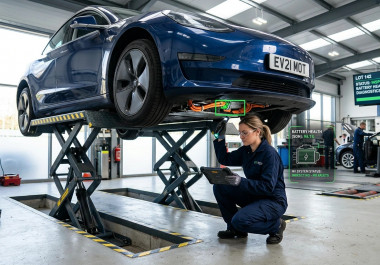
Once the financial baseline is firmly set, assessors must commission highly detailed repair cost estimates. These comprehensive assessments calculate the current price of replacement manufacturer parts, the required professional labour hours, and the paintwork materials necessary to restore the vehicle to a completely roadworthy and safe state. Assessors must use approved repair centres to gather these figures, ensuring the quotes reflect genuine market rates. When these repair cost estimates exceed a specific percentage of the pre-accident value, the vehicle is typically deemed an economic write-off. This threshold varies between different underwriters but generally sits between sixty and seventy percent. Accurate repair cost estimates ensure that the final settlement reflects the true logistical cost of restoration versus the financial logic of simply writing the vehicle off entirely.
The Impact of Structural and Non-Structural Damage
The physical condition of the vehicle following the incident heavily dictates its future path through the industry. Assessors must carefully separate vehicles with severe structural compromise from those with superficial damage. Structural damage often involves the chassis or the core safety frame of the vehicle. Repairing these elements requires highly specialised equipment and carries significant safety implications, which drastically increases the projected costs. Conversely, non-structural damage might include crushed panels, broken glass, or damaged suspension components. While the vehicle remains unroadworthy in its current state, the underlying safety cell remains completely intact. Recognising this distinction is vital, as it directly determines the salvage category assigned to the motorcar and influences the subsequent salvage vehicle valuation when the unit is eventually sold to the trade sector.
How the Category N Classification Works
Following a definitive write-off decision, the vehicle is assigned an official, industry-standard salvage label by the Association of British Insurers. A Category N classification is specifically applied when a vehicle sustains non-structural damage but remains completely uneconomical to repair using brand-new components at approved garage rates. Vehicles carrying a Category N classification are highly sought after by trade professionals and independent mechanics. Because the core frame is unaffected, these vehicles often require only cosmetic replacements or straightforward mechanical fixes to return to the road. Understanding the fundamental difference between a heavily damaged Category S unit and a Category N classification is vital for anyone engaging with the salvage market. These specific labels heavily influence the final price at regional salvage auctions and dictate the exact level of investment required for restoration.
The Mechanics of Insurance Payout Calculations
The actual mathematics behind insurance payout calculations involves a clear sequence of strict deductions and adjustments. Once the initial value of the vehicle is agreed upon, the underwriter subtracts any excess stated in the policy documentation. If the policyholder decides they do not wish to keep the damaged vehicle, the insurer will process the financial settlement and take full ownership of the salvage unit. The insurer then forwards the vehicle to specialist salvage vehicle auctions to recover a portion of their financial loss. The precision of these payout evaluations is strictly monitored by industry regulators to ensure that policyholders are not left out of pocket and that the settlement accurately reflects the true market conditions present at the time of the collision.
Applying the Salvage Deduction
In certain circumstances, a policyholder may choose to retain ownership of their damaged vehicle to repair it privately or break it down for spare parts. When this occurs, the insurer applies a specific salvage deduction to the final settlement figure. This deduction represents the estimated financial amount the insurer would have successfully recovered by selling the damaged car at auction. Achieving a highly accurate salvage vehicle valuation is crucial during this phase, as it ensures the deduction applied to the policyholder is fair and justifiable. For policyholders eventually choosing to dispose of the retained shell responsibly, securing an accurate scrap car valuation helps guarantee maximum material recovery from authorised treatment facilities.
Why Market Fluctuations Affect Salvage Prices
The value of damaged vehicles is not static within the industry. It fluctuates based on broader economic trends and specific automotive market demands. For example, if a particular vehicle model experiences a sudden national shortage of replacement parts, the value of a salvage unit containing those parts will naturally increase. Professional dismantlers monitoring salvage cars for sale often adapt their bidding strategies based on these very trends, specifically targeting models with high-demand engines, gearboxes, or electronic modules. When assessors conduct a salvage vehicle valuation, they must remain acutely aware of these shifting dynamics, as market conditions dictate the underlying worth of the metal and components.
Operating Within the System Effectively
Whether you are a policyholder experiencing a total loss or a professional buyer sourcing inventory, understanding this structured ecosystem is highly beneficial. Policyholders should always research their vehicle's retail worth independently to ensure the initial figures offered are completely accurate. For trade buyers, mastering the ability to project restoration costs against auction purchase prices is the ultimate key to maintaining profitability. By taking the time to understand exactly how underwriters calculate these repair figures, buyers can identify lucrative opportunities by browsing local inventory before the wider market reacts. If you are new to the sector, reviewing a comprehensive salvage auction FAQ is a sensible first step toward understanding the platform's bidding mechanics confidently.
Maximising Returns Through Salvage Vehicle Auctions
For insurers, fleet operators, and trade professionals, disposing of written-off stock efficiently and transparently is a top priority. This requirement is exactly where professional salvage vehicle auctions become an invaluable operational resource. Dedicated platforms like RAW2K provide a streamlined, highly regulated marketplace for both trade and public buyers to source repairable automotive stock safely and legally. This expansive network caters to specialist automotive niches, ensuring consistent availability for professionals seeking genuine donor parts or winter restoration projects.
Conclusion
Grasping the intricacies of the valuation process empowers buyers, sellers, and trade professionals to make highly informed financial decisions. From assessing the initial baseline worth to understanding the final deductions, every single step requires precision, transparency, and deep industry knowledge. By thoroughly understanding the classification systems and repair metrics, participants can operate within this sector highly effectively and capitalise on available stock. To access thousands of repairable vehicles and premium damaged inventory from across the UK, register to bid on the RAW2K platform today.