Buying salvage vehicles at auction can be a financially rewarding decision, but it carries risks. Even the most experienced bidders can occasionally discover hidden defects or undisclosed damage after collection that was not apparent in the listing photos or description. In these situations, knowing your legal rights and the correct steps to take is critical for protecting your investment and resolving disputes effectively. Understanding Legal Rights for Car Buyers helps you navigate both the caveat emptor principle and available arbitration processes. Whether you are dealing with mechanical issues or structural concerns, understanding these principles is essential for every professional and private buyer.
Understanding the Principle of Caveat Emptor
In vehicle auctions, the Latin principle of caveat emptor, meaning "buyer beware," is the cornerstone of transactional law. This principle places the responsibility firmly on the buyer to conduct thorough due diligence before placing a bid. Auction houses provide detailed listings with images, descriptions, and condition reports, but ultimately, it is your duty to interpret this information accurately and bid accordingly. This is not a criticism of the auction system but rather a reminder that informed decision-making is a professional obligation. Reputable platforms like RAW2K Vehicle Auctions ensure maximum transparency in their listings, providing high-quality photographs from multiple angles and comprehensive condition reports to support your inspection process.
The Buyer's Inspection Responsibility
Before committing to a purchase, you have the opportunity to inspect the listing details carefully. Photographs of the vehicle's exterior, interior, and known damage points are supplied to help you assess the vehicle's true condition. For vehicles in categories like Cat N or Cat S, the damage is clearly stated, along with photographic evidence. However, it remains your responsibility to scrutinize these materials to avoid surprises upon collection. Always ask yourself: "What questions do the photos not answer?" If doubt exists, it is better to pass on the lot or seek further clarification from the auction house before the bidding closes.
When Undisclosed Damage Becomes a Legal Matter
While caveat emptor protects sellers from subjective buyer's remorse, it does not shield them from fraudulent misrepresentation or significant omissions. If you discover damage that was deliberately concealed, incorrectly categorised, or fundamentally misrepresented in the listing, you may have grounds for a legitimate complaint. These situations are rare, but when they occur, they must be addressed through the auction house's formal dispute resolution process.
Examples of Misdescription
Misdescription occurs when the auction listing fails to accurately reflect the vehicle's actual condition. For instance, if a vehicle is listed as Cat N (non-structural damage) but is later found to have significant chassis damage that should classify it as Cat S (structural damage), this is a clear misdescription. Similarly, if critical mechanical failures, such as a seized engine or a damaged gearbox, are not disclosed despite being identifiable pre-auction, the buyer has a valid claim. These are objective failures in the listing's accuracy, not subjective differences in interpretation.
The Arbitration Process: Your Path to Resolution
Reputable auction platforms, including those offering transparent vehicle auction services, provide a structured arbitration process to handle disputes over vehicle condition fairly. This process is designed to protect both buyers and sellers by offering an impartial review of the claim and the evidence presented by both parties. Understanding how arbitration works ensures you can navigate it effectively if needed.
Step 1: Initial Complaint Submission
The first step is to notify the auction house immediately upon discovering the undisclosed damage. This notification must be made within a specific timeframe, typically within 24 to 48 hours of vehicle collection, depending on the platform's terms and conditions. When submitting your complaint, provide detailed photographic evidence of the damage and a clear explanation of how it differs from the listing description. The more comprehensive and objective your evidence, the stronger your case for arbitration.
Step 2: Evidence Review and Investigation
Once your complaint is lodged, the auction house will review your evidence alongside the original listing details. They may request an independent vehicle inspection to verify your claims objectively. This inspection may involve a qualified mechanic or a specialist assessor, depending on the nature of the damage. The seller will also be given an opportunity to provide their side of the case, including any evidence that the damage was disclosed or was not present at the time of listing. This balanced approach ensures fairness throughout the process.
Step 3: Arbitration Decision and Outcomes
Following the investigation, the auction house will issue a formal arbitration decision. If the arbitration finds in your favour, potential remedies include:
-
Partial refund: A financial settlement reflecting the cost of repairs or the reduction in the vehicle's value.
-
Full refund and return: The vehicle is returned to the seller, and you receive a complete refund of the purchase price.
-
Repair compensation: The auction house or seller covers the cost of rectifying the undisclosed damage.
If the arbitration does not find in your favour, the decision will be explained clearly, and you retain ownership of the vehicle. For vehicles with extensive damage that make repair uneconomical, you may choose to obtain a scrap quote to recover some value. Most arbitration decisions are final and binding unless exceptional circumstances apply.
Preventative Measures: Avoiding Issues Before They Arise
The most effective way to handle undisclosed damage is to prevent it from happening in the first place. By adopting a proactive approach to the auction process, you can significantly reduce the likelihood of unpleasant surprises after collection.
Conducting a Pre-Bid Assessment
Before placing any bid, examine the listing as though you were the inspector. Review every photograph in detail, zooming in on areas of known damage and looking for inconsistencies in paint, panel alignment, or trim. Pay close attention to the condition report and note any caveats or disclaimers included by the seller. If the listing states "sold as seen" or "no warranty," this reinforces the caveat emptor principle and means you are accepting the vehicle in its current state, regardless of hidden issues.
For buyers seeking vehicles with verified provenance and detailed documentation, browsing platforms that showcase salvage inventory with transparent photography can reduce the risk of misdescription claims. Choosing auctions with a proven track record of accuracy and integrity helps protect your business reputation and financial interests.
Post-Auction Inspection Protocols
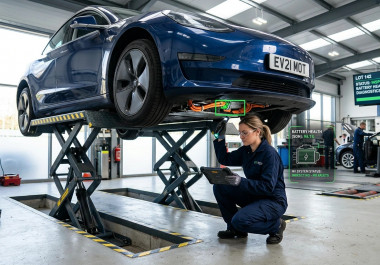
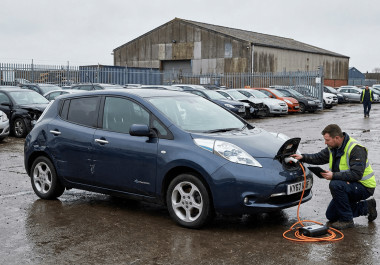
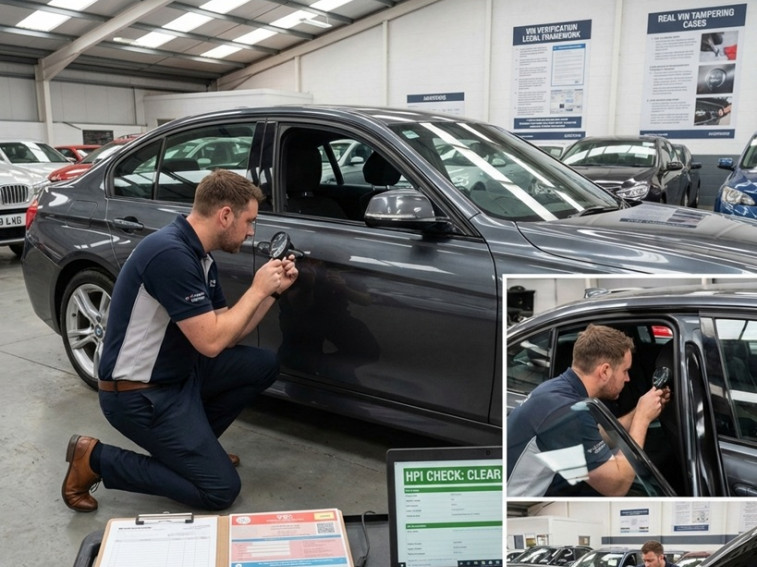
As soon as you collect the vehicle, conduct a thorough physical inspection before moving it off-site. Understanding post-auction inspection protocols and your Legal Rights for Car Buyers ensures you identify discrepancies quickly. Check for discrepancies between the listing and the actual vehicle, including:
-
Structural damage: Frame bends, welding marks, or rust that was not disclosed.
-
Mechanical faults: Engine warning lights, unusual noises, or fluid leaks.
-
VIN and documentation: Ensure the VIN on the vehicle matches the listing and registration documents.
Document everything with timestamped photographs and notes. If you identify a problem, do not attempt repairs or modifications before raising your complaint, as this could undermine your arbitration claim. Keep the vehicle in the condition you collected it to preserve misdescription claim evidence for review.
Navigating Disputes with Professionalism
Handling undisclosed damage disputes requires a balance of assertiveness and professionalism. Auction houses value repeat customers and aim to maintain a fair marketplace, so approaching disputes calmly and factually will yield better outcomes than aggressive or emotional complaints.
Maintaining Evidence Standards
Strong evidence is the foundation of any successful arbitration claim. This means:
-
High-quality photographs: Clear, well-lit images from multiple angles showing the damage.
-
Detailed notes: Written descriptions of the issue, including measurements or technical details where relevant.
-
Comparisons to the listing: Side-by-side images showing discrepancies between the listing photos and the vehicle's actual condition.
Organised, professional evidence demonstrates that your claim is genuine and helps the arbitration team make an informed decision quickly.
Respecting the Process
Trust in the arbitration process and provide all requested information promptly. Avoid public complaints or negative reviews until the process is complete, as this can damage professional relationships and reduce goodwill. Most auction houses operate with integrity and want to resolve issues amicably. Patience and cooperation will serve you better than confrontation.
Building Long-Term Success in Salvage Auctions
Even if you encounter an issue with one vehicle, do not let it deter you from participating in future auctions. Salvage vehicle auctions remain one of the most cost-effective ways to source stock for repair, resale, or parts across all vehicle types, from cars to motorcycles and quad bikes. By learning from each transaction and refining your inspection techniques, you become a more skilled and confident bidder over time.
For buyers ready to re-enter the market with renewed confidence, platforms like RAW2K offer a wide selection of professionally categorised vehicles. Whether you are sourcing stock for a dealership, a repair workshop, or personal use, starting your bidding journey with transparent auction providers ensures you have access to reliable listings and fair dispute resolution processes. Thousands of professional buyers trust RAW2K as their primary source for salvage vehicles because of the platform's commitment to accuracy, transparency, and customer support.
Undisclosed damage claims are rare, but when they arise, they can be resolved effectively through proper procedures and professional conduct. By understanding your rights under the caveat emptor principle, following the correct arbitration process, and adopting rigorous pre-bid inspection practices, you protect your investment and maintain a positive relationship with your chosen auction platform.
If you have questions, you can contact customer support. The key is to approach every transaction with diligence, patience, and professionalism.