Successfully buying a vehicle at auction, particularly a higher-value used car or a category-listed model, hinges on making informed decisions. While the platform provides incredibly detailed photographs and comprehensive descriptions, bringing in an independent expert offers an unparalleled layer of security. An expert assessment clarifies the true mechanical and structural condition of any vehicle, translating potential repair risks into manageable, calculable costs. Understanding what an independent vehicle inspection for auctions entails is the ultimate tool for setting your maximum bid and ensuring you achieve genuine value from the auction process.
Why an Independent Inspection is Your Best Auction Tool
Auction listings, whether for routine used stock or complex salvage vehicles, present a unique set of variables that require professional scrutiny. Unlike buying from a forecourt where a warranty might be available, auction purchases are typically sold as seen. For this reason, commissioning salvage car inspection services acts as your insurance policy against unexpected, costly issues. The check transforms the uncertainty of a project vehicle into a calculated investment with known factors.
The independent report serves as a detailed roadmap for any necessary repairs or refurbishment after securing a bid. It provides transparent evidence of the vehicle's actual state, which is invaluable for both private and trade buyers. This step is particularly vital when dealing with Category S or Category N vehicles, where damage is a documented fact of the car's history. The report allows you to adjust your budget accurately and move forward with confidence.
Peace of Mind for Private Buyers
For a private individual seeking an affordable second car or a project vehicle, the complexity of a damaged model can be daunting. Relying solely on pictures might lead to overlooking critical mechanical flaws that quickly erode any savings made at the auction. An inspection eliminates this anxiety by providing a definitive answer on the car's roadworthiness and repair requirements through comprehensive pre-bid vehicle assessment. It ensures your purchase is a manageable project, not a financial black hole. Investing a small amount in an independent check can save thousands in unforeseen repairs later down the line.
Value Confirmation for Professional Dealers
Professional dealers require speed and certainty when turning auction stock around for resale. Time spent diagnosing hidden issues is profit lost. A pre-auction inspection confirms the initial assessment and validates the potential resale price. When sourcing various types of inventory through comprehensive salvage vehicle auction catalogues, an independent report streamlines the repair workflow. This professional validation ensures swift turnover and maintains the reputation of your business.
Comprehensive Components of an Independent Inspection
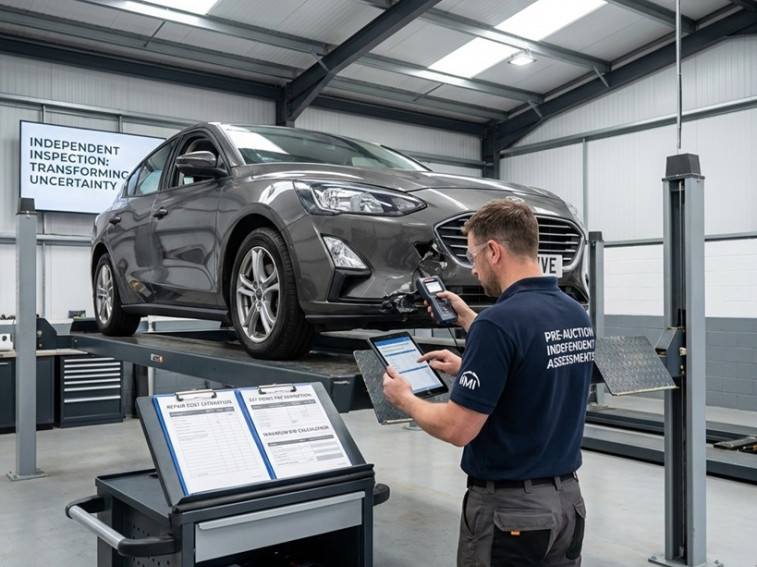
A thorough independent vehicle inspection for auctions goes far beyond kicking the tyres or checking the mileage; it is a meticulous, multi-point survey of the entire vehicle. These inspections are typically carried out by certified mechanics or engineers who follow standardised industry checklists through platforms like RAW2K. The core objective is to uncover issues that are not visible in static photographs or mentioned in the basic vehicle description. Understanding the scope of this detailed review prepares you to interpret the final report accurately.
Structural Integrity and Chassis Assessment
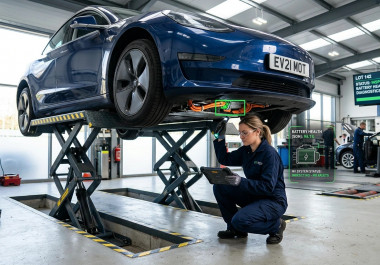
For any vehicle with a Category S (structural) designation, this section of the inspection is paramount. The inspector will use specialist equipment to check the alignment and condition of the chassis and sub-frames. They are looking for evidence of previous poor repairs, buckling, or uncorrected distortion caused by an accident. A failed structural assessment means the vehicle should not be returned to the road, so this check is absolutely non-negotiable for Cat S vehicles and represents a crucial element when exploring salvage car inspection services.
Mechanical and Electrical System Testing
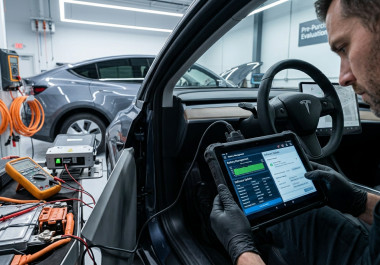
A major part of independent vehicle inspection for auctions involves assessing the operational health of the powertrain and complex electronics. This includes the engine, gearbox, clutch, and differential, checking for unusual noises or signs of failure. The inspector will also look for fault codes stored in the vehicle's ECU (Engine Control Unit) using diagnostic equipment. These digital checks often reveal underlying issues with sensors, emissions, or internal engine components that are impossible to spot visually.
Reviewing the Interior and Hidden Areas
The interior condition often reflects how well a car has been maintained, but the inspection delves deeper than cosmetic appearance. Experts check seatbelt operation, deployment of airbags (and evidence of replacement), and the full functionality of dashboard instruments. They examine the boot and wheel arches for signs of flood damage, which can be particularly devastating to a car's electrical systems. Checking these often-overlooked areas is a crucial step in preventing future issues.
What the Inspector Looks For: Essential Car Checks Before Buying
The engineer follows a precise methodology designed to cover every element essential for a safe, roadworthy vehicle. Their report details both immediate safety concerns and long-term maintenance needs. Knowing the specific points of failure they target allows you to cross-reference the report against your own expectations and repair budget.
Detailed History Checks
While not strictly a physical part of the car, the inspector confirms the V5 registration document and Vehicle Identification Number (VIN) match. They typically carry out a preliminary history check to confirm the vehicle's identity and status as a salvage vehicle or a used car. This ensures there are no outstanding finance agreements or discrepancies in the vehicle's recorded mileage, eliminating the risk of purchasing a fraudulent item.
Brakes, Tyres, and Suspension Evaluation
Braking performance, tyre tread depth, and suspension condition are essential pre-bid vehicle assessment criteria because they directly impact safety and immediate roadworthiness. The inspector checks brake pads, discs, and fluid levels for excessive wear or contamination. They assess shock absorbers, springs, and steering components for play, leaks, or damage that could affect handling and stability. Deficiencies in these areas are common, but they must be factored into your total investment cost.
Fluid and Leak Diagnostics
Leaks from the engine, gearbox, or cooling system can indicate serious, expensive underlying problems, such as a damaged head gasket or a cracked oil sump. The inspection includes checking fluid quality and levels, looking for signs of oil or coolant mixing, which suggests internal engine damage. A simple check of the exhaust smoke colour during a cold start can also reveal major engine wear that's otherwise invisible. These crucial steps prevent buyers from purchasing a vehicle with imminent engine failure.
The Inspection Report: Your Bidding Roadmap
Once the inspection is complete, you receive a detailed, itemised report that quantifies all defects and observations. This document is the ultimate tool for navigating the auction environment, ensuring your participation is driven by data, not emotion. Without this detailed breakdown when conducting an auction car inspection checklist, calculating the true potential value of a vehicle is almost impossible, leading to either overspending or missing out on a great deal.
Prioritising Identified Repairs
The report usually prioritises defects, classifying them as immediate safety issues (must be fixed before driving) or advisory maintenance items (should be fixed soon). Use this prioritisation to create a tiered repair budget. For example, a minor electrical fault can be scheduled later, but a severely worn brake disc needs immediate attention. This clear outline helps you understand the commitment required before you successfully bid.
Calculating Your Final Maximum Bid
With the inspector's repair estimates in hand, you can perform your final calculation, factoring in auction fees and VAT. Subtract the total repair budget from the expected market resale value of the fully repaired car. This remaining figure is the maximum amount you can afford to pay at the auction. Sticking rigidly to this calculated limit is the secret to successful and profitable online vehicle auctions when using an auction car inspection checklist.
Arranging Your Pre-Auction Inspection
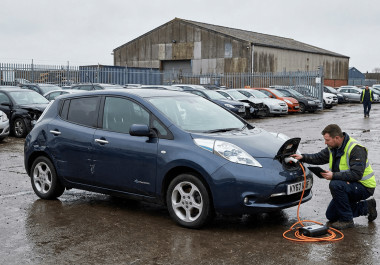
The process of commissioning independent vehicle inspection for auctions is straightforward. Many buyers choose a regional focus and coordinate an inspector to cover multiple vehicles in that location. While RAW2K doesn't provide the inspections directly, independent certified professionals can access vehicles at auction sites nationwide to conduct thorough assessments.
It's crucial to arrange the inspection well in advance of the auction closing time to give the engineer enough time to complete their report. Remember that the terms of access may vary depending on the location of the vehicle, whether it's at a local storage yard or a specialist facility through pre-bid inspection ready auction stock.
This small administrative step ensures you have all the facts before the bidding starts. For questions about the auction platform or your account, contact support. Register your interest today to begin your auction journey with professional inspection knowledge.