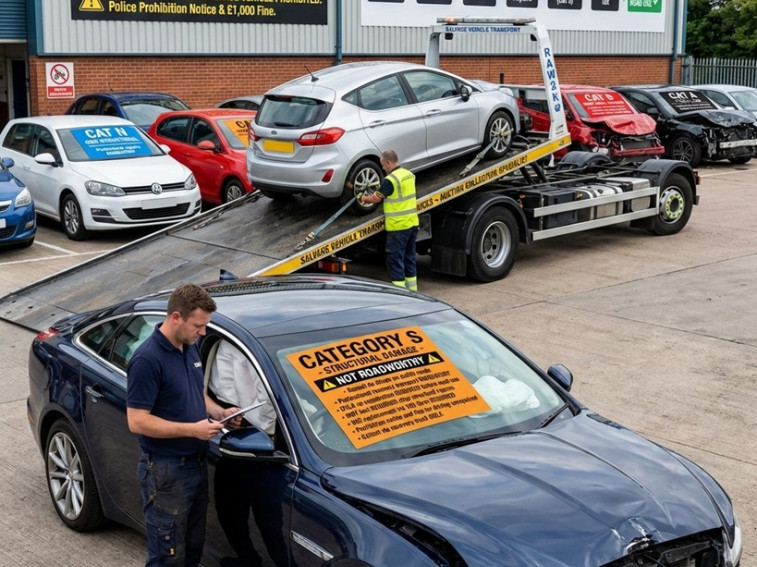
The excitement of winning a vehicle at auction is often quickly followed by a crucial question. Can you simply repair a damaged vehicle, insure it, and drive away without informing the DVLA?
The short answer is complex. It depends entirely on the vehicle's insurance write-off category. Generally, immediately driving salvage cars legally on public roads after auction is prohibited. UK law is clear that any vehicle deemed a write-off must meet strict standards before it can be used again.
For buyers, whether you're a professional dealer or a private individual, understanding the documentation and inspection requirements is non-negotiable. Ignoring the official procedures set out by the Driver and Vehicle Licensing Agency (DVLA) can lead to fines, invalid insurance, and prosecution.
This guide walks you through the necessary steps to ensure your auction purchase is safely and legally returned to the road.
The Essential Differences in Salvage Categories
Before you even consider collection, you must know the four insurance categories. These dictate the required path back to roadworthiness.
Categories A, B, N, and S define the extent of the damage. More importantly, they set the legal limits for salvage cars in terms of repair and re-registration. The category is the most important piece of information to guide your investment strategy and your timeline for road use.
Structural vs. Non-Structural Damage
The key distinction lies between Categories N (Non-structural) and S (Structural).
A Category N car has suffered non-structural damage. This includes problems with the brakes, electrics, steering, or cosmetic panels. Since the vehicle's main structural frame is undamaged, these cars generally don't require a DVLA re-registration process. However, the buyer is legally obligated to repair all damage and ensure the car is completely safe and roadworthy before use.
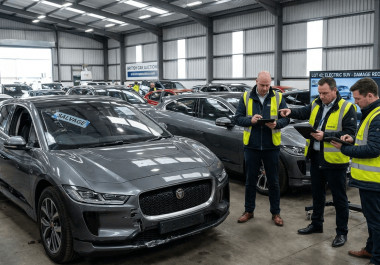
In contrast, a Category S vehicle has sustained structural damage. This means the chassis or crumple zones were compromised in the incident. Browse salvage vehicles to understand the range of categories available at auction.
Because structural integrity affects passenger safety, the repair process is more stringent. The legal hurdles are higher. While Category S cars can be repaired and returned to the road, they demand professional work and mandatory DVLA notification.
The Categories That Can Never Be Driven
It's equally important to understand the categories that prohibit any return to the road whatsoever.
Category A vehicles are total write-offs that must be crushed entirely. They're deemed unsafe and unrepairable, with no salvageable parts.
Category B vehicles have sustained significant damage to the chassis. The body shell must be crushed. However, parts can be salvaged for use in other vehicles. This is why these lots are popular among specialised vehicle dismantlers and parts dealers.
The very nature of Category A and B means these cars are sold strictly for scrap or parts recovery. Driving them anywhere other than on a recovery vehicle is strictly illegal. For vehicles designated Category A or B, arranging scrap collection ensures compliant disposal.
Buying one of these requires registration with the DVLA. This confirms you are an authorised breaker or dismantler. Always check the category clearly before bidding to avoid purchasing a vehicle that can never be put back on the road.
Mandatory Steps for Legal Road Use
Once you've successfully won a salvage vehicle, the repair process begins, culminating in the crucial steps required to satisfy the DVLA and the police. For most salvage buyers, the end goal is to achieve full compliance so the vehicle can be taxed, insured, and driven without restriction. The path is determined by the vehicle's damage classification, with Cat S demanding the most meticulous compliance. From cars to motorcycles and smaller vehicles, these procedures apply universally.
The Path for Category N Vehicles
If you secure a Category N vehicle, your focus is entirely on professional, high-quality repairs. Since the existing V5C (logbook) may still be valid, no re-registration process is typically required, provided you notify the DVLA of the change of ownership. If the vehicle is over three years old, it must have a valid MOT certificate, and if the accident occurred after the last MOT, obtaining a new one is highly recommended. You must be completely confident that the non-structural damage to components like steering or brakes has been perfectly rectified.
Before the car can be driven, it must be taxed and fully insured under a policy that is aware of its salvage history. Remember, even with an existing MOT, the onus is on the new owner to ensure the vehicle is safe. If a police officer deems the vehicle unroadworthy, they can issue a prohibition notice, regardless of the MOT status.
The Mandatory Re-registration for Category S
The requirements for a Category S car are more formal because the damage affected the structural integrity. Once all structural repairs are completed by a qualified professional, the vehicle needs a new MOT test before it can legally return to the road. This inspection is vital to prove the vehicle's safety features and structure have been fully restored.
Crucially, the DVLA will have been notified by the insurer that the V5C has been destroyed. Therefore, after the repairs are completed and the new MOT is secured, the new keeper must apply to the DVLA for a replacement V5C using a V62 form. Upon issuing the new document, the DVLA records the vehicle's Cat S status, which then remains permanently on its registration history. This formal re-registration process is the non-negotiable step for driving salvage cars legally after structural damage. Understanding these requirements ensures compliance with UK road traffic law.
Logistics and Compliance in Regional Auctions
The physical handling of the vehicle must comply with UK road traffic law. This applies whether you explore vehicle auctions in South East UK or secure a commercial vehicle in the West Midlands. A damaged car is considered unroadworthy and cannot be driven on public roads, even if it runs, until it meets the necessary post-repair legal standards.
Collection and Transport
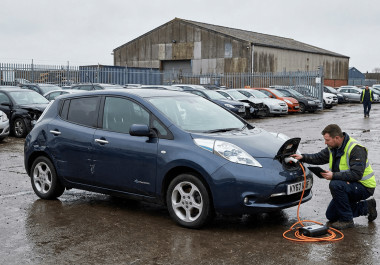
The most important rule immediately following a successful bid is safe transport: a damaged vehicle must be collected using a professional recovery truck or a trailer. You cannot simply drive an unrepaired vehicle away from RAW2K Vehicle Auctions. Attempting to do so risks a prohibition notice and a fine from the authorities, who will deem the car unroadworthy. This is particularly true for structurally damaged vehicles, where the chassis integrity is still compromised.
Documentation for Dealers and Private Buyers
For all buyers, maintaining a meticulous paper trail of the purchase, the repairs, and the final roadworthy certification is essential. Dealers use these records to justify the resale value, while private buyers use them for insurance purposes. When you buy a salvage car, the original V5C is likely cancelled; if you need to apply for a replacement V5C, you will need proof of purchase from the supplier.
Evidence of Repairs: Keep detailed receipts and invoices from qualified mechanics, especially for structural work.
MOT Certificate: Ensure you have a current, valid MOT, particularly for Cat S vehicles after repairs.
Insurance Declaration: Always ensure your insurer is fully aware the vehicle has a salvage history (Cat S or N).
This due diligence provides a clear audit trail that confirms you have adhered to the legal limits for salvage cars. It prevents future complications during resale or in the event of a traffic stop.
Protecting Your Investment and Future Value
Restoring a salvage vehicle is a financially sound choice when executed correctly, but ignoring the DVLA's legal limits for salvage cars drastically undermines the investment. Imagine an experienced dealer who won a high-value Cat S van at one of our dedicated van auctions and attempted to skip the V5C re-registration step. When he went to sell the van, the lack of formal DVLA compliance meant the new buyer could not tax or fully insure it, severely dropping the potential resale value and forcing the dealer to halt the sale until the paperwork was rectified.
This scenario illustrates the crucial point: transparency and compliance preserve value. If a vehicle has salvage history, that history will follow it, but by completing the mandatory repairs and re-registration, you turn a damaged asset into a legal, functional one. This commitment to compliance is key to maximising your profit or enjoying safe personal use.
Ready to start sourcing salvage vehicles? Register to access auctions and browse listings with confidence.
Your journey to auction success is about more than just finding a low price; it's about navigating the entire legal landscape with expertise.