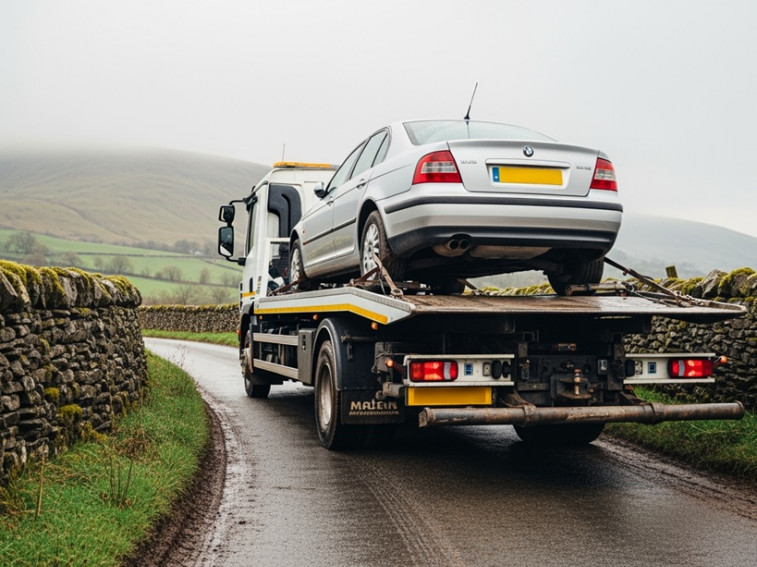
Moving a damaged vehicle is not like ordering a standard parcel delivery. A basic transport quote changes drastically depending on whether the vehicle sits in Brighton or the Scottish Highlands. After observing the market for many years, it becomes clear that geography dictates transport fees more than almost any other factor. Location shapes everything from fuel expenses to driver availability across the country.
The difference between collecting a motor from Birmingham versus the Outer Hebrides can swing the final bill by hundreds of pounds. That is a significant amount when already calculating repair budgets and auction fees. Understanding these geographic factors helps buyers bid much smarter during online sales. Knowing how location affects salvage transportation costs prevents expensive post-auction surprises.
Why Geography Drives Transport Bills
Distance forms the backbone of any transport quote, but it rarely tells the whole story. A 200-mile journey through motorway-connected cities costs far less than the same distance across rural Wales. Transport operators price their services based on time, not just the physical miles covered. When recovery drivers face single-track roads or ferry crossings, they must factor in severe delays.
Quotes for Highland locations often double compared to Manchester suburbs for the exact same vehicle type. Urban areas typically offer better value because transport companies already run regular routes between major cities. The vehicle simply becomes part of an efficient circuit rather than a dedicated special trip. This distinction is fundamental to understanding actual salvage car transport dynamics.
The Urban Advantage in Salvage Transportation
Cities create competition among transport providers, and competition naturally drives prices down. When collecting from London, Birmingham, or Glasgow, multiple operators service these areas every single day. They are already heading there for other jobs, so adding another vehicle costs them very little extra time. Major urban transport benefits include established routes, frequent service, and better road infrastructure.
Higher vehicle density also means shared transport options are frequently available. Easier access for large car transporters and recovery trucks keeps the baseline pricing highly competitive. A salvage car sitting in a Birmingham yard might cost a fraction of the price to transport compared to a remote location. This competitive environment heavily reduces overall salvage transportation costs for urban buyers.
Rural and Remote Locations: The Premium Problem
Remote areas command premium rates for very straightforward logistical reasons. Transport companies face longer collection times, limited route options, and often cannot bundle multiple jobs together. The Scottish Highlands, rural Wales, and Northern Ireland all carry significant transport premiums that buyers must calculate. Remote location challenges include single-track roads that limit vehicle size and average driving speed.
There is also minimal competition between transport operators in these distant areas. Fuel costs for extended journeys and potential overnight accommodation for drivers quickly add up. Northern Ireland presents unique complications, as ferry bookings and additional paperwork create a significant cost barrier. Factoring in these variables is essential when calculating accurate vehicle recovery costs.
How Road Infrastructure Shapes Pricing
Motorway access completely transforms the economics of moving a heavy vehicle. A car located near the M1 or M25 moves quickly and cheaply. The same vehicle tucked away in a location requiring thirty miles of narrow country lanes costs substantially more. Searching through salvage vehicle auctions requires buyers to map the exact collection point carefully.
Transport operators calculate journey time just as carefully as physical distance. A 150-mile motorway run takes roughly two and a half hours in good conditions. That same distance through rural Devon with limited passing points might take five hours. This extra time translates directly into higher auction transport fees for the winning bidder.
London presents a highly peculiar challenge for transport logistics. While well-connected by motorways, the congestion charges and parking difficulties often add a premium to collection costs. Some operators now charge specific city premiums to cover these urban complications. Finding damaged cars for sale just outside the M25 often yields better transport rates than central London collections.
Regional Price Variations Across the UK
The United Kingdom is not uniform when it comes to transport pricing. Different regions command different rates based on distance from major population centres and local competition. Understanding these regional variations is vital for calculating accurate vehicle recovery costs before bidding. The South East and Midlands generally offer the most competitive rates due to high population density and excellent road networks.
The North West and Yorkshire benefit from solid infrastructure, but pricing runs slightly higher due to distance from southern hubs. Buyers must always factor these regional baseline prices into their absolute maximum bids. Scotland maintains reasonable rates in the central belt, but highland locations see significant price increases. Using reliable online car bidding platforms allows buyers to filter by region and actively manage these delivery logistics.
Calculating True Location-Based Costs
Smart buyers always factor transport into their maximum bid before the auction starts. A cheap car from Cornwall requiring expensive transport might cost more than a slightly pricier car from Birmingham. That geographical difference might mean the remote vehicle collection is not actually the better deal. Exploring salvage car auctions UK requires strict mathematical discipline.
Many buyers get caught out by assuming transport costs stay constant across the country. They bid aggressively on a vehicle because it looks cheap, then discover the remote location doubles their expected transport bill. Suddenly, that perceived bargain becomes an expensive mistake when calculating remote vehicle collection costs properly. To calculate location-adjusted costs, buyers should identify the exact collection postcode and secure quotes from multiple transport operators.
Adding these auction transport fees to the maximum bid prevents any post-auction financial surprises. Reviewing regional repairable vehicles for sale ensures buyers accurately compare total delivered costs rather than just the hammer prices. Location shapes salvage car transport more dramatically than most buyers initially realise. The difference between urban and remote pickups can swing the final bill by hundreds of pounds.
The Bottom Line
This cost difference transforms apparent bargains into expensive mistakes or reveals highly overlooked regional opportunities. Smart buyers calculate the total delivered cost before bidding, factoring in distance, road infrastructure, and regional variations. Understanding these geographical patterns helps buyers evaluate salvage transportation costs strategically rather than emotionally. A well-connected urban location delivers value through highly efficient salvage car transport options.
Before placing a bid, buyers should check the collection postcode and obtain proper transport quotes. That brief research period prevents expensive surprises and helps identify vehicles offering genuine value. To explore the latest regional inventory, prospective owners can browse the RAW2K platform today.
If any administrative guidance is required regarding platform navigation, please contact our team directly. Dedicated staff members are available to assist with account setup and auction procedures. This ensures a smooth and fully informed bidding experience for all users.
Once prepared to execute a strategic acquisition, simply register for salvage auctions to begin securing vehicles across the national market today. The market updates daily with fresh opportunities. Securing a high-value project becomes much easier with proper logistical planning.