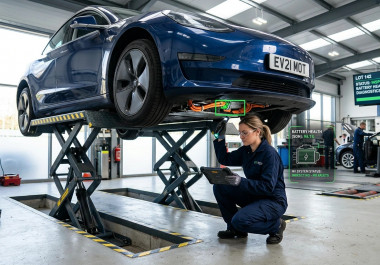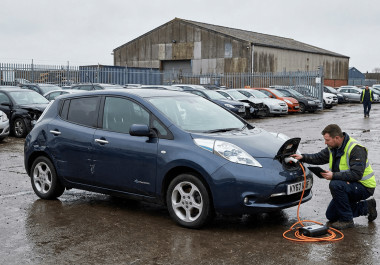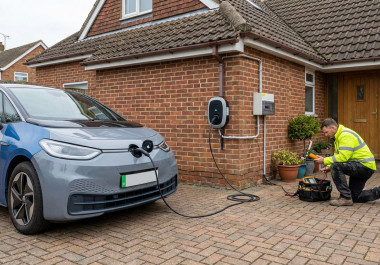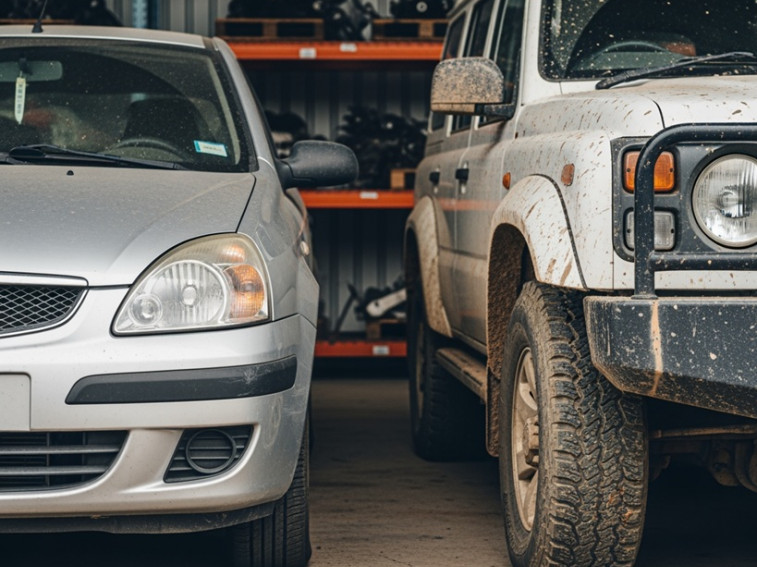
Buying a damaged car involves much more than simply reading a basic condition report. The environment where a car spent its active life matters deeply to the final assessment. A modern hatchback navigating congested London streets faces very different stresses than an identical model driving across the Scottish Highlands. Understanding these location-based differences is an essential skill for any serious automotive buyer.
A vehicle's history tells a detailed story about its mechanical and structural health. This background information directly affects rust patterns, suspension wear, and internal engine stress. It should absolutely influence the maximum limit a buyer is willing to pay at auction. Learning to compare urban salvage vehicles against their rural counterparts helps prevent expensive miscalculations.
Why Location Changes Everything About Salvage Value
The registered postcode of a car shapes its condition in ways that photographs rarely show. Urban and rural areas create highly distinct patterns of deterioration that experienced buyers learn to identify. When evaluating the urban vs rural salvage market, buyers are assessing a completely different type of wear pattern.
Cars from city centres usually accumulate damage through low-speed impacts and tight parking incidents. They rack up fewer total miles but endure thousands of extra gear changes and brake applications. The bodywork might show minor scrapes from tight spaces, while the undercarriage often remains surprisingly clean. This assumes the local council maintains and clears the roads regularly during the winter months.
Rural salvage vehicles tell a completely different story regarding their structural preservation. They are more likely to experience higher-speed collisions on open country roads or suffer damage from agricultural use. The mechanical parts often show less stress from heavy traffic, but the bodywork faces severe environmental challenges. These cars frequently reveal extensive corrosion from exposure to untreated roads and moisture-retaining mud.
Rust and Corrosion: The Rural Reality
Corrosion does not just happen faster in countryside areas; it happens in completely different ways. Rural roads receive much less frequent treatment during freezing winter months. Salt and grit sit on the road surfaces longer, and cars parked outdoors face constant exposure to damp air. If a car lived near coastal areas or farms, the rust accelerates due to salt spray or fertiliser exposure.
Buyers must check specific areas on rural salvage vehicles with extreme care. Wheel arches and sills frequently hide bubbling paint and deep rust perforation. Exhaust systems often corrode through much earlier than their city-based equivalents. Additionally, brake lines and chassis rails remain highly vulnerable to unchecked road salt damage.
City cars are not completely immune to rust, but the decay usually progresses much more slowly. Regular driving keeps the components moving and helps prevent deep moisture accumulation. The only major exception involves cars that sat unused in damp city garages for extended periods before being auctioned.
Mechanical Wear Patterns: Stop-Start vs Open Road
The mechanical condition of any car changes based on its daily driving patterns. Urban salvage vehicles typically feature higher clutch wear from constant stopping and starting in traffic. They also suffer from stressed transmissions due to endless low-speed manoeuvring and heavy brake wear despite showing lower overall mileage.
Cooling systems in city cars also work much harder while idling in heavy congestion. For example, a delivery van covering London postcodes will show entirely different wear than a sales vehicle driving between regional offices. Exploring damaged cars for sale requires buyers to look past the odometer and consider the geographical history.
Conversely, rural cars typically show much lower clutch and transmission wear relative to their total mileage. More highway driving means less component stress, and consistent airflow keeps cooling systems in better condition. However, these vehicles may have suspension parts stressed by poor road surfaces and deep potholes.
Accident Damage Types: Speed vs Congestion
The nature of the salvage damage itself varies dramatically between city and country locations. Urban damage commonly involves low-speed parking collisions or side-swipe incidents in very narrow streets. These accidents often result in non-structural classifications because the cosmetic damage is simply uneconomical for insurers to repair.
For buyers, this non-structural status is often very good news. The mechanical components might remain perfectly sound while the cosmetic panel damage scared off the original insurer. By searching through salvage auto auctions, smart investors frequently locate these lightly damaged urban cars for straightforward repair projects.
Rural damage tends to involve higher-speed collisions with a much greater structural impact. Single-vehicle accidents involving trees, walls, or wildlife strikes are incredibly common in these areas. These incidents result in structural markers, which require careful inspection from anyone reviewing salvage inventory online.
Mileage vs Condition: The Urban Paradox
A common trap for inexperienced buyers is assuming that lower mileage automatically means better mechanical health. An urban vehicle with 60,000 miles might have endured endless first-gear crawling and constant engine idling. These harsh conditions put immense strain on the engine mounts and internal timing components.
A rural vehicle with 90,000 miles might have spent its entire life cruising easily on open roads. Those are gentle miles that barely stress the engine or the manual transmission. Very often, the higher-mileage rural vehicle is actually in much better mechanical condition than the low-mileage city car.
When evaluating salvage car auctions UK, buyers must never let mileage alone guide their final decision. They should consider exactly where those miles happened to assess the true internal wear. Matching the registered postcode to the general condition photos provides a much more accurate picture of the asset.
Parts Availability and Repair Costs
Location affects more than just the initial condition of the car; it also influences post-purchase repair costs. Urban models are typically mainstream brands that any local mechanic can service easily. This widespread popularity ensures better parts availability through local breakers and independent component suppliers.
Rural areas often produce commercial models or agricultural variants with highly unique specifications. That rare specification might seem like a bargain until the buyer is waiting weeks for a replacement part. Those browsing used cars for sale must factor in exactly where they will source their specialized replacement components.
Additionally, insurance premiums will reflect where the repaired car is ultimately kept. High-risk urban postcodes might eliminate any savings made at auction due to elevated theft and vandalism rates. Checking insurance quotes before placing a bid ensures the project remains financially sensible from start to finish.
The Bottom Line
The distinction between an urban and a rural background goes far beyond a simple postcode. It fundamentally alters rust patterns, mechanical wear, accident severity, and parts availability. Understanding the urban vs rural salvage dynamic gives buyers a significant edge that many competitors completely overlook.
City models usually show higher mechanical wear but offer excellent parts access and minimal deep rust. Countryside models frequently offer healthier engines but demand very careful structural inspections for agricultural chemical corrosion. Evaluating these specific traits helps buyers find genuine value in the current market.
To review the latest regional inventory and compare vehicle histories, buyers can explore the RAW2K platform today. This provides a clear view of national pricing trends. Exploring this data ensures every bid is mathematically sound.
If any administrative assistance is required regarding platform navigation, please contact our team directly. Dedicated staff are ready to help with account setup. This ensures a smooth bidding process for all users.
Once prepared to execute a strategic acquisition, simply browse the latest repairable vehicles for sale and begin bidding with total confidence today. The market updates daily with fresh opportunities. Secure your next high-value project before the competition arrives.