Purchasing a vehicle at auction, particularly a salvage or damaged model, offers exceptional value. However, it requires diligent awareness of the legal landscape.
The low purchase price of a write-off often masks significant compliance and safety obligations. These fall directly to the new owner. Understanding these mandatory steps is critical to avoiding potential safety issues, costly re-registration delays, and future resale problems.
Navigating the Risks of Buying Write-Off Cars successfully means prioritising documentation and official inspections above all else.
Whether you're a professional dealer or a private buyer seeking an economical solution, thorough preparation is key. You must treat a vehicle's categorisation as the foundation of its legal status, not just a description of its damage. The process of returning a write-off to the road is governed by strict UK regulations designed to ensure safety.
Identifying Legal Write-Off Classifications
The term "write-off" means an insurance company has deemed the vehicle uneconomical to repair, officially classifying it under one of four categories (A, B, S, or N). While categories A and B are strictly reserved for breaking or crushing (requiring proper scrap collection arrangements), categories S and N vehicles can be legally returned to use. The distinction between these two categories determines the necessary legal and mechanical steps required for safe use.
The True Meaning of Category S and N
A vehicle categorised as Category N (Non-structural) has sustained damage that doesn't affect the main structure or chassis. This damage is typically cosmetic or involves easily replaceable parts. Think bolt-on panels, electrics, or minor mechanicals.
Although Cat N vehicles pose the lowest Risks of Buying Write-Off Cars, the owner must ensure all repairs are professionally completed. The car must be roadworthy before driving it. It's essential to retain all receipts and documentation proving the quality of the repair work.
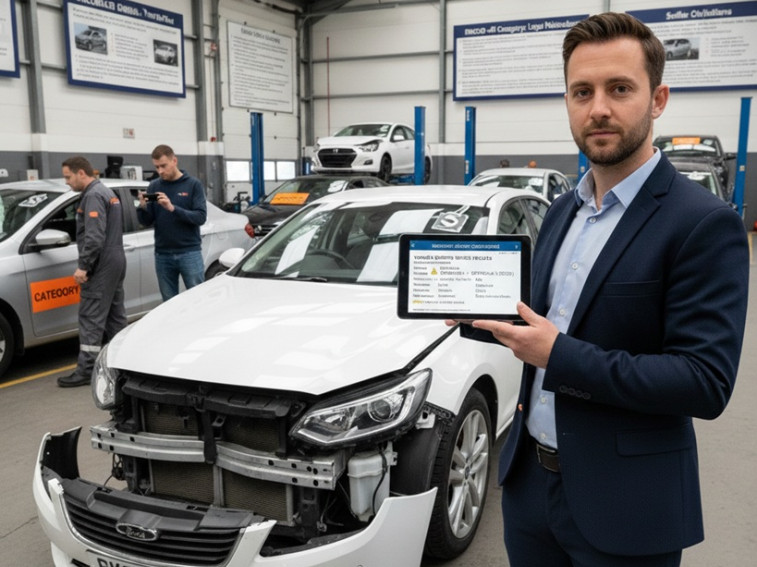
Category S cars (Structural) present a higher complexity. They've sustained damage to the structural integrity of the chassis or frame. Browse Category S vehicles to understand the range of structural damage available at auction.
The legal implication here is clear. The vehicle must be repaired by qualified specialists who can restore the structural soundness to the manufacturer's standards. The correct identification of a Cat S car should immediately trigger a commitment to thorough repair documentation. Failure to properly address this structural damage can create long-term safety and insurance liabilities.
The Hidden Threat of Unrecorded Damage
Perhaps the most challenging legal hurdle for auction buyers is the presence of vehicles with unrecorded damage. These are cars that were significantly damaged but were never reported to an insurance company or registered on the official databases as a write-off. This often occurs when a previous owner pays for repairs out of pocket, bypassing the insurance claim process entirely. This avoidance of reporting applies not only to cars but also to items like scooters and motorbikes available through motorcycle auctions, where private repairs are common.
The Imperative for Legal Checks Before You Buy
The primary concern with unrecorded vehicles is the unknown history of impact and repair quality. Without an official Category marker, you have no formal indication of whether the vehicle has hidden structural weaknesses or unaddressed safety issues. This is precisely why performing comprehensive Legal Checks Before You Buy is non-negotiable for any auction purchase, regardless of the apparent condition. Buyers must invest in a full vehicle history check, such as an HPI check, to confirm the official categorisation status and verify that the car isn't recorded as stolen or under finance.
These checks search the central insurance databases to determine if the vehicle was ever previously written off, even if a badge or listing suggests otherwise. If the check reveals a history of undeclared write-off status, you must immediately adjust your repair budget and inspection standards to account for the risk. A seller is legally obligated to disclose a vehicle's write-off status if they are aware of it.
The Pathway to Re-Registration and Roadworthiness
For Category S vehicles, the law requires more than just mechanical repair; it requires proof of that repair before the vehicle can be safely insured and sold. This rigorous process is designed to prevent unsafe vehicles from re-entering circulation and causing further accidents. RAW2K Vehicle Auctions provides the platform for purchasing these vehicles with all available information. For Category N cars, the burden of proof is focused solely on ensuring the car is roadworthy through a standard MOT.
Documenting Structural Repair Evidence
If you win a Category S cars lot, every step of the repair process must be meticulously documented and verifiable. This includes detailed invoices for replacement parts, photographs of the repair work in progress, and statements from the qualified structural repair body. For instance, consider the case of Mark, a mechanic who bought a Cat S van at a recent auction. He knew the van had structural damage, but he meticulously documented the chassis alignment process and retained every receipt for the new load-bearing components. When it came time to update the V5C and apply for insurance, his detailed portfolio of repair evidence made the process seamless.
This comprehensive documentation is necessary because the Category S marker will permanently remain on the vehicle's V5C registration document. When you go to sell the car later, you must be able to present this clear evidence to future buyers, or the resale value will be severely diminished. It is critical to ensure the Vehicle Registration Certificate (V5C) is updated with the new owner's details following the auction purchase.
Insurance and Liability Considerations
Buying a write-off directly impacts how easily and affordably you can insure the vehicle once the repairs are complete. Not all insurance companies will cover a vehicle with a Cat S or Cat N marker, or they may apply significant exclusions or increased premiums. This applies particularly when sourcing commercial stock, such as vehicles from van and commercial auctions, which often require specialist commercial insurance. You must obtain insurance quotations before placing a final bid to ensure the repair is financially sensible.
Protecting Against Future Liability
The permanent nature of the Category S and N markers means that if the vehicle is involved in a future accident, the insurer's assessment process will be influenced by its salvage history. You must be completely transparent with your insurer about the vehicle's status when arranging cover. For professional dealers, this is also a matter of consumer law: selling a restored Category S car requires full disclosure to the end buyer. Failure to disclose the write-off status can lead to serious legal disputes and breach of contract claims.
To minimise risk, always insist on a professional inspection once all repairs are finished.
Mitigating Risk: Your Essential Checklist
Success in the auction environment comes down to a few critical, actionable steps that mitigate the inevitable Risks of Buying Write-Off Cars. These guidelines will help you maintain compliance and protect your investment. Explore vehicle auctions across the entire country, including regional options.
Mandatory Steps for Confident Bidding:
Conduct an HPI Check: Always verify the write-off status, finance agreements, and stolen history using a reputable third-party service. This should be the very first of your Legal Checks Before You Buy.
Verify Repair Expertise: If purchasing a Cat S vehicle, ensure that the necessary structural repairs will be conducted by professionals with the correct certifications.
Budget for Compliance: Factor in the potential cost of additional inspections, MOT retests, and V5C administrative fees into your maximum bid price.
Retain Documentation: Keep an organised file of all repair invoices, receipts, and photographic evidence for the vehicle's entire history under your ownership.
Ready to start bidding with confidence? Register to access auctions and begin your search.
By following these procedures, you turn what could be a high-risk purchase into a calculated, high-reward investment.