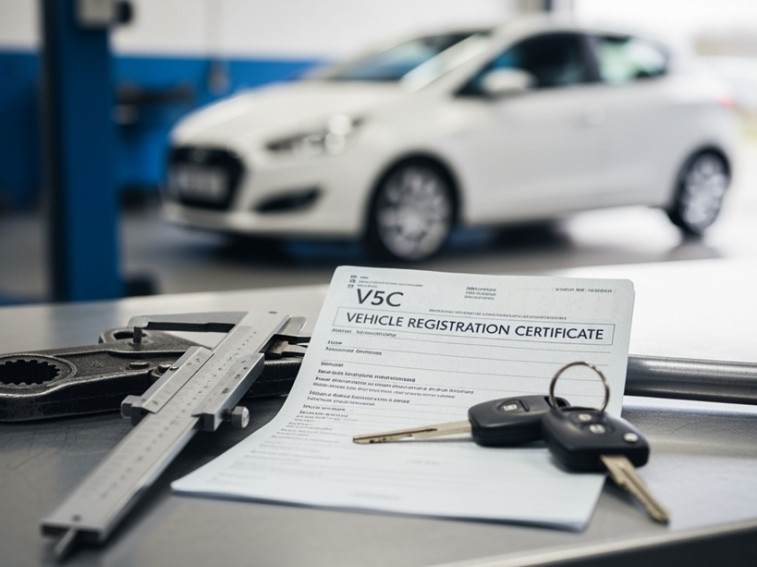
Dealing with a salvaged vehicle involves much more than simply handing over the keys. The paperwork can easily trip up buyers. The V5C logbook proves who the registered keeper is. It becomes absolutely critical when an insurer writes off a car.
Many individuals secure a vehicle at auction only to find themselves stuck in administrative limbo. If the paperwork is handled incorrectly, the vehicle cannot be legally sold, insured, or driven on public roads.
What Makes the Logbook Procedure Different
When an insurance company writes off a car, the DVLA must be notified that the vehicle is a total loss. There is a specific v5c process to follow that differs significantly from standard used car transactions.
Insurance companies typically retain the original logbook. They write off the vehicle while strictly adhering to logbook regulations. This official notification creates a permanent marker on the vehicle's record.
When a salvage vehicle is won at auction, the buyer does not receive the logbook immediately. The document must process through the DVLA system first. Following this, the new keeper must apply for a replacement in their own name.
The Four Salvage Categories That Affect Registration
Not all salvage vehicles are treated equally by the DVLA. The insurance write-off category dictates the next administrative steps. Here is a breakdown of how the DVLA treats each category:
-
Category A: These vehicles are the most severely damaged. They must be crushed entirely, meaning no parts can be salvaged. The DVLA permanently removes the vehicle's identity. Any old logbook becomes worthless paper.
-
Category B: The vehicle's body shell is too damaged to repair safely. While mechanics can salvage specific components, the overall vehicle identity gets scrapped. Therefore, there is no registration document to transfer.
-
Category S: This indicates structural damage that has been professionally repaired or remains repairable. The vehicle can return to the road. However, the salvage marker stays on the DVLA record forever.
-
Category N: This covers non-structural damage, such as electrical faults, cosmetic issues, or mechanical failure. These vehicles keep their identity and can return to the road after repair.
How to Obtain a V5C After Buying at Salvage Auction
Once a salvage vehicle is won, the focus shifts entirely to paperwork. The v5c process is sequential. Skipping a single step will create severe delays.
Follow these steps to secure a new logbook:
-
Secure Proof of Purchase: Obtain a Certificate of Destruction or a formal receipt from the auction house.
-
Complete the V62 Form: This is the official application for a logbook when the original document is missing. Using the green slip from an old logbook is ineffective for salvage vehicles.
-
Gather Verification Documents: Collect proof of identity and proof of address. Ensure these documents are current and match perfectly.
-
Submit the Application: Send the V62 form and the standard fee to the DVLA. Using standard post is recommended, as recorded delivery requires a signature and can add weeks to the processing time.
The Insurance Company's Role in the Transfer
Insurance companies have strict legal obligations. These rules illustrate how logbook regulations affect the transfer of ownership.
When an insurer declares a vehicle a total loss, they must notify the DVLA within seven days. The insurer then typically sells the salvage vehicle through an auction. At this point, they are no longer the registered keeper. However, the registration has not transferred to anyone else yet.
This creates a gap in the chain of custody. This gap is exactly why a fresh application is required instead of simply filling in the transfer section of an existing logbook.
Repairing a Salvage Vehicle Before Applying
While it is technically possible to apply for a logbook before repairing a vehicle, it is not always the smartest strategy. Category S and N vehicles require a fresh MOT once they have been repaired, regardless of their age.
The MOT examiner will scrutinise the vehicle carefully, looking specifically at the previously damaged areas. Keeping every receipt from the repairs is essential. Detailed repair records prove the work was done properly, which can significantly improve insurance premium offers.
Common Mistakes That Delay the Application
Buyers frequently make simple mistakes that stall their paperwork. Avoiding these errors saves both time and frustration.
-
Assuming Automatic Transfers: It is solely the buyer's responsibility to apply for the replacement logbook. Auction houses do not handle this automatically.
-
Using the Wrong Form: The V5C/2 supplement only works when transferring a clean, existing logbook. The V62 form is mandatory for salvage vehicles.
-
Providing Mismatched ID: Inadequate proof of identity causes severe delays. The DVLA requires all addresses and names to match exactly.
Processing Timelines for Salvage Vehicles
Standard logbook applications take about five working days. However, for salvage vehicles, this estimate must be doubled or tripled.
The system needs to verify the insurance company's notification, check the specific salvage category, and confirm all documentation. In reality, most applications within the v5c process take three to six weeks. Buyers cannot legally tax the vehicle while waiting for this documentation to arrive.
What the New Registration Document Will Show
When the new logbook finally arrives, the salvage category will be clearly marked on the front. This marker is permanent. It will appear on every future document for that vehicle, regardless of how many times it changes hands.
The document will show the new registered keeper alongside all standard vehicle details. However, it will not show the repair history or details of the original damage. When sourcing vehicles from car auctions uk, buyers should note that this permanent marker affects future resale value significantly.
Selling a Salvage Vehicle Legally
Once the logbook is sorted and the vehicle is ready for resale, the transfer follows standard DVLA procedures. There is one crucial difference: the salvage category must be declared to any buyer.
Failing to disclose this history is unethical and potentially illegal under consumer protection laws. If listing a repaired vehicle at salvage vehicles auctions, transparency is required. Pricing must also reflect the salvage marker, as the market will not support clean vehicle prices for previously damaged stock.
The Registration Procedure for Imported Salvage Vehicles
Importing a damaged vehicle from overseas adds another layer of complexity to the v5c process. Whether importing commercial stock for resale at van auctions or passenger cars, a V55/5 form is needed rather than a V62.
This application for first-time registration requires proof of the vehicle's identity, evidence of roadworthiness, and customs documentation. The DVLA may assign a Q plate if they cannot verify the vehicle's age or identity conclusively. This marker significantly impacts the asset's total value.
Digital Verification and Future Changes
The DVLA is modernising its systems gradually. While digital documents are frequently discussed, physical paper logbooks remain the standard for all salvage vehicles today.
However, several helpful processes have moved online. The Vehicle Enquiry Service allows buyers to check basic vehicle details using the registration number. This transparency helps verify a vehicle's status, dramatically reducing the risk of buying something with a hidden salvage history.
Insurance Considerations After Receiving Documentation
Securing insurance for a salvage vehicle is more complicated than insuring a clean car. Once the logbook is obtained, mainstream insurers may still refuse to touch Category S vehicles.
Specialist salvage insurers exist, but premiums often reflect the higher risk. The insurer will generally request to see repair receipts, an MOT certificate, and photos of the completed work. These principles apply universally, whether securing a family estate or a project from a motorbike auction in uk.
Declared value policies generally work better than market value policies for these vehicles. They allow the owner to set and agree upon the asset's worth upfront.
When the Application Goes Wrong
Sometimes logbook applications are rejected by the DVLA. Understanding the common reasons for refusal helps streamline the resubmission process.
Typical rejection reasons include:
-
Mismatched identity documents.
-
Insufficient proof of purchase from the seller.
-
Missing MOT certificates for repaired vehicles.
If an application is rejected, reading the letter carefully and fixing the specific issue is the best approach. If a vehicle is ultimately deemed unrepairable due to insurmountable administrative roadblocks, utilizing a scrap my car service provides a legal, documented exit strategy to dispose of the asset safely.
Why Understanding This Procedure Matters
The v5c process is not just bureaucratic box-ticking. It forms the legal framework that proves ownership, enables insurance, and protects future buyers from fraud.
Handling the paperwork correctly ensures the vehicle can be repaired, used, and eventually sold without administrative complications. Acquiring stock through the RAW2K platform provides transparent access to properly documented salvage inventory. Understanding these administrative requirements is the true gateway to making these purchases work both financially and legally.
Final Thoughts on Salvage Vehicle Documentation
Navigating logbook regulations successfully ensures that the vehicle can be returned to the road without unexpected delays. Budgeting time as well as money is vital when planning a salvage purchase. The wait for documentation simply cannot be bypassed.
Keeping copies of every submitted form, receipt, and piece of correspondence is essential for future reference. To begin building a portfolio of well-documented salvage vehicles, register for salvage auctions today. For further guidance on navigating paperwork compliance and DVLA requirements, get in touch for professional support.