Securing the correct salvage car documents is not like visiting a local dealership. Buyers are dealing with vehicles previously written off by insurers, and the paperwork reflects that strict reality. Missing a single crucial document can easily result in acquiring a vehicle that cannot be legally driven or sold.
Experience in the motor trade reveals that countless buyers are caught out by missing paperwork. They spot a bargain, place a bid, and only later realise they lack the complete picture. The salvage market operates differently from standard used vehicle sales. Consequently, paperwork requirements are much more rigorous to reflect the asset's history and legal status.
Knowing exactly which salvage car documents must be secured before, during, and after a transaction is essential. This layout follows the actual buying process, ensuring complete clarity on exactly what to chase down at each stage.
Essential Pre-Purchase Documents
Before bidding, a solid title transfer checklist helps verify what is actually being bought. Key documents include:
-
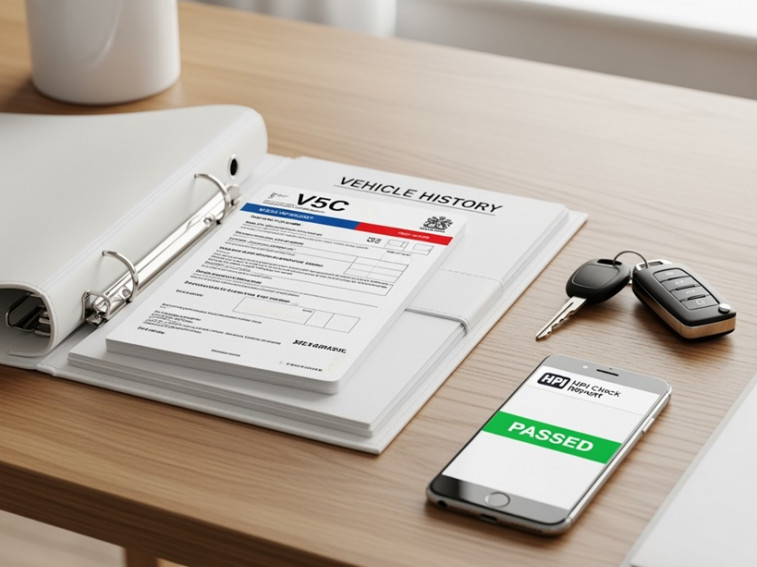
The V5C Logbook: This certificate proves who officially owns the vehicle. When a car gets written off, the insurer usually sends the V5C directly to the DVLA. If a vehicle sells without one, written confirmation is needed to guarantee the seller will assist in obtaining a replacement.
-
Insurance Write-Off Documentation: This paperwork confirms the specific category of damage. Categories A and B cannot return to the road. Category S means structural damage, while Category N covers non-structural issues. This categorisation heavily affects vehicle value and insurability.
-
VIN Certificate: The Vehicle Identification Number must match across all paperwork. Salvage vehicles sometimes have damaged VIN plates, making documentary proof critical for registration.
Auction-Specific Documentation
Vehicle auctions generate their own specific paperwork trail. When participating in salvage vehicle events, understanding documentation ensures the capture of vital records.
-
Auction Catalogue Entry: This details the lot number, vehicle description, and known damage. Saving it digitally protects the buyer by proving exactly what was disclosed prior to the sale.
-
Bidding Confirmation and Invoice: The moment a bid succeeds, a binding contract forms. The official invoice should clearly itemise the hammer price, buyer's premium, VAT, and any extra storage fees.
-
Collection Authorisation: This release note proves a person is entitled to remove the vehicle from the site. Third parties collecting the vehicle will need written authorisation alongside photographic identification.
Proof of Purchase and Payment Records
Keeping every scrap of payment evidence is essential for a secure transaction.
-
Bank Transfer Confirmations: The salvage market requires iron-clad proof that funds were successfully transferred. Screenshotting online banking receipts is a standard best practice.
-
Bill of Sale: This should detail both parties, the vehicle description, sale price, and the date. If a seller does not offer one, creating a standard template prevents severe headaches during registration.
-
Deposit Receipts: If a deposit secures the vehicle before final payment, it needs a separate paper trail. Disputes frequently arise when buyers cannot formally prove deposits were paid.
Vehicle History and Condition Reports
Understanding a car's past prevents expensive surprises during the evaluation process.
-
Insurance Assessor's Report: This explains why the insurer wrote the vehicle off. It reveals whether the car suffered flood, fire, or impact damage, which directly affects repair costs.
-
Paid HPI Checks: Comprehensive reports uncover hidden vehicle history. They reveal outstanding finance, stolen markers, and previous write-off categories for peace of mind.
-
Mileage Verification Documents: The MOT history on the government website shows recorded mileage at each test. This should always be compared against the odometer reading to spot tampered mileage.
Insurance and Legal Compliance Documents
A salvage purchase cannot be legally driven without proper insurance. Insurers maintain very specific requirements for coverage.
-
Insurance Certificate: Contact an insurer before bidding to confirm they will cover a specific salvage category. Specialist insurers are often required, and written confirmation of cover must be obtained before collecting the car.
-
Temporary Cover Notes: This short-term insurance lasts between one and thirty days. It ensures legal compliance and protection during collection and initial transit.
-
Trade Plate Authorisation: Motor professionals collecting multiple vehicles must carry trade insurance certificates. Authorities frequently stop and verify these specific credentials on the road.
Post-Purchase Registration Documents
Getting a vehicle back on the road requires specific DVLA interaction. A comprehensive title transfer checklist is therefore essential for participants exploring car auctions uk.
-
V5C Application (V62 Form): If the seller provides the V5C, the new keeper must complete the transfer section. If no V5C exists, form V62 is required to apply for a replacement.
-
V23 Retention Document: This applies when keeping a cherished registration plate from the salvage vehicle. The application must be filed before scrapping or modifying the car.
-
Vehicle Identity Check (VIC): While the primary scheme closed in 2015, some older salvage units still require specific inspections before they can be re-registered.
Repair and Modification Documentation
If the salvage vehicle is being repaired, documentation proves the work was completed properly. If repairs prove financially unviable, securing a scrap my car valuation provides a documented exit strategy.
-
Parts Receipts: Keep these indefinitely to prove the use of genuine or quality aftermarket parts. Storing digital copies is highly recommended because thermal paper receipts fade quickly.
-
Labour Invoices: Professional invoices demonstrate that qualified technicians completed the work. This matters significantly for future insurance evaluations and resale.
-
Before and After Photographs: Dated photographs create a visual record of the damage, the repair stages, and the beautifully finished result.
MOT and Safety Inspection Records
Salvage vehicles need thorough safety checks before they safely return to the public roads.
-
MOT Certificate: Category S vehicles must pass a fresh MOT before they can be driven legally. The test must be booked at an official centre, and the pass certificate filed securely.
-
Pre-MOT Inspection Reports: Mechanics provide these reports to guide specific repair work. They identify potential failures before the official test, ultimately saving time and money.
-
Emissions Test Results: Salvage vehicles with engine or fire damage often struggle with emissions tests. Detailed failure reports from the station provide necessary diagnostic information.
Financial and Warranty Documents
Salvage purchases occasionally involve financial products and guarantees requiring careful documentation.
-
Finance Agreements: Loan agreements, payment schedules, and lender correspondence must be kept accessible. Written confirmation of loan approval should be secured prior to bidding.
-
Warranty Paperwork: Some salvage sellers offer limited warranties covering specific mechanical components. Understanding the terms, exclusions, and deadlines requires keeping the policy documents readily available.
Specialist Documentation for Specific Vehicles
Certain vehicle types require additional paperwork beyond standard records. For instance, commercial operator licences apply when sourcing assets through van auctions for business use.
-
Imported Vehicle Documentation: Customs declarations prove that import duties were paid and that the vehicle meets standard UK regulations.
-
Modified Vehicle Approvals: Significant alterations to engine size or structure may require Individual Vehicle Approval (IVA) testing. Similar documentation principles apply whether dealing with commercial fleets or private passenger vehicles.
Record Keeping and Organisation
Systematic organisation of salvage car documents prevents costly retrieval problems down the line. Managing paperwork correctly is especially important when acquiring stock through salvage vehicles auctions.
-
Dedicated Folders: Organising physical documents by category creates an efficient system. A simple ring binder with labelled dividers remains an industry standard.
-
Digital Backups: Photographing or scanning every document and storing copies in cloud storage prevents permanent loss.
-
Tracking Checklist: A proper title transfer checklist taped inside the folder helps track what has been obtained and what remains missing.
Common Documentation Pitfalls
Certain mistakes crop up repeatedly in salvage car purchases, mostly involving simple paperwork oversights.
-
Assuming the V5C Will Arrive: Sellers often state the logbook will arrive shortly. Without persistent follow-up, this process can take months.
-
Failing to Verify the VIN: The VIN on the V5C must match the chassis. Mismatches suggest compromised vehicle identity, resulting in immediate DVLA rejection.
-
Ignoring Terms and Conditions: Auction houses detail important clauses regarding collection deadlines in their legally binding terms. Trustworthy providers like RAW2K maintain transparent conditions to protect buyers.
When Documentation Goes Missing
Sometimes documents simply cannot be obtained. Knowing exactly how to proceed when salvage car documents become unavailable is crucial.
First, missing V5C logbooks can be replaced using form V62. This process requires proof of identity and proof of purchase. Next, lost insurance write-off certificates require contacting the original insurer for duplicate records. Buyers navigating these complex regulatory roadblocks should get in touch for professional guidance. Finally, while missing service history cannot be recreated, beginning a new service record adds immense value for future buyers.
Final Verification Before Collection
Right before collecting a salvage purchase, verify the possession of every essential item. This applies universally, whether collecting a family hatchback or a project sourced from a motorbike auction in uk.
-
Payment confirmation and receipt
-
Collection authorisation from the auction house
-
Valid insurance certificate covering the specific vehicle
-
Photographic identification matching the purchase documents
-
Verified transport arrangements
-
Copies of all pre-purchase documents for reference
If anything is missing, delay the collection. Storage fees cost far less than the legal problems associated with an improperly documented vehicle.
Moving Forward with Confidence
Salvage vehicle purchases generate significant paperwork. However, each document protects financial investments, proves legal ownership, and creates a verifiable history. By staying organised, the inherent risks of the salvage market become highly manageable.
The platform provides transparent access to detailed inventory, ensuring buyers can evaluate available paperwork before committing. To explore current opportunities and manage acquisitions systematically, register for salvage auctions today.