The initial excitement of identifying a highly lucrative salvage vehicle is frequently offset by commercial caution, as trade professionals evaluate whether the asset harbours hidden mechanical liabilities. Buyers often scrutinize high-resolution imagery while attempting to decode shadows and panel gaps, fully aware that a single unseen fault easily eradicates a projected profit margin. When a digital listing offers a pre-bid inspection, it initially appears as a vital commercial lifeline. However, many inexperienced participants misunderstand the parameters, discovering that the requested auction viewing slot merely provides a strictly timed visual evaluation rather than a comprehensive mechanical guarantee.
Many participants skip the physical viewing entirely, convinced the digital photography reveals the complete condition, only to discover fluid leaks or interior damage upon delivery that were obscured in the listing shots. The physical viewing exists to bridge the intelligence gap between remote digital assessment and physical reality. It provides trade buyers with the opportunity to validate their commercial assumptions and uncover undisclosed faults before committing working capital.
Consider evaluating commercial real estate before a major acquisition. The digital prospectus displays pristine angles, but professional investors never deploy capital without checking for structural dampness or faulty infrastructure. The exact same professional principle applies to salvage acquisitions.
What the Physical Inspection Actually Includes
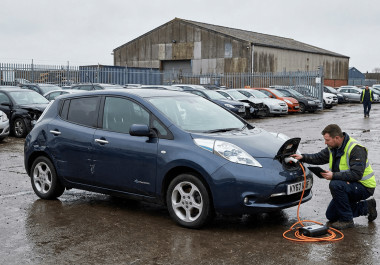
Visiting an auction compound means the buyer secures restricted physical access to the vehicle for a highly specific time window. The commercial operator does not receive a trained mechanic's diagnostic report or a digital fault code readout. The buyer simply receives permission to examine the physical chassis and, occasionally, the opportunity to ignite the engine if the keys are present.
The standard compound visit typically allows trade professionals to execute the following tasks:
-
Visually examine the bodywork and paintwork for damage omitted from the digital listing.
-
Check the interior cabin condition, assessing seats, electronic switchgear, and load spaces.
-
Start the engine to listen for irregular mechanical noises or observe dashboard warning lights.
-
Inspect under the bonnet for obvious fluid leaks, battery degradation, or visible structural trauma.
-
Examine the tyre treads for uneven wear patterns or severe sidewall damage.
-
Review any physical documentation left inside the vehicle, such as historic service books.
The visit strictly prohibits taking the asset for a test drive, elevating the vehicle on a hydraulic ramp, or plugging in advanced diagnostic scanning equipment. Most viewing windows are strictly limited to between 15 and 30 minutes. This provides sufficient time to validate the digital listing and spot major red flags, but it remains insufficient for conducting a complete mechanical teardown.
Why Auction Houses Offer This Service
Inspections serve the commercial interests of all parties involved in the transaction. They reduce post-sale disputes, increase bidder confidence, and help vehicles secure appropriate market values. When commercial operators know exactly what they are acquiring, they are significantly more likely to follow through with the final payment and logistical collection.
Booking an auction viewing slot prevents scenarios where a buyer wins a high-value Category S asset assuming cosmetic damage, only to discover severe chassis rail distortion upon delivery. Refusing the lot post-auction forces the gateway to relist the vehicle, costing the buyer their deposit and creating severe administrative delays. Transparency benefits the entire sector. Secure facilities strongly prefer that buyers walk away before placing a bid rather than winning the lot and refusing to release the funds. Providing physical access maintains the integrity of the broader market, ensuring participants operating across digital vehicle auctions leave accurate feedback that improves the overall quality of commercial intelligence.
What to Actually Check During the Restricted Slot
Executing a 20-minute evaluation on a vehicle that might hide expensive problems requires extreme commercial focus. Utilizing that limited time effectively requires prioritizing major functional components over known cosmetic faults.
Bodywork and Panel Inspections
Professionals immediately run their hands along panel gaps. Uneven spacing or misaligned doors strongly suggest previous accident damage that was rectified poorly. Buyers must look for paint overspray on rubber seals or window trims, as this acts as definitive proof of historical resprayed panels.
Checking for ripples in the metalwork along bonnets and doors indicates heavy application of plastic filler. While filler is not automatically a deal-breaker for older commercial assets, it heavily suppresses the final retail valuation and must be factored into the maximum bid ceiling.
Engine Bay Assessment
Opening the bonnet allows buyers to hunt for fresh fluid stains. Oil leaks cascading around the head gasket or gearbox represent highly expensive rectifications. Checking the coolant reservoir provides vital intelligence; rusty or entirely empty reservoirs heavily suggest chronic overheating issues.
Evaluating the engine oil condition is mandatory. If the dipstick reveals thick, contaminated fluid resembling chocolate milk, the engine likely suffers from a blown head gasket. Unless the buyer requires the asset strictly for external body parts, severe fluid contamination signals a project to abandon.
Interior Condition Checks
Sitting in the driver's seat allows trade buyers to verify if the physical wear patterns match the recorded digital mileage. A commercial van displaying 40,000 miles should never feature a worn-through steering wheel or completely polished pedal rubbers. Excessive cabin degradation strongly suggests the vehicle has been historically clocked.
Testing every electronic switch and control provides further insight. Whether evaluating electric windows, air conditioning units, or central locking systems, any feature that fails during the viewing must be added to the projected repair budget.
Tyres and Suspension Testing
Checking tread depth across all four corners is a standard procedure. Uneven wear along the inside edges indicates severe alignment issues or degraded suspension geometry. If a commercial operator is acquiring a van for immediate fleet deployment, they must budget between £400 and £600 for a full set of commercial-grade tyres if the current rubber is severely compromised.
Applying downward pressure on each corner of the vehicle tests the basic suspension integrity. If the chassis bounces excessively, the shock absorbers require immediate replacement. While inexpensive on standard hatchbacks, replacing specialized suspension components on heavy commercial vehicles rapidly depletes working capital.
Vehicle Documentation Review
If the physical service book is present in the glovebox, buyers must verify the stamps. Independent garage stamps provide adequate history, but completely missing service records on an ex-fleet commercial vehicle acts as a severe warning sign regarding mechanical neglect.
The Limitations Operators Must Understand
Inexperienced participants occasionally treat the compound visit like a comprehensive garage pre-purchase check. This expectation is entirely false. Trade buyers operate without diagnostic equipment or specialist alignment tools. The evaluation relies entirely on visual assessments and basic mechanical experience.
Because test drives are strictly prohibited, buyers cannot verify how the gearbox behaves under heavy load or whether the braking system pulls aggressively to one side. This mechanical uncertainty represents the inherent commercial gamble when acquiring salvage inventory. Furthermore, environmental factors severely impact the viewing quality. Inspecting a black chassis in bright sunlight obscures subtle paint defects, while heavy rain easily masks fresh oil leaks. Operators evaluating assets across regional hubs, such as vehicle auctions in the North West, must adjust their commercial expectations if the weather actively hinders a thorough visual assessment.
Who Should Actually Book an Inspection
Not every digital listing warrants an in-person compound visit. If a commercial operator targets a Category B vehicle purely to extract the transmission, scheduling a physical visit is rarely an efficient use of working capital. In such cases, if the required components prove unviable upon delivery, the operator simply utilises an independent scrap my car service to liquidate the remaining shell.
However, when deploying serious working capital on a repairable salvage vehicle intended for retail forecourt sale, the physical visit becomes essential. Trade buyers consistently schedule inspections because they understand that digital descriptions occasionally omit subtle details. A professional operator will happily travel for a 20-minute viewing because confirming the structural integrity prevents them from acquiring a mathematically unviable liability.
How to Book and What to Expect
Most digital platforms allow trade buyers to request an auction viewing slot through the secure digital portal. Participants must be fully registered and verified prior to arriving, as secure compounds strictly prohibit casual browsers who have not committed to the professional bidding process.
Trade buyers typically receive a choice of specific time windows during the week preceding the auction close. Arriving promptly with proper photo identification is mandatory. Secure compounds operate on rigid logistical schedules, and late arrivals frequently forfeit their allocated time.
Visitors must expect basic industrial facilities. Storage compounds are active logistical hubs rather than retail showrooms. The target vehicle will likely be parked tightly among dozens of other damaged assets. Commercial operators always dress appropriately for active industrial environments and bring high-powered torches to illuminate dark undercarriage areas.
What Happens When Attendance is Impossible
Commercial operations frequently encounter scheduling conflicts that render physical attendance impossible. When a highly desirable asset is located hundreds of miles away across vehicle auctions in Scotland, the logistical cost of travelling often outweighs the potential profit margin.
When physical viewing is impossible, trade professionals rely entirely on the digital media provided. Buyers must study every high-resolution photograph forensically, actively looking for what is deliberately excluded from the frame just as closely as what is shown. Crucially, operators buying blind must implement a strict risk premium. Disciplined buyers automatically reduce their maximum calculated bid by 10 to 20 percent to absorb the inevitable secondary faults that a physical inspection would have revealed.
The Difference Between Inspection and Valuation
A frequent administrative error involves confusing a pre-bid inspection with a professional market valuation. They represent entirely different commercial metrics.
An inspection simply reveals the physical condition of the asset, highlighting what is broken and what requires immediate workshop attention. A valuation determines what the vehicle is financially worth in the current retail market, factoring in historical depreciation and regional demand. A trade professional might physically inspect a Category S vehicle, confirm it has been expertly repaired, and still lose working capital if they miscalculate the depressed market value of the permanent salvage marker.
Common Mistakes During Inspections
During compound visits, trade professionals frequently witness inexperienced participants making identical strategic errors.
Focusing exclusively on cosmetic issues detailed in the digital listing wastes valuable time. If the lot description explicitly states the front bumper is shattered, dedicating five minutes to examining the cracked plastic achieves nothing. That time is better spent evaluating the underlying radiator support structure.
Ignoring basic fundamentals is equally dangerous. Participants often spend extensive time examining paint depth while forgetting to check if the boot floor exhibits structural rippling. Maintaining a strict, prioritized checklist prevents buyers from becoming distracted by minor cosmetic flaws. When evaluating specialized stock, such as analyzing active motorcycle auctions, failing to check frame alignment marks while focusing purely on scratched fairings guarantees a disastrous acquisition.
When the Inspection Reveals Problems
When a physical viewing uncovers severe issues omitted from the digital listing, the commercial operator must adjust their strategy immediately. If the vehicle possesses a Category N designation but the physical inspection reveals a heavily twisted chassis rail, the projected repair budget instantly collapses.
In these scenarios, the professional response involves recalculating the maximum bid to reflect the new mathematical reality. If the required structural rectifications push the total acquisition cost beyond the asset's post-repair retail value, strict commercial discipline dictates walking away entirely. There is always another profitable opportunity entering the digital ecosystem, and preserving working capital is paramount.
Making the Inspection Work for the Buyer
Ultimately, a pre-bid inspection operates as a strategic commercial tool rather than a guaranteed safety net. Its value depends entirely on the buyer's ability to maintain a methodical approach and suppress emotional bidding impulses.
Treating the compound visit as an opportunity to validate data, spot undisclosed liabilities, and refine the maximum bid calculation ensures the commercial operator remains profitable. The most successful trade buyers in the sector are not those who win every auction; they are the highly disciplined operators who know exactly when to walk away from a fundamentally flawed chassis.
If trade professionals require assistance with account verification or have questions regarding tier-based buyer fees, please contact our customer support team for immediate guidance.
To apply this professional due diligence to live inventory and build a highly profitable acquisition strategy, secure auction bidding access today.
Once registered, professionals can immediately evaluate the extensive catalog of trade inventory available across the RAW2K digital gateway.