Salvage car transportation costs typically range from £150 to £800 within the UK, depending on distance, vehicle condition, and collection urgency. Understanding transportation costs for salvage cars before bidding prevents unwelcome surprises that can turn a bargain salvage purchase into an expensive mistake.
The price you pay to move a salvage vehicle often represents 15-30% of your total acquisition cost. For a Category S salvage car purchased at £3,000, salvage car transport might add £300-£600 to your final bill. This percentage increases dramatically for lower-value salvage lots, where a £500 vehicle could require £200 in transport costs. When calculating true acquisition expenses through RAW2K, transportation costs for salvage cars must factor into your bidding strategy from the start.
Distance: The Primary Cost Driver
Transportation companies charge primarily by mileage. A short-haul move of 50 miles costs £150-£250, while cross-country salvage car transport from Cornwall to Scotland runs £500-£800. Most UK salvage buyers pay £2.50-£4.00 per mile for professional recovery services.
Regional auctions offer significant savings. Purchasing salvage vehicles within 100 miles of your location cuts transportation costs by 60% compared to nationwide shopping. Buyer data shows that successful salvage resellers limit 80% of their purchases to their home region specifically to control transportation expenses. Browse vehicle auctions in your area to minimise distance-related costs.
Distance calculations include the recovery vehicle's return journey, not just the one-way mileage to your location. A transporter collecting your salvage car from Birmingham to Manchester doesn't charge for 88 miles, they charge for 176 miles round trip. This explains why vehicle shipping costs often seem double what basic mileage calculators suggest.
Understanding Per-Mile Pricing
The per-mile rate varies based on several factors beyond simple distance. Urban routes with heavy traffic command higher rates (£3.50-£4.00 per mile) compared to motorway-heavy journeys (£2.50-£3.00 per mile). Transporters factor in fuel consumption, travel time, and route complexity when calculating vehicle shipping costs.
Multi-drop collections, where transporters collect several vehicles along one route, offer economies of scale. If your salvage car transport can be combined with other collections, rates may drop to £2.00-£2.50 per mile. However, this flexibility means accepting longer collection windows as transporters optimise their routes.
Vehicle Condition Affects Transportation Methods
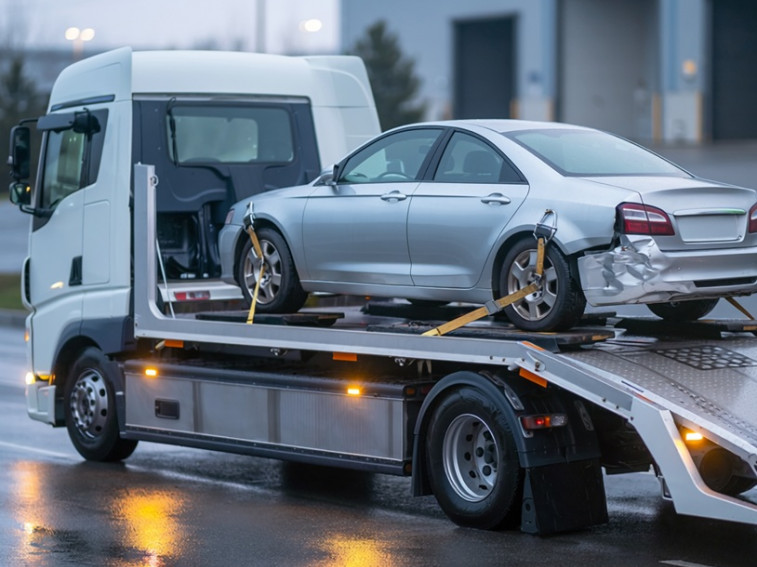
Non-runners require flatbed recovery or specialist trailers, increasing salvage car transport costs by 30-50% over standard towing. A driveable Category N salvage car with cosmetic damage costs £200 to transport 100 miles, while a non-starting Category B wreck over the same distance runs £300-£350.
Vehicles with significant structural damage need careful securing to prevent movement during transport. This additional labour adds £50-£100 to your quote. Transporters spend extra time positioning wheel straps, securing loose panels, and ensuring damaged suspension components won't shift during the journey. When browsing car auctions, always clarify whether vehicles are runners to accurately estimate vehicle shipping costs.
Fire-damaged salvage requires specialist handling due to structural weakness and potential hazardous materials. These vehicles command premium rates, expect 40-60% higher costs than standard salvage car transport. The transporter assumes additional liability and must use specific securing methods to prevent collapse during movement.
Special Handling Requirements
Certain salvage vehicles demand additional considerations that affect transportation pricing. Vehicles missing wheels need trolleys or dollies, adding £30-£50 to collection costs. Cars with deployed airbags obscuring the driver's position cannot be driven aboard car transporters, requiring winching or manual loading that increases labour time.
Vehicles with broken glass present safety hazards during transport. Professional transporters must secure loose glass, cover openings, and take precautions against further damage. This duty of care, whilst necessary, adds 15-20 minutes to collection time, reflected in higher quotes for extensively damaged vehicles.
Timing and Urgency Premium
Standard collection within 5-7 working days costs 20-30% less than next-day service. Auction houses typically allow 7-10 days for vehicle removal before charging storage fees of £10-£25 daily. Plan collection to avoid both urgency premiums and storage penalties.
Same-day or next-day collection adds £75-£150 to standard salvage car transport rates. This premium compensates transporters for route disruption and scheduling challenges. Flexible collection timing saves buyers £80-£120 per vehicle on average.
Weekend and evening collections carry surcharges of £50-£100. Most salvage transporters operate Monday-Friday during business hours. Requesting collection outside these times requires paying premium rates for specialist availability.
Seasonal Variations
Vehicle shipping costs fluctuate seasonally. Winter months see increased demand due to accident frequency, pushing prices 10-15% higher than summer rates. December and January particularly experience premium pricing as transporters handle increased volumes whilst managing reduced operating hours around holidays.
Summer provides optimal conditions for salvage car transport. Longer daylight hours allow transporters to complete more collections daily, improving efficiency and reducing per-vehicle costs. Buyers purchasing during May-September often secure better rates through increased transporter availability.
Hidden Costs That Increase Final Bills
Storage fees accumulate quickly if you can't arrange prompt collection. Salvage auction sites charge £15-£25 daily after the grace period expires. A week's delay adds £105-£175 to your costs, potentially exceeding the transportation quote itself.
Some auction houses require specific collection documentation or advance notice periods. Missing these requirements triggers administrative fees of £25-£75. Read collection terms carefully before bidding to avoid these preventable charges that inflate vehicle shipping costs.
VAT applies to all professional salvage car transport services at the standard 20% rate. Quotes excluding VAT appear attractive until you calculate the final bill. A £300 quote becomes £360 after VAT, verify whether quotes include or exclude this cost.
Demurrage Charges
Transporters allocate specific time windows for loading and unloading. Exceeding these windows, typically 30-45 minutes, triggers demurrage charges of £25-£50 per hour. Ensure your delivery location has adequate space and assistance for prompt unloading to avoid these penalties.
Some salvage yards impose collection slot requirements, booking specific times for transporter access. Missing your allocated slot may require rescheduling, adding days to collection timelines and potentially incurring storage fees. Coordinate carefully between transporter schedules and auction house requirements.
Insurance and Liability Considerations
Professional transporters carry goods-in-transit insurance covering your salvage vehicle during movement. This protection typically covers £5,000-£10,000 per vehicle. Verify insurance levels before booking, particularly for higher-value salvage lots from featured auctions.
Unlicensed transporters or "mate with a trailer" arrangements save money initially but expose you to significant risk. Without proper insurance, you're liable for any damage during salvage car transport plus potential fines if the transporter lacks appropriate licensing. The £100 saved rarely justifies the exposure.
Some salvage vehicles require DVLA notification before road movement, even on trailers. Category A and B vehicles face strict movement restrictions. Professional transporters understand these regulations; amateur arrangements often don't, potentially creating legal complications.
Liability Limitations
Read transport contracts carefully regarding liability limitations. Many transporters exclude pre-existing damage from coverage, protecting only against additional damage during transit. Document your salvage vehicle's condition photographically before collection, providing evidence if disputes arise about transport-related damage.
Higher-value salvage vehicles may require additional insurance beyond standard goods-in-transit coverage. Discuss extended cover options with transporters when vehicle shipping costs for premium salvage exceed £10,000. The additional premium (typically £50-£100) provides valuable protection for significant investments.
Comparing Transport Quotes Effectively
Request itemised quotes showing base rate, mileage charges, VAT, and any additional fees separately. This transparency reveals where costs accumulate and helps identify inflated quotes. A legitimate transporter provides full breakdowns without hesitation.
Three comparable quotes establish fair market rates for your specific job. Price variations exceeding 40% between quotes suggest either premium service levels or potential quality concerns. The cheapest quote isn't always the best value, balance cost against reputation and insurance coverage.
Specialist salvage transport companies often charge 10-15% more than general recovery services but deliver superior expertise. They understand auction collection procedures, have established relationships with salvage yards, and carry appropriate equipment for damaged vehicles. This expertise prevents delays and complications that cost more than the initial savings.
When evaluating transportation costs for salvage cars across different regions, search salvage vehicle listings where auction terms are transparent, including collection policies and fees. Understanding these terms prevents salvage car transport surprises.
Regional Price Variations
London and Southeast England transport costs run 15-25% higher than Northern regions due to congestion charges, higher operating costs, and increased demand. Moving a salvage car 100 miles in the Southeast costs £280-£350 versus £220-£280 for equivalent distance in Yorkshire or Wales.
Scotland adds complexity due to distance from major salvage auction centres. Salvage car transport from England to Scottish locations carries premium rates, expect £600-£800 for movements from the Midlands northward. Scottish buyers achieve better value purchasing from regional salvage auctions rather than importing from southern England.
Rural collections add £50-£100 to standard vehicle shipping costs. Transporters charge extra for difficult access, narrow lanes, and extended travel to remote locations. Salvage vehicles at rural accident locations or isolated storage yards cost more to collect than those at major auction centres with easy access.
Island and Ferry Considerations
Northern Ireland and Isle of Wight collections involve ferry crossings that significantly impact vehicle shipping costs. Ferry fees add £80-£150 to standard mainland rates, plus transporters must factor in sailing schedules that affect their operational efficiency. Salvage vehicles on islands require careful cost analysis before bidding.
Channel Islands present extreme challenges for salvage car transport. Limited transporter availability and expensive shipping mean costs can exceed £1,000 for vehicles that would cost £300 on the mainland. These locations generally suit only high-value salvage where transportation represents a smaller percentage of total investment.
Volume Discounts and Regular Buyer Benefits
Transporters offer 15-20% discounts for multiple vehicle movements. Coordinating collection of 2-3 salvage vehicles simultaneously reduces per-unit costs significantly. A single vehicle costing £250 to transport might drop to £200 each when moving three vehicles on one trip.
Regular buyers establish relationships with preferred transporters, securing preferential rates and priority scheduling. Negotiated standing rates with transport partners save 20-25% versus spot market prices. This relationship-building makes economic sense for anyone purchasing 10+ salvage vehicles annually.
Monthly retainer arrangements with transporters guarantee availability and lock in rates, protecting against price increases. For high-volume salvage dealers exploring van auctions and commercial categories, these agreements provide cost certainty and operational reliability worth the commitment.
DIY Transport: When It Makes Sense
Hiring a car trailer costs £60-£100 daily, making DIY salvage car transport economical for nearby salvage vehicles if you have appropriate towing equipment. A 40-mile collection becomes £80 total versus £180-£220 for professional service.
Your vehicle must have adequate towing capacity and appropriate insurance coverage. Towing a 1,500kg salvage car requires a vehicle rated for at least 1,800kg towing capacity plus trailer weight. Exceeding your vehicle's limits voids insurance and creates dangerous driving conditions.
Recovery truck rental costs £150-£250 daily but suits multiple short-distance collections. Collecting three local salvage vehicles in one day costs £250 total versus £450-£600 for professional transport. The economics work when you have the time, appropriate licence, and mechanical confidence.
Legal Requirements for DIY Transport
Ensure your driving licence covers the combined weight of towing vehicle, trailer, and salvage car. Post-1997 licence holders face restrictions on towing without additional B+E entitlement. Driving overweight or without proper licensing risks £1,000 fines and licence penalty points.
Trailer lighting, brakes, and safety chains must meet legal standards. Hiring equipment from reputable suppliers ensures compliance, whilst borrowing informal trailers risks using inadequate equipment. The £30-£40 extra for professional trailer hire provides legal protection and safety assurance worth the investment.
Calculating True Acquisition Costs
Add vehicle shipping costs to your maximum bid before entering auctions. A £2,000 salvage car requiring £400 transport actually costs £2,400, this total must leave sufficient margin for repairs and profit. Inexperienced buyers focus solely on winning bids, then discover transportation costs eliminate their margin entirely.
Calculate cost per mile for your intended use. A salvage car purchased for parts might justify £500 transport if it contains £2,000 worth of components. A vehicle for repair and resale needs tighter cost control, salvage car transport shouldn't exceed 10-15% of projected resale value.
Factor storage fees into timing calculations. Delaying collection to find cheaper transport often costs more in daily storage charges than the transportation savings. A £50 saving on transport disappears quickly when storage fees run £20 daily. Understanding these dynamics helps when browsing truck auctions and heavier vehicle categories.
Negotiating Better Transportation Rates
Book salvage car transport immediately after winning auctions rather than waiting. Transporters offer better rates for advance bookings with flexible timing versus last-minute urgent requests. This planning saves 15-20% on average.
Provide accurate vehicle information upfront. Discovering a "runner" is actually a non-starter on collection day triggers surcharges of £50-£100. Honest descriptions prevent disputes and additional costs.
Establish pickup and delivery locations that minimise transporter complications. Salvage vehicles going to easily accessible locations with loading equipment cost less to deliver than residential addresses with restricted access. Specifying main workshops for deliveries rather than satellite locations saves £30-£50 per vehicle through simplified logistics.
Conclusion: Managing Transportation Costs Strategically
Transportation costs for salvage cars represent a significant component of salvage car acquisition, typically adding £150-£800 to purchase prices depending on distance, vehicle condition, and urgency. Successful salvage buyers calculate these vehicle shipping costs before bidding, understanding that a bargain purchase price means nothing if transportation expenses eliminate profit margins.
Distance drives base costs at £2.50-£4.00 per mile, but vehicle condition, timing, and regional factors significantly impact final bills. Non-runners cost 30-50% more for salvage car transport than driveable vehicles, while urgent collections and weekend services add £75-£150 in premiums. Hidden costs like storage fees, VAT, and documentation charges increase expenses further.
Professional transporters provide insurance coverage and regulatory compliance worth the investment over unlicensed alternatives. The £100 saved using amateur transport services exposes you to thousands in potential liability. Request itemised quotes from three providers, verify insurance levels, and choose based on value rather than lowest price alone.
Strategic approaches reduce vehicle shipping costs substantially. Regional purchasing cuts transportation costs by 60%, while volume discounts and established transporter relationships save 15-25% for regular buyers. DIY transport makes economic sense for nearby vehicles when you have appropriate equipment and capability.
When exploring opportunities across different vehicle categories, browse all cars, explore motorcycle auctions, and view machinery auctions to understand how salvage car transport costs vary by vehicle type and category.
Calculate total acquisition costs, purchase price plus transportation, before bidding. This discipline prevents expensive mistakes where winning bids become losing propositions once you add vehicle shipping costs. The most successful salvage buyers view transportation as an integral part of acquisition strategy, not an afterthought once they've won an auction.
When you're ready to begin your salvage purchasing journey and understand the full cost implications, register to bid on our platform. For detailed guidance on calculating transportation for your specific situation, contact us for market-specific advice on managing salvage car transport effectively.