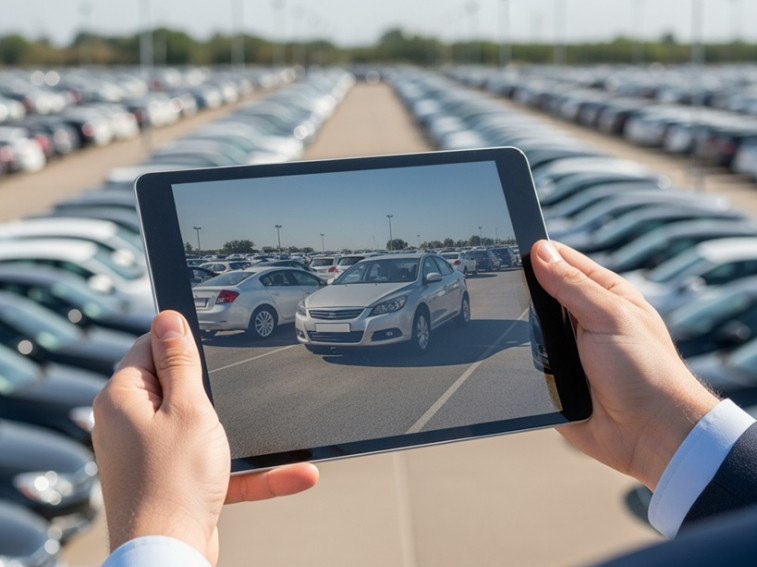
New buyers frequently ask whether they should register as a commercial trade entity or as a standard public buyer when entering the digital marketplace. This initial decision is far more impactful than a simple administrative checkbox; it fundamentally shapes everything from the specific vehicles you are legally permitted to bid on to how much your final invoice will cost. Getting this registration wrong means either being permanently locked out of the most profitable stock or unnecessarily overpaying on taxes and fees before the auction has even started.
Both account structures are utilized successfully every single day, but they are designed for entirely different operational purposes. Trade registration offers immense, distinct competitive advantages for high-volume buyers, while public accounts provide a streamlined, heavily supported path for personal weekend projects. Understanding precisely which structure suits your specific financial needs can save thousands of pounds over a calendar year of active buying. The overarching trade buyer salvage auction benefits are undeniably substantial, but they are inextricably linked to strict legal requirements, operational responsibilities, and tax liabilities.
What Actually Defines a Trade Account
A professional trade account is not simply available to anyone who harbours a casual desire to flip a few cars on their driveway for weekend cash. To secure this elevated status, you must provide undeniable proof of operating a legitimate, active business that buys, repairs, or dismantles vehicles regularly. Most enterprise-level platforms strictly require official company incorporation documents, valid motor trade insurance certificates, and concrete evidence of commercial trading premises or a heavily verified registered business address.
This rigorous documentation process typically includes submitting a business registration certificate directly from Companies House, a comprehensive motor trade insurance schedule detailing your specific cover, and frequently, proof of membership to a recognized automotive trade association. Independent garages, franchised dealers, mechanics running active repair shops, and vehicle flippers with proper, formalized business structures all easily qualify. This intense vetting process is the auction house's way of separating genuine commercial professionals from ambitious hobbyists. It ensures that the buyers accessing highly complex, heavily damaged salvage possess the legal framework, technical capacity, and environmental licenses required to handle those assets safely and legally.
Access to Stock: Where the Real Division Happens
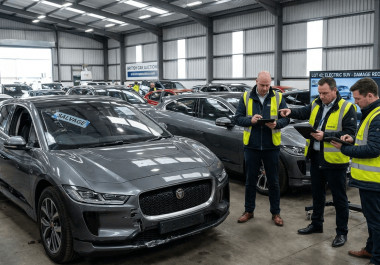
This specific area is precisely where trade registration earns its immense value. At most major salvage auctions, a highly significant percentage of the total available vehicles are strictly listed behind trade-only barriers. These are not necessarily superior cars, but they are the specific units that make commercial sense for professional buyers operating on tight margins.
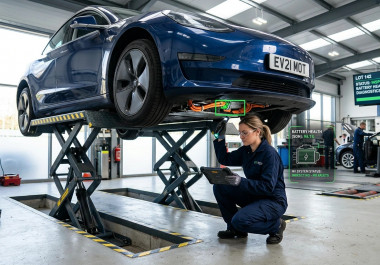
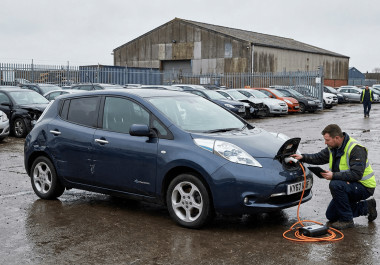
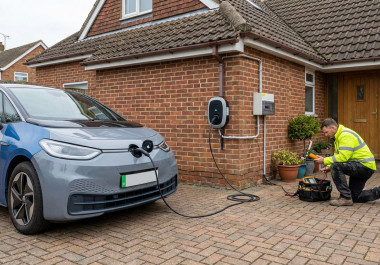
Trade-only lots typically include vehicles that require specialist technical knowledge to evaluate, assets that completely lack certain vital documentation like the V5C logbook, or shells that require structural work that is beyond what most private individuals can legally or safely complete on a public road. Furthermore, modern complexities like damaged high-voltage Electric Vehicles (EVs) are frequently restricted to verified trade professionals due to the severe health and safety risks associated with handling compromised battery packs. While public listings grant excellent access to the remaining stock, including plenty of highly solid opportunities like straightforward Category N vehicles with full documentation, a verified trade buyer possesses the ultimate advantage of viewing the entire, unrestricted national inventory.
VAT: The Hidden Cost That Changes Everything
The application of Value Added Tax (VAT) is where trade accounts become highly complex, but it is simultaneously the single biggest factor in maximizing long-term profitability. In standard commercial transactions, verified trade buyers pay VAT on their specific purchases. However, if the buyer possesses a valid, active VAT registration number and is legally buying that specific asset for commercial resale or dismantling, that VAT can usually be entirely reclaimed through their quarterly HMRC returns.
For legitimate trade buyers shifting serious monthly volume, this system works perfectly and drastically reduces their net acquisition costs. For a standard public buyer, the scenario is entirely different. VAT is often not charged separately on the hammer price in the same visible way, or the vehicle is sold under the complex Margin Scheme, meaning the final hammer price seen is much closer to the total price paid. Misunderstanding this crucial tax structure can lead to severe cash flow paralysis if a newly established, unverified dealer ties up thousands of pounds in capital in VAT payments that cannot be legally reclaimed for months.
Buyer's Fees and Premium Structures
Virtually all commercial salvage auctions charge a specific buyer's premium on top of the final winning hammer price to cover their operational costs. This premium typically runs anywhere between 8% and 12% for standard buyers. However, established platforms frequently offer heavily reduced, automated volume-based fee tiers for verified trade buyers who consistently shift serious numbers every single month.
If your commercial operation is actively purchasing twenty or more vehicles a month, a seemingly small percentage reduction in those buyer fees accumulates into a massive financial saving by the end of the fiscal year. While public buyers occasionally face slightly higher premium percentages to cover the additional administrative support they require, the true cost difference between the accounts stems primarily from the specific VAT treatment and the exclusive access to lower-priced, wholesale trade stock that is entirely unavailable to the general public.
Bidding Limits and Deposit Requirements
Professional trade accounts inherently come with significantly higher financial bidding limits and entirely different deposit structures. A standard public buyer will almost always need to prove available funds or physically pay a substantial cash deposit into a holding account before the platform will allow them to bid on high-value items like luxury SUVs or heavy commercial machinery.
Unlocking these elevated limits is one of the premier trade buyer salvage auction benefits, allowing you to operate without constant financial friction. This difference is entirely based on trust, volume, and an established track record. A commercial garage that has successfully bought and paid for two hundred vehicles through a specific platform has an undeniable, proven payment history. A first-time public buyer attempting to bid £15,000 on a Range Rover presents a massively higher risk of non-payment to the auction house, hence the strict requirement for upfront financial friction.
Documentation and Post-Sale Support
Trade buyers receive entirely different post-sale documentation because they are legally expected to handle the administrative side of the transaction themselves. They will receive the V5C logbook if it is present, any available service history books, and the physical keys upon collection. However, they absolutely do not receive step-by-step hand-holding through the DVLA notification process or advice on securing temporary insurance for transport.
Public buyers generally receive significantly more administrative support because the auction platform understands they are less experienced in automotive transactions. Detailed, step-by-step guides on exactly how to notify the DVLA of the change of keeper or how to apply for a new V5C are standard practice for consumer accounts. The trade-off for this lack of support is raw operational speed; trade buyers can coordinate their logistics much more efficiently, rapidly arranging collection from massive regional hubs using their own multi-car transport networks and established routing schedules.
Which Account Type Actually Suits You
If you are currently running a commercial garage, operating as an independent dealer, or flipping vehicles as a legally registered business entity, securing full trade registration is absolutely non-negotiable. The exclusive access to restricted stock, the immense financial benefit of VAT reclaim, and the elevated, frictionless bidding limits more than justify the initial paperwork required to set the account up.
Conversely, if you are a DIY mechanic buying a single project car or browsing damaged motorcycles for a winter rebuild, standard public registration makes significantly more financial sense. You completely avoid the heavy complexities of VAT returns or needing a VAT registration number, and you still gain access to plenty of excellent, repairable stock while keeping your buying process remarkably simple. Attempting to artificially register as a trade entity without operating a genuine, verifiable business almost always leads to paying VAT that cannot be reclaimed and facing severe scrutiny from the underwriting team.
The Grey Area: Semi-Professional Buyers
There is a massive, highly populated grey area within the industry where talented mechanics or ambitious hobbyists buy, repair, and sell vehicles frequently, but entirely without a formal corporate structure. Legally speaking, buying multiple vehicles with the explicit intention to repair and resell them for a financial profit technically makes you a commercial trader in the eyes of HMRC, regardless of whether you have an official company name or not.
However, most major auction platforms will strictly not allow you to finalize a trade registration without providing proper, formal business documentation. Those unsure about realistic vehicle values before registering a formal business can always cross-reference scrap prices online to accurately gauge their absolute worst-case scenario profit margins before committing capital. The eventual tax implications of trading vehicles casually can be incredibly severe, and your specific auction account type is entirely secondary to your baseline legal tax compliance.
Real-World Cost Comparison
To understand the difference, consider a straightforward Category N commercial van listed at a £4,000 hammer price. A verified trade buyer pays the VAT on top of the hammer price and a buyer's premium, but they subsequently reclaim that VAT through their business accounts, resulting in a significantly lower true net cost for the asset.
A public buyer pays the buyer's premium but absolutely cannot reclaim the VAT if it is charged, or they are forced to pay a Margin Scheme price which already incorporates a higher baseline cost. However, the true catch is that the highly desirable, easily repairable £4,000 trade-only van might never appear on the public listings in the first place. You can browse current salvage vans on the open listings to compare public retail expectations against these wholesale trade pricing trends. In this common scenario, exclusive trade access saves the buyer money not just on the administrative fees, but on the foundational base price of the actual asset.
Making the Switch
Many buyers successfully start their journey using a standard public account and eventually move to full trade status as their buying volume organically increases. Established platforms like RAW2K heavily encourage this transition once a business is legally established and the proper documentation is meticulously gathered.
If you are a newly registered business ready to make the jump, ensure you have your official VAT registration number and insurance documents ready before you begin the application. To truly leverage the maximum trade buyer salvage auction benefits, ensuring your paperwork is pristine before applying will prevent frustrating delays. Moving backwards from a trade account to a public account is vastly less common but entirely possible if you are formally closing down your automotive business. Just remember that once your trade status is officially dropped, regaining it in the future requires going through the entire rigorous verification process completely from scratch.
The Bottom Line
Trade registration distinctly benefits serious, professional buyers who consistently shift heavy volume and possess the administrative capacity to manage complex VAT returns. Public accounts perfectly suit everyone else. The absolute best stock does not always sit exclusively behind trade barriers, and well-educated public buyers consistently find excellent, highly profitable value on the open listings.
Your specific account type should strictly match your actual, provable buying pattern and your current legal business structure. Whether you are a volume dealer utilizing restricted dealer-only auctions or a private enthusiast, technical knowledge combined with the correct account type sets the foundation for a successful purchase.
If you are ready to expand your buying power and streamline your daily operational cash flow, complete your auction registration to begin the verification process and explore the national inventory.
Should you have specific queries regarding acceptable proof of trading or need to understand how long the verification process takes, please feel free to contact our registration team for completely confidential, professional guidance.