The salvage market isn't what it used to be. Twenty years ago, you could rock up to an auction, pick up a Cat C for buttons, slap some parts on it, and watch your margin grow like weeds in a car park. These days? Competition's fierce, prices have climbed, and the buyers who thrive are the ones who've sharpened their game to a razor's edge.
If you're in the trade, you already know the basics. But knowing and maximising margins on salvage purchases are two different things. The difference between a decent month and a brilliant one often comes down to the small decisions - the vehicles you pass on, the ones you chase, and how you manage everything in between.
Understanding What You're Actually Buying
Salvage categories aren't just labels. They're your first filter for profitability, and getting them wrong costs money fast.
Category S vehicles have sustained structural damage. Think crumple zones, chassis rails, suspension mounting points. These need proper repair and certification, which means higher costs and longer turnaround times. Your margin sits in the gap between purchase price, repair costs, and resale value - and that gap shrinks quickly if you've misjudged the work involved.
Category N covers non-structural damage. Could be cosmetic, electrical, or mechanical. These often represent better value for trade buyers because the repair costs are more predictable. A bumper, some paintwork, maybe a replacement airbag module - you can price these jobs accurately and move vehicles faster.
Here's where experience counts: a Cat N with electrical gremlins can eat your profit faster than a Cat S with honest panel damage. I've watched traders buy what looked like simple cosmetic jobs, only to discover wiring looms that had been chewed by rodents or water damage that had crept into every control module. By the time they'd sorted it, their margin had vanished.
The key? Inspect everything. Don't assume the category tells the whole story. It tells you where the insurance company stopped caring - not where the problems end.
The Numbers That Actually Matter
Your margin calculation should be brutally honest when evaluating salvage vehicles. Start with the hammer price, then add:
-
Auction fees (typically 5-10% plus VAT)
-
Collection or transport costs
-
Storage if you can't work on it immediately
-
Parts (always add 20% to your initial estimate)
-
Labour (your time or your technician's - both cost money)
-
Consumables (paint, welding gas, fluids)
-
MOT and certification fees
-
Marketing costs when you sell
-
Platform fees if you're selling online
Now subtract all that from your realistic sale price. Not the optimistic one you saw on AutoTrader last week - the actual price similar vehicles are achieving right now in your market.
What's left? That's your real margin. If it's less than 25-30%, you're working too hard for too little. Remember, you need buffer for the unexpected. And there's always something unexpected.
Sourcing Smart in a Competitive Salvage Market
RAW2K and similar platforms have democratised access to salvage vehicles. That's brilliant for transparency but tough for margins. When everyone can bid, prices rise.
Your edge comes from specialisation. The traders making proper money aren't generalists anymore. They're the ones who know Transits inside out, or focus on premium German saloons, or have built a reputation for immaculate restoration of classic Japanese imports.
Pick your lane. Learn everything about those vehicles - common failure points, parts availability, realistic repair times, market values across different conditions. When you browse all current vehicle auctions, you should be able to spot value in your niche within seconds while others are still reading the description.
Check auctions happening today early. The best opportunities often appear in batches that don't fit the typical buyer profile. A van trader won't chase a damaged sports car. A prestige specialist won't touch a commercial vehicle. But if you're positioned right, you'll spot opportunities others miss.
The Inspection Discipline
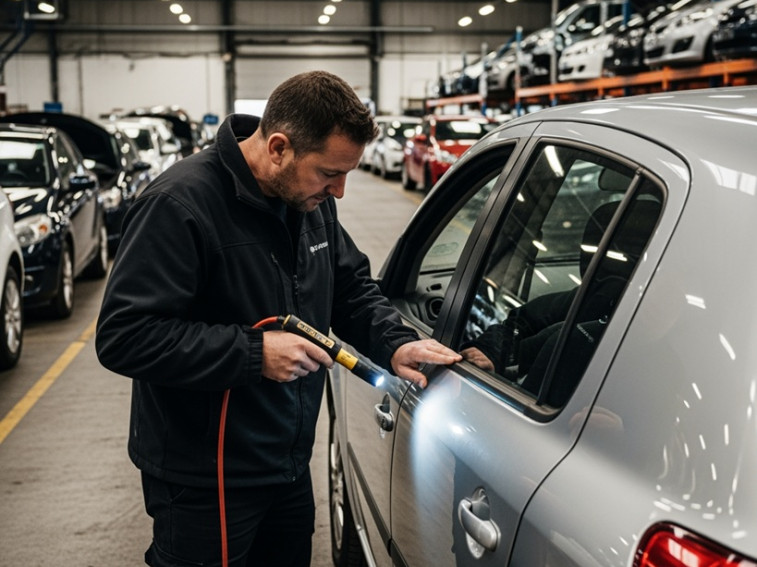
Never bid blind. I don't care how good the photos look or how detailed the description reads. You need eyes on metal.
When you inspect, work systematically:
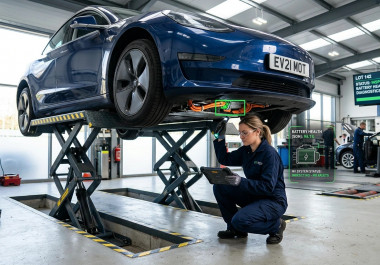
Structural integrity first. Look for poor previous repairs, evidence of multiple impacts, or damage that extends beyond what's declared. Check panel gaps, door alignment, and whether bonnets and boots sit flush. These tell you if the structure's been compromised.
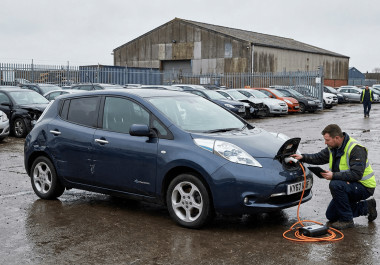
Electrical systems second. Battery disconnected? That's often hiding electrical faults. Check every switch, every warning light, every function. Electrical repairs are expensive and unpredictable - they're margin killers.
Mechanical condition third. Yes, it's damaged, but what was it like before the incident? An engine that was burning oil or a gearbox that was on its way out doesn't suddenly become viable just because you got the body cheap.
Parts availability fourth. Pull out your phone and price the major components right there. Wing, bumper, headlight, suspension arm - whatever it needs. Prices change, and that estimate you did six months ago might be worthless now.
For van auctions or truck auctions, add another layer: check the service history and operating hours if available. Commercial vehicles get worked hard, and deferred maintenance compounds fast.
Building Supplier Relationships That Actually Save Money
Your parts suppliers make or break your margins. Trade accounts at motor factors are just the starting point.
The traders I know who consistently hit 40%+ margins have spent years building relationships with breakers, specialist importers, and OEM suppliers. They get first call when rare parts come in. They get better prices because they're reliable, high-volume customers. They get parts held aside when supply's tight.
This isn't about being mates down the pub - it's about being professional, paying on time, and proving you're worth prioritising. When a breaker gets a Cat B donor vehicle in with the exact parts you need, you want to be on the speed dial list.
Second-hand OEM parts often deliver better margins than new aftermarket. The quality's there, the fit's guaranteed, and you've saved 60-70% on the parts bill. But you need suppliers who'll actually answer the phone and have proper stock systems.
The Repair Strategy
Fast repairs protect margins. Every day a vehicle sits taking up space is a day it's not earning.
Triage your work. Some jobs you can turn around in 48 hours. Others need two weeks. Match your purchasing to your capacity. There's no point buying six vehicles if you can only work on two at a time - the others just depreciate while you're busy.
Outsource intelligently. If you're not set up for paintwork, don't pretend you are. Find a local bodyshop that'll do trade work at sensible prices. Same for upholstery, smart repairs, or specialist diagnostics. Your margin gets protected when you use people who can do the job faster and better than you can.
Quality matters. Cutting corners on repairs might save you £200 today, but it'll cost you £2,000 in reputation when that vehicle comes back with problems. Trade buyers live and die on reputation. One bodge job shared in the right WhatsApp group can kill your business for months.
For motorcycle auctions or specialist vehicles, factor in longer repair times. These often need more careful work, and rushing them destroys value.
Documentation and Compliance
This isn't exciting, but it's essential. Proper documentation protects your margin by preventing comebacks and legal issues.
Every salvage vehicle needs a V5C logbook updated with the correct category marker. The DVLA needs notification of the category change, and you need proof of the repair work for the new keeper.
Photographic records of the damage and repair process aren't just good practice - they're your insurance against disputes. Take photos of everything: the initial damage, the repair stages, the finished vehicle. Store them properly.
If you're repairing Cat S vehicles, you need an engineer's report confirming the structural repairs meet safety standards. Don't use the cheapest engineer you can find - use one with a solid reputation. Their signature protects you and adds credibility when you sell.
Keep every receipt, every invoice, every parts document. When a buyer asks questions (and they will), you want answers backed by paper.
Market Timing and Sale Strategy
You can buy brilliantly and repair perfectly, but if you sell badly, your margin suffers.
Know your market cycles. Convertibles sell better in spring. Four-wheel drives move faster in autumn. Vans are year-round, but certain types peak around tax year-end when businesses are buying. Time your purchases to match these cycles.
Price realistically. Overpricing adds holding costs and depreciates the vehicle while you wait for an unrealistic offer. Check current sold prices, not asking prices. What vehicles actually achieved is what matters.
Use multiple channels. Don't rely on one platform. Trade sales, online marketplaces, and auction platforms each reach different buyers. Where you sell affects your margin as much as where you buy.
For vehicles you've sourced through online car auctions, consider whether your buyer base includes trade or retail. Trade sales are faster but lower margin. Retail takes longer but pays better. Match your strategy to your cash flow needs.
Managing Cash Flow for Maximum Flexibility
Margins on paper mean nothing if your cash is tied up in stock. The most profitable traders I know aren't the ones with the biggest stock - they're the ones who turn vehicles fastest.
Set stock limits. Decide how many vehicles you'll hold at once and stick to it. When you hit the limit, focus on selling before buying more. This discipline forces you to work efficiently and prevents capital getting trapped.
Stagger your purchases. Don't blow your entire budget on Monday's featured auctions. Spread your buying through the week so you've always got cash available for exceptional opportunities.
Build a buffer. Keep 20-30% of your working capital in reserve for the deals that appear without warning. The best margins often come from vehicles that need moving quickly - but only if you've got cash ready.
The Vehicles to Avoid
Some salvage purchases look tempting but rarely deliver decent margins. Learn to walk away.
High-mileage prestige cars with complex damage. Yes, the badge is appealing, but the parts costs are brutal and the buyer pool is tiny. Unless you specialise in these and know exactly what you're doing, leave them alone.
Flood-damaged vehicles beyond superficial water ingress. Water and electrics don't mix, and modern vehicles have electronics everywhere. You'll spend months chasing intermittent faults that destroy your margin and your sanity.
Vehicles with missing parts. If it's been stripped before auction, you're buying someone else's problem. The costs of replacing missing components quickly exceed any saving on the purchase price.
Anything you can't inspect properly. If the location's too far, the viewing times don't work, or the vehicle's not accessible, don't bid. Blind purchases are gambling, not business.
Building Long-Term Margin Growth
The traders who've survived and thrived through multiple market cycles share common traits. They've built systems, developed expertise, and created reputations that command premium prices.
Specialise deeper over time. As you gain experience with specific vehicle types, your costs drop and your speed increases. You know which parts to stock, which repairs to prioritise, and which vehicles to chase. This expertise compounds into better margins year after year.
Invest in proper facilities. Working from a rented lockup limits what you can achieve. Proper workshop space, decent tools, and adequate storage let you take on more complex repairs with better margins.
Build a buyer network. Regular customers who trust your work will pay more and buy faster. They know what they're getting. This reliability lets you price more confidently and reduces your marketing costs.
Track everything. Know your actual costs per vehicle, your average margin by vehicle type, and your turn time. Data shows you where you're making money and where you're wasting time. Gut feeling is useful, but numbers don't lie.
The Reality Check
Not every purchase will hit your target margin. Some vehicles will surprise you with hidden problems. Others will sit longer than expected. The market will shift under your feet.
Successful trade buying isn't about perfect decisions every time - it's about getting more decisions right than wrong, and making sure your winners outweigh your losers. A 70% success rate with proper margin control beats a 90% success rate with thin margins every time.
The salvage market rewards preparation, discipline, and honest self-assessment. It punishes optimism, corner-cutting, and wishful thinking. If you're buying vehicles hoping they'll work out, you're gambling. If you're buying vehicles you've assessed, priced, and planned, you're building a business.
When you explore a wide range of vehicles at RAW2K, remember that every lot represents someone else's problem. Your job is to identify which problems you can solve profitably, and which ones will solve you.
Final Thoughts
The margins are still there in salvage, but they've moved. They're hiding in specialisation, efficiency, and expertise. The days of easy money are gone - good. That means the traders who do the work properly, who invest in knowledge and systems, who build reputations and relationships, are the ones who'll thrive.
Your competition isn't other traders - it's your own discipline. Every shortcut you take, every inspection you skip, every repair you rush, chips away at your margin. The vehicles don't care about your bills or your targets. They are what they are, and they cost what they cost to fix properly.
But get it right? There's still serious money to be made. You just have to earn it properly.
If you're ready to sharpen your approach to trade salvage purchases, contact us for support from people who understand the trade buyer's perspective. And if you need to access upcoming auctions, explore our platform to find the right vehicles for your business.