You don't need a pristine showroom car to feel that rush when you hit the apex perfectly. Track day enthusiasts know this better than anyone. What you need is a solid platform, good bones, and the mechanical nous to bring it back to life.
Performance salvage cars at salvage auctions offer exactly that opportunity. They're vehicles that might have suffered cosmetic damage, minor mechanical issues, or insurance write-offs that make financial sense to fix for someone who knows their way around a workshop. For track enthusiasts, these aren't damaged goods - they're blank canvases.
What Makes Performance Salvage Cars Ideal for Track Use
Traditional track car builds start with buying a decent runner, stripping it down, and spending thousands on modifications. That's the conventional route, and it's expensive. Performance salvage cars flip this equation completely.
When you're building a track car, you're going to strip out half the interior anyway. Those damaged leather seats from a minor rear-end collision? They were coming out regardless. Cracked bumpers? You're fitting a lightweight fibreglass replacement. Suddenly, cosmetic damage that tanks a car's retail value becomes utterly irrelevant.
Category C and Category S vehicles (previously Cat C and Cat D) often have structural or cosmetic damage that's been professionally repaired or deemed repairable. For track purposes, where you're modifying the chassis anyway, these classifications matter far less than they would for a daily driver. You're not worried about resale value when you're building something to thrash around Brands Hatch.
The real beauty lies in accessing performance hardware at a fraction of retail cost. That M3's engine and gearbox are still worth having, even if the bodywork took a knock. The Subaru's drivetrain remains potent, regardless of panel damage. You're buying the mechanical DNA, not the pretty face.
Understanding Salvage Categories for Performance Builds
Not all salvage categories suit track builds equally. Understanding what each designation means helps you identify genuine opportunities rather than money pits.
Category A vehicles are crushed. They're off-limits entirely - no parts can be salvaged. These don't appear at auction as complete vehicles.
Category B vehicles can be broken for parts but never return to the road. The body shell must be crushed, though mechanical components can be salvaged. For track builders, this means potential donor engines, gearboxes, and suspension components rather than complete builds.
Category S (structural damage) vehicles have sustained damage to the structural frame or chassis. They're repairable and can return to the road with proper documentation. These require careful assessment but can offer serious value if you've got welding skills or know someone who does. Many track cars undergo chassis modifications anyway, so documented structural repairs aren't necessarily deal-breakers.
Category N (non-structural damage) represents the sweet spot for many track car builds. These vehicles have cosmetic or electrical damage without structural compromise. Think hail damage, flood-affected electrics, or collision damage limited to bolt-on panels. The chassis integrity remains intact, which matters enormously for safety and handling consistency.
Insurance companies write off vehicles based on repair cost versus market value, not whether the car is fundamentally sound. A £30,000 performance car needing £18,000 in repairs gets written off, even if those repairs are purely cosmetic. That's your opportunity when sourcing performance car auctions.
Where to Find Performance Salvage Cars
RAW2K specialises in online vehicle auctions where performance cars regularly appear. Unlike traditional salvage yards where you're picking through wreckage, online auctions present categorised vehicles with detailed condition reports and photographs. When you explore performance car auctions, you'll discover opportunities that simply don't exist elsewhere.
The platform lists everything from hot hatches to proper performance machinery. You'll find car auctions featuring BMWs, Subarus, Mitsubishis, and other marques beloved by track enthusiasts. The beauty of online auctions is transparency - you see the damage before bidding, not after you've travelled 200 miles to view it.
Physical salvage auctions still exist, but they require more legwork. You're inspecting vehicles in person, often with limited time and no mechanical assistance. Online platforms democratise the process, letting you research thoroughly before committing.
Copart and similar operations handle insurance write-offs, but they're primarily trade-focused. RAW2K opens salvage opportunities to private buyers and enthusiasts, not just dealers with trade accounts.
Assessing Performance Cars for Track Potential
Walking into a salvage auction without knowing what to look for is expensive education. Performance cars hide their problems better than cooking models because they're built to tighter tolerances.
Chassis integrity trumps everything else. Surface rust is manageable. Bent subframes or twisted chassis rails are not. Look for misaligned panel gaps, doors that don't close properly, or uneven tyre wear patterns that suggest the geometry's fundamentally wrong. If the car's been hit hard enough to affect structural alignment, you're looking at serious rectification work.
Engine condition matters more than mileage. Performance engines get thrashed - that's their purpose. Look for service history evidence, oil condition, and any signs of overheating or poor maintenance. A high-mileage engine with documented oil changes beats a low-mileage unit with no history every time.
Drivetrain components are expensive to replace. Test the gearbox for smooth shifts and no grinding. Check differentials for whining or clunking. Four-wheel-drive systems add complexity - make sure transfer cases and propshafts are intact and functional.
Suspension mounting points take enormous loads during track use. Inspect for cracks, previous repairs, or rust around where suspension components bolt to the chassis. These areas need to be absolutely solid.
Brake systems are non-negotiable for track safety. Seized callipers are fixable, but corroded brake lines or damaged ABS systems add cost quickly. Budget for a complete brake refresh regardless - you're going to need it.
Common Performance Cars at Salvage Auctions
Certain models appear regularly at salvage auctions, often because they're popular with younger drivers who've had accidents or because parts are expensive enough that insurance companies write them off readily.
BMW E46 M3s and E36 M3s are salvage auction staples. Their popularity means accident damage is common, but their robust engineering means they're often repairable. The S54 engine in the E46 is legendary, and even damaged examples hold value for their mechanical components.
Subaru Impreza WRXs and STIs appear frequently, often with front-end damage from enthusiastic driving. The boxer engine and symmetrical all-wheel drive make them superb track platforms, and parts availability is excellent.
Mitsubishi Evo VIIs through IXs command serious money in good condition, making salvage examples attractive. They're mechanically robust, and the 4G63 engine responds beautifully to modification.
Honda Civic Type Rs (EP3, FN2, and FK2 generations) show up regularly. Front-wheel-drive hot hatches take a lot of front-end impacts, but their naturally aspirated engines are bulletproof.
Mazda MX-5s of all generations are repairable, parts are cheap, and the aftermarket support is phenomenal. Salvage MX-5s often have rear-end damage from being rear-ended, which barely affects their track potential.
Ford Focus STs and Fiesta STs are increasingly common as their values depreciate. They're fantastic track platforms with strong aftermarket support and relatively simple mechanicals.
Legal Requirements and Documentation
Track cars still need proper documentation, even if you're not using them on public roads. You can't just buy a salvage vehicle and start thrashing it around a circuit without paperwork.
V5C registration documents must be updated with DVLA when you purchase a salvage vehicle. Category S vehicles require a VIC (Vehicle Identity Check) before they can be re-registered for road use. Category N vehicles don't require VIC, but you still need to inform DVLA of the damage category.
Insurance for salvage vehicles costs more than standard policies, but track day insurance is separate anyway. Most circuit operators require specific track day insurance regardless of your car's history. Factor this into your budget.
MOT certificates are required if you're driving the car to and from circuits on public roads. Salvage history doesn't exempt you from MOT requirements. If you're trailering the car, MOT becomes less critical, though many track day organisers still want to see one.
Proof of ownership and a clear title are essential. Avoid vehicles with outstanding finance or unclear ownership history. RAW2K provides documentation with auctioned vehicles, but always verify everything independently.
Building Your Track Car From Salvage
The actual build process separates successful projects from expensive failures. Start with a clear plan rather than diving in enthusiastically.
Build a realistic budget before you've even bid. Include purchase price, anticipated repairs, parts costs, tools you might need, and professional services - welding, diagnostics, dyno work. Then add 20-30% contingency. This contingency exists because salvage cars always contain surprises.
List your non-negotiable requirements. Minimum performance targets, specific handling characteristics, or particular engine outputs influence which cars make sense. You don't need the most powerful car in the paddock - you need one that meets your actual requirements and fits your budget. That discipline prevents money pits.
Start with pre-purchase inspection before committing. Travel to view the car if possible. Better yet, arrange pre-purchase inspection by a specialist familiar with your chosen model. A couple of hundred pounds spent on expert inspection prevents thousands in costly mistakes.
Have contingency for unexpected issues. The caveat is hidden damage. Budget 20-30% contingency for unexpected issues. Salvage cars surprise you, usually expensively. That £5,000 bargain becomes £8,000 when you discover suspension damage that wasn't visible in auction photos.
Common Pitfalls and How to Avoid Them
I've watched countless enthusiasts buy salvage vehicles with grand plans, only to abandon half-finished projects when reality bites. Learn from their mistakes.
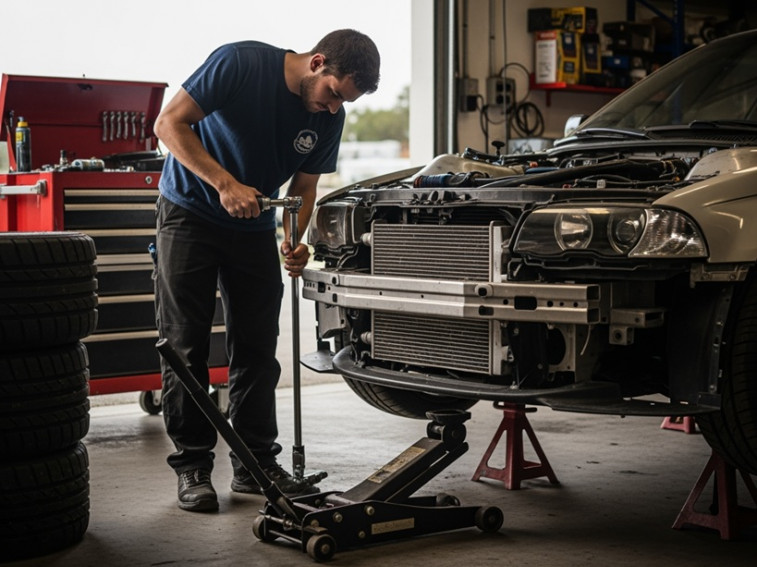
Underestimating repair costs kills more projects than anything else. Get professional estimates before bidding. That "simple" front-end repair often cascades into radiator support replacement, suspension work, and electrical repairs that weren't obvious initially.
Buying cars outside your skill level is expensive education. Be honest about your abilities. If you can't weld, don't buy a car needing chassis repairs. If you've never rebuilt an engine, don't buy one with unknown internal damage.
Ignoring parts availability creates expensive headaches. Some performance cars have dried-up parts supplies or eye-watering prices for essential components. Research this before bidding on that rare Japanese import.
Skipping pre-purchase research costs money. Spend time understanding common issues with your chosen model. Every performance car has weak points - gearbox synchros, rear subframe mounting points, head gasket issues. Know what you're looking for.
Rushing the build produces unsafe cars. Track driving exposes every shortcut and half-arsed repair. Take time to do things properly, even if it means missing a few track days.
Safety Considerations for Salvage-Built Track Cars
Track cars face forces that road cars never experience. Your salvage build must be absolutely sound before you're doing 100mph into a braking zone.
Chassis integrity is non-negotiable. Any structural damage must be professionally repaired and certified. Don't trust your own welding on critical structural components unless you're a qualified fabricator. This isn't the place for learning on the job.
Roll protection becomes essential once you're regularly on track. Many circuits require it. Budget for a proper bolt-in or welded roll cage, not some bolt-together affair from eBay. Your life depends on it.
Harnesses and seats need proper mounting. Salvage cars often have damaged mounting points that need reinforcing. Four-point or six-point harnesses require proper mounting angles and reinforcement plates.
Fire suppression isn't legally required for most track days, but it's sensible. Salvage cars sometimes have damaged wiring that increases fire risk. A plumbed-in system or handheld extinguisher could save your investment and your life.
Brake systems take enormous punishment on track. Completely rebuild the system regardless of apparent condition. New fluid, new pads, new discs minimum. Consider braided lines and upgraded callipers if budget allows.
Getting Started with RAW2K Auctions
Ready to find your track car project? Browse all cars available for auction to see what's currently listed. The platform updates regularly with new vehicles, so check back frequently if you don't find something immediately suitable.
Register to participate in bidding. The process is straightforward, and you'll need to verify your identity before placing bids. This protects both buyers and sellers from fraud.
Set search alerts for specific makes and models you're interested in. Performance cars move quickly at auction, so being notified immediately when something suitable appears gives you time to research before bidding starts.
Review the condition reports thoroughly. RAW2K provides detailed information about each vehicle's damage and category. Don't rely solely on photographs - read the descriptions carefully and note any mentioned mechanical issues.
If you're unsure about anything, contact us before bidding. Better to ask questions upfront than discover problems after you've committed to purchase.
Building Your Track Day Dream
Performance salvage cars represent genuine opportunity for track enthusiasts willing to invest time and effort. You're not buying someone else's problem - you're buying potential at a realistic price when exploring track car builds.
The path from salvage auction to track-ready car isn't quick or always straightforward. You'll discover problems you didn't anticipate. You'll spend more than you budgeted. You'll question your decisions at 11pm on a Sunday when nothing fits properly.
But when you're finally on track, heel-toeing into a corner in something you've built yourself, none of that matters. You've created a proper track car for less than half what it would have cost buying finished. You know every bolt, every modification, every repair intimately.
That knowledge makes you a better driver and a more capable mechanic. It connects you to your car in ways that buying something turnkey never could. Plus, you've got a cracking story about how you built it.
Start small if this is your first salvage project. A damaged hot hatch teaches you the process without the complexity of a turbocharged all-wheel-drive system. Learn what you're doing before tackling something exotic.
Join online communities focused on your chosen model. The collective knowledge available through forums and social media groups is invaluable. Someone's already made every mistake you're about to make - learn from them.
Budget realistically and add contingency. Nothing in the salvage world goes exactly to plan. Having financial buffer prevents you from abandoning projects halfway through when unexpected costs appear.
Most importantly, enjoy the process. Building a track car from salvage isn't just about saving money - it's about the satisfaction of creating something purposeful from something written off. Every track day becomes more rewarding when you're driving something you've genuinely built yourself.
The performance car you need might be sitting in a salvage auction right now, waiting for someone with vision to see past the damage to the potential underneath. That could be you.