Getting behind the wheel for the first time is nerve-wracking enough without worrying about whether your car's going to hold up. I've seen plenty of parents walk into showrooms over the years, looking for that perfect first car - something affordable, reliable, and forgiving of the inevitable scrapes. The conversation often turns to salvage cars for learners, and that's where things get interesting.
Salvage cars for learners can be a smart financial move if you know what you're doing. But they can also be a money pit that teaches your new driver nothing except how to deal with breakdowns. The difference comes down to understanding what salvage actually means and knowing which vehicles will serve a learner well versus which ones should be avoided entirely.
Understanding Salvage Categories And What They Mean For New Drivers
Not all salvage vehicles are created equal. The UK uses a category system that tells you exactly how badly damaged a car was before it ended up at auction. For learner drivers, this classification system isn't just bureaucracy - it's your first line of defence against buying something dangerous.
Category N vehicles suffer non-structural damage. Think cosmetic issues, electrical faults, or minor impacts that didn't touch the frame. These can be brilliant for learners because the core safety structure remains intact. A Category N car with a replaced bumper and some paintwork is mechanically sound and perfectly safe for a learner driver.
Category S vehicles have structural damage that's been professionally repaired. The chassis or frame was affected, but specialists have brought it back to roadworthy condition. These require more scrutiny but can still work for experienced learners who've mastered basic control.
Category A and B vehicles should never be considered for learner drivers. Category A cars are crushed completely, whilst Category B vehicles can only be broken for parts. If someone's offering you one of these for a learner, walk away immediately.
The sweet spot for learner drivers sits firmly in the Category N range. You're getting a car that's been written off for economic reasons rather than safety ones, often because repair costs exceeded the vehicle's pre-accident value. For a cautious buyer looking for salvage cars for learners, that's an opportunity.
What Makes A Good First Car For Someone Learning To Drive
Before you even look at salvage options for learners, you need to understand what works for new drivers. I've watched thousands of learners progress from nervous first-timers to confident drivers, and the vehicles that serve them best share common traits.
Size matters tremendously when choosing salvage cars for learners. Smaller cars with good visibility make manoeuvres easier and reduce blind spots. A learner wrestling with a large estate or SUV will struggle with spatial awareness and parking. Compact hatchbacks offer the best learning environment for salvage cars for learners.
Simple mechanics trump fancy features when selecting salvage cars for learners. Modern cars loaded with driver aids might seem safer, but they can create dependence. A learner who relies on parking sensors never develops proper mirror discipline. Basic models force good habits.
Insurance costs will shock you when researching salvage cars for learners. First-time drivers face astronomical premiums, and adding a salvage history can push rates even higher. Some insurers won't touch Category S vehicles for new drivers at all. Always get insurance quotes before committing to any salvage car purchase.
Reliability becomes paramount when someone's still mastering clutch control and gear changes. The last thing a nervous learner needs is a car that stalls randomly or has electrical gremlins. Salvage vehicles with known reliability issues multiply stress unnecessarily for learner drivers.
You'll want something with a proven track record for durability. Think Japanese manufacturers, older German basics, or simple French superminis. These cars forgive mistakes and keep running despite ham-fisted gear changes and the occasional kerb encounter when considering salvage cars for learners.
Which Salvage Vehicles Work Well For Learner Drivers
Certain salvage cars punch well above their weight for learner drivers. I've seen Category N vehicles that served families brilliantly for years, teaching multiple children to drive without a single mechanical complaint.
Small hatchbacks with minor cosmetic damage top the list for salvage cars for learners. A Ford Fiesta with a replaced door and fresh paint offers everything a learner needs - compact dimensions, easy handling, and cheap parts. The salvage history barely affects functionality whilst slashing the purchase price on salvage cars for learners.
Older models with simple technology also work beautifully for salvage cars for learners. A 2010-2015 Volkswagen Polo or Toyota Yaris that's been Category N for paintwork or trim damage gives you bulletproof reliability at a fraction of the cost. These cars were designed before manufacturers went electronics-mad.
Low-powered engines suit nervous parents as much as learners. A 1.0 or 1.2-litre petrol engine provides adequate performance without enabling dangerous speeds. Salvage examples in this category often come from older drivers who've had minor parking accidents - perfect candidates for a second life as a salvage car for learners.
Look for vehicles where the damage was clearly superficial. A cracked bumper, scratched panels, or damaged lights that required replacement parts don't affect the car's fundamental integrity. The insurance company wrote it off because repair costs exceeded book value, not because it was unsafe for learner drivers.
Browse our online car auctions to see current examples of suitable vehicles. You'll notice patterns quickly - certain makes and models appear repeatedly in Category N because they're economical to own but expensive to repair cosmetically.
Red Flags: Salvage Cars That Learners Should Avoid Completely
Some salvage vehicles look tempting on paper but spell disaster for new drivers. I've talked plenty of people out of purchases that seemed like bargains until you examined the details properly for salvage cars for learners.
Anything with flood damage should be crossed off your list immediately when considering salvage cars for learners. Water and electronics don't mix, and modern cars are essentially computers on wheels. Flood-damaged vehicles develop intermittent faults that mechanics struggle to diagnose. Imagine your learner stalling at a busy junction because corroded wiring cut the fuel pump.
High-performance models make terrible learner cars even without salvage history. Adding structural repairs to something like a hot hatch or sports car creates a vehicle that's both expensive to insure and potentially dangerous. New drivers lack the experience to handle powerful engines safely when driving salvage cars for learners.
Vehicles with airbag deployment require careful assessment for salvage cars for learners. If the bags went off, the impact was significant. Even with professional repairs, you're trusting that every safety system was properly restored. For a learner, that's an unnecessary gamble on salvage cars.
Older salvage vehicles combine two problems when considering salvage cars for learners. Age brings mechanical wear whilst salvage history adds uncertainty about repairs. A 15-year-old Category S car might seem cheap, but you're buying someone else's problems twice over.
Commercial vehicles converted to passenger use occasionally appear at auction. Unless you're absolutely certain about the conversion quality and legality, steer clear. Learners need straightforward, properly certified vehicles rather than experimental salvage cars.
Watch for vague damage descriptions in auction listings when hunting for salvage cars for learners. If the seller can't or won't specify exactly what was damaged and how it was repaired, assume the worst. Legitimate salvage vehicles come with clear histories and supporting documentation.
Inspecting Salvage Cars: What To Check Before Buying
Never buy a salvage car without seeing it in person, especially for learners. Photos hide problems that become obvious during a physical inspection. I've examined countless vehicles where the pictures looked pristine but reality told a different story.
Start with the paperwork. The V5C logbook should clearly show the salvage category. If it doesn't, or if the seller seems evasive about documentation, walk away. You're buying trouble with salvage cars for learners.
Check panel gaps and alignment meticulously when inspecting salvage cars for learners. Run your hand along body seams and look for inconsistent spacing. Poor repairs show up immediately in misaligned doors or bonnets that don't sit flush. These aren't just cosmetic issues - they indicate rushed or amateur work.
Test every electrical system individually. Windows, locks, lights, indicators, wipers, heating, radio - everything. Salvage cars often have electrical gremlins from damaged wiring that wasn't properly repaired. A learner doesn't need indicators that work intermittently on their salvage car.
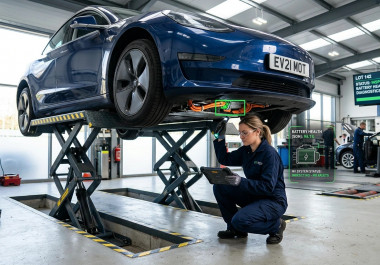
Look underneath the vehicle for signs of structural work. Fresh welding, undercoating that's newer than the rest, or mismatched parts suggest frame repairs. For Category N vehicles, you shouldn't see any of this. Its presence means the car was miscategorised or poorly repaired.
Take a mechanic you trust to any inspection. Their trained eye spots problems you'll miss. The £100 you spend on their time could save you thousands in future repairs or prevent buying an unsafe salvage car for learners.
Consider getting a professional vehicle inspection from an independent specialist. Several companies offer pre-purchase checks specifically for salvage vehicles. They'll examine structural integrity, safety systems, and repair quality in detail for learner-suitable cars.
Insurance Considerations For Learner Drivers In Salvage Vehicles
Insurance companies view salvage cars differently, and those differences hit learner drivers especially hard. You might find the perfect vehicle only to discover no insurer will cover your teenager in it at any price.
Category N vehicles are generally insurable. Most mainstream insurers will cover them for learner drivers, though they might charge slightly higher premiums. Get quotes before buying - don't assume you can insure it afterwards on a salvage car.
Category S vehicles are the problem. Many insurers simply won't insure them for new drivers at any premium. Those who will typically charge significantly more. You could buy a bargain car and discover you can't legally drive it without spending an extra £500+ annually on insurance.
Get insurance quotes for specific vehicles before bidding or negotiating. Don't wait until you own the car to find out it's uninsurable. Online quote systems let you enter vehicle registration numbers and get instant responses for salvage cars for learners.
Declared salvage history affects premiums permanently. Even after repairs, insurers know the car's status. It's not a deal-breaker, but it's a cost factor alongside other expenses when buying salvage cars for learners.
The Financial Reality Of Salvage Cars For Learners
The maths look attractive. That £2,500 salvage car versus £4,500 for a clean equivalent. But there are hidden costs that shift the calculation entirely for salvage cars for learners.
Purchase price advantage: £2,000 savings on salvage cars for learners immediately.
Insurance premium increase: Often £200-400 extra annually on salvage cars versus clean cars.
Repair contingency: Always budget £500-1,000 for unexpected issues on salvage cars for learners.
Resale value: You'll recover 20-30% less selling salvage cars for learners versus equivalent clean cars.
Work this through over three years of learner ownership and salvage cars might not be cheaper after all. Factor everything in before deciding whether salvage cars for learners makes financial sense for your family.
Building Responsibility Through Salvage Car Ownership
Interestingly, learners who drive salvage cars often develop better attitudes towards vehicle maintenance and care. They understand the car isn't disposable or taken for granted. This teaches responsibility that extends beyond driving skills.
Responsibility develops naturally when someone drives a car with history. They understand it's not disposable, that it needs care, and that mechanical issues require immediate attention. These attitudes create better drivers long-term on salvage cars for learners.
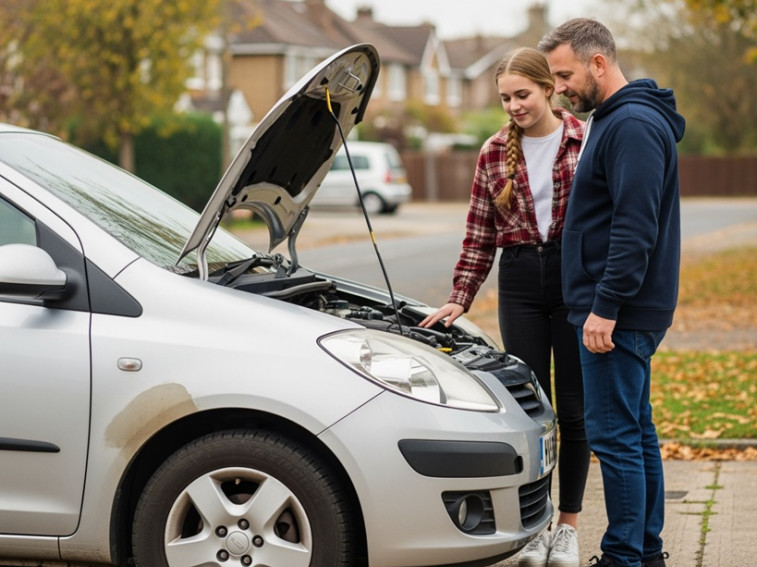
Set clear expectations about maintenance from day one when purchasing salvage cars for learners. Create a schedule for oil changes, tyre checks, and fluid levels. Make your learner responsible for basic checks before driving. This hands-on involvement builds competence and confidence.
Where To Find Suitable Salvage Cars For Learner Drivers
Finding the right salvage vehicle requires knowing where to look and what questions to ask. Not all salvage cars reach public auctions - some get snapped up by traders before ordinary buyers see them.
Online vehicle auctions offer the widest selection and most transparent process. You can see detailed listings, damage reports, and photographs before bidding. This transparency helps you make informed decisions without pressure from pushy salespeople on salvage cars for learners.
Browse car auctions regularly to understand market prices and available stock. Patterns emerge quickly - you'll spot which models appear frequently in Category N and what they typically sell for for salvage cars for learners.
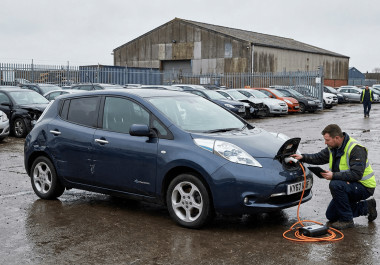
Physical auction houses let you inspect vehicles in person before bidding. This hands-on access proves invaluable for salvage cars where photographs hide problems. Arrive early, bring a mechanic, and examine everything thoroughly for learner-suitable vehicles.
Private sellers occasionally offer salvage vehicles, though you'll need more caution here. Without auction house oversight, you're trusting the seller's honesty about damage history and repairs. Always verify everything independently and get documentation on salvage cars for learners.
Dealer forecourts sometimes stock salvage vehicles, particularly smaller independent dealers. They've usually done basic repairs and may offer short warranties. You'll pay more than at auction but gain some peace of mind on salvage cars for learners.
Making The Final Decision: Is A Salvage Car Right For Your Learner?
Deciding whether to buy salvage for a learner driver isn't straightforward. It depends on your budget, mechanical knowledge, insurance options, and your teenager's temperament regarding salvage cars for learners.
Budget-conscious families with mechanical skills often do brilliantly with Category N vehicles. You'll save thousands on purchase price whilst getting a perfectly serviceable car. That money saved can fund driving lessons, insurance, or be set aside for repairs on salvage cars for learners.
Risk-averse parents might prefer paying more for a clean-history vehicle despite the financial stretch. There's nothing wrong with this approach - peace of mind has value, especially when your child's safety is involved. Some families simply don't want the complication of salvage cars for learners.
Learner temperament matters more than people realise. Confident teenagers who take mechanical interest in stride will cope fine with a salvage car's quirks. Anxious learners who stress about every unusual sound need something more straightforward for their first car.
Mechanical support availability significantly affects success with salvage vehicles. If you've got a trusted mechanic who knows you and will prioritise your calls, salvage cars become much more viable. Without that support network, problems become crises when owning salvage cars for learners.
Consider your own stress tolerance honestly. Some parents thrive on project cars and see salvage vehicles as interesting challenges. Others want appliance-level reliability and can't sleep worrying about mechanical problems. Neither approach is wrong - they're just different regarding salvage cars for learners.
Start with clear criteria before shopping. Decide your maximum budget, preferred vehicle types, acceptable categories, and deal-breakers. This framework prevents emotional decisions when you spot something that seems like a bargain.
Test drive any vehicle before committing, salvage or not. How it feels matters more than specifications. If something doesn't feel right during the test drive, trust your instincts and keep looking for salvage cars for learners.
Conclusion
Salvage cars for learner drivers occupy interesting territory - neither obviously good nor automatically bad. The right Category N vehicle saves thousands whilst providing perfectly adequate transport for someone learning to drive. The wrong salvage car becomes a nightmare of repairs, insurance problems, and safety concerns.
Success hinges on education and careful selection. Understand the category system, know which vehicles suit learners, inspect thoroughly, and get proper insurance quotes before buying. Skip any of these steps and you're gambling with your teenager's safety and your money on salvage cars for learners.
Category N vehicles with cosmetic damage offer the best balance for most learner drivers. You're getting mechanical soundness at salvage prices, with insurance companies willing to provide cover at reasonable premiums. Avoid Category S unless you've got professional mechanical assessment and explicit insurer approval for learner drivers.
Remember that the cheapest purchase price rarely means the lowest total cost. A slightly more expensive salvage car that's been properly repaired and comes with documentation will prove cheaper long-term than a bargain that needs constant attention.
If you're unsure whether salvage suits your situation, contact us to discuss specific vehicles and get advice based on decades of industry experience. We've helped countless families find appropriate first cars, salvage and otherwise, and understand exactly what works for learner drivers. The motor trade has changed enormously over my years in it, but one thing remains constant - the right first car teaches lessons that last a lifetime. Whether that car has salvage history matters far less than whether it's appropriate, safe, and properly maintained. Choose wisely, inspect thoroughly, and your learner will remember their first car fondly rather than as a source of stress and expense.