The overheads associated with running a successful driving school in the UK are substantial. From rising fuel costs to the constant wear and tear of daily tuition, Approved Driving Instructors (ADIs) must carefully manage their budgets to remain competitive. One area where significant savings are often sought is vehicle acquisition. Consequently, the idea of utilising salvage vehicles for instructors has become a topic of frequent discussion within the industry. While the initial price tag of a salvage vehicle is undeniably attractive, the decision to use one for professional instruction is a strategic choice that balances upfront savings with long-term professional reliability.
Financial Advantages for the Modern ADI
For most driving instructors, the vehicle is the primary tool of the trade and the largest single expense. Buying a brand-new car involves high monthly finance payments and rapid depreciation, especially given the high mileage typical of tuition work. A professional instructor can easily clock up over 30,000 miles a year, meaning a new car loses its value at an alarming rate. By exploring the wider salvage market, an instructor can often acquire a much newer or higher-specification model for a fraction of the retail price. This financial headroom is particularly useful for small businesses looking to keep their overheads low while offering students a modern learning environment with the latest safety features.
Furthermore, purchasing a vehicle outright from an auction avoids the restrictive mileage limits often found in personal contract purchase (PCP) or leasing agreements. These limits can be a major hurdle for busy instructors who do not want to be penalised for taking on more pupils. By starting with a lower capital investment, the instructor also reduces the financial risk associated with the business. If market conditions change or personal circumstances shift, the instructor is not tied into a long-term, high-interest financial commitment, providing a level of business agility that is difficult to achieve with traditional car finance.
Maximising Value: Repairs and Modifications
Every tuition vehicle requires a dual control modification to allow the instructor to intervene during lessons. When the initial purchase price is low, the cost of installing these controls and the required extra mirrors becomes easier to absorb into the business plan. Professional installation of dual controls is non-negotiable for safety, and having the extra budget allows instructors to choose the most reliable systems available. Additionally, the savings can be reinvested into other essential equipment, such as high-quality dash cams or advanced GPS systems, which enhance the learning experience and provide extra security for the instructor.
The depreciation curve for a salvage vehicle is also much shallower than that of a new car. Because the vehicle’s value has already been adjusted due to its salvage status, the "hit" taken when it comes time to sell or trade in the car is significantly smaller. This allows instructors to rotate their fleet more frequently, ensuring they are always teaching in relatively modern cars without the massive financial losses typically associated with frequent vehicle changes. When repairs are handled by certified professionals using genuine parts, these vehicles provide the same level of performance and refinement as any other car on the road, but at a vastly superior price point for the business owner.
Category Selection and Professional Compliance
Not all salvage vehicles are suitable for the rigours of professional driving instruction. Understanding the classifications used by the industry is vital for anyone looking at salvage cars for their business. Generally, professionals in the industry suggest focusing on Category N (Non-structural) vehicles. These Category N cars have suffered cosmetic or minor electronic damage that did not affect the structural integrity of the chassis, making them ideal candidates for professional use. For an instructor, avoiding structural damage is paramount to ensuring the vehicle can withstand the minor bumps and scrapes that are almost inevitable in a tuition environment.
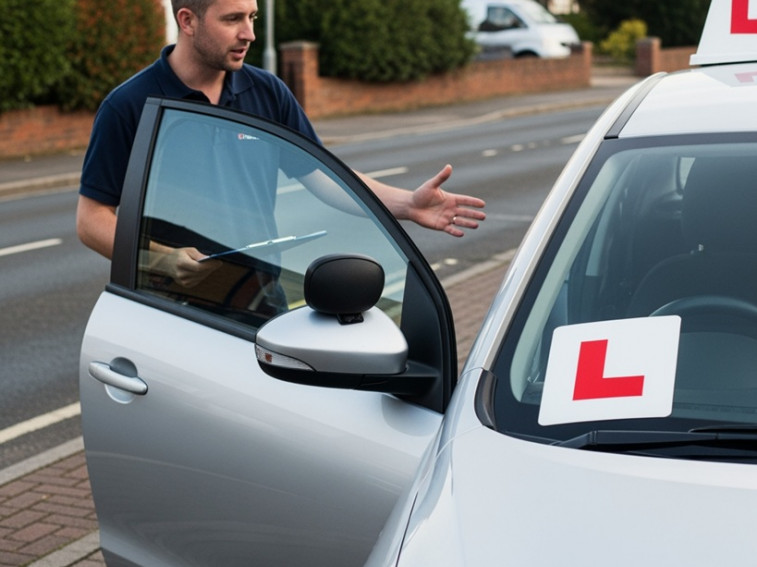
Beyond the physical repair, the vehicle must meet strict ADI vehicle requirements. For a car to be used in a DVSA driving test, it must be fitted with dual controls, be properly insured, and be in a clean and roadworthy condition. A salvage vehicle that has been expertly repaired ensures that no student is disadvantaged on their test day. Guidance on these standards and the bidding process is often found in a professional salvage auction guide to ensure buyers make informed decisions. Any instructor choosing this route should ensure the repair process is fully documented and that the vehicle passes a rigorous independent inspection before it is used for lessons. This documentation not only provides peace of mind but also protects the instructor's reputation and professional standing.
Integrating Professional Costs with Auction Savings
While securing professional instructor vehicle insurance is a standard requirement for any driving school, the significant savings found in the salvage market make this professional cost easier to manage. Because the acquisition price of the vehicle is much lower, instructors can reallocate their budget to ensure the most comprehensive hire-and-reward cover is in place. Instead of viewing insurance as a hurdle, successful instructors see it as a baseline business expense that is more than offset by the thousands of pounds saved during the initial purchase. Having the extra capital available also means instructors can opt for lower voluntary excesses, reducing their personal financial exposure in the event of a claim.
The same logic applies to operational maintenance. A driving instructor only earns money when the car is on the road, so reliability is everything. By starting with a lower purchase price, there is more budget available for preventative maintenance and high-quality servicing. Browsing current salvage vehicle auctions to find a high-potential unit is a smart financial move that supports a professional duty of care. By focusing on quality repairs and proactive maintenance, instructors can enjoy the same reliability as a new car while maintaining a much healthier bottom line. This approach also allows for the inclusion of breakdown cover with a "onward travel" or "replacement tuition car" clause, ensuring the business stays operational even if the primary vehicle requires a stay in the workshop.
Strategic Fleet Sourcing for Driving Schools
For those who have a trusted mechanic and a clear understanding of the repair process, sourcing from auctions is a brilliant way to build a modern tuition fleet. Success in this area relies on meticulous research and choosing the right platform. Prospective buyers should check the vehicle's history, look for detailed images of the damage, and cross-reference common faults for that specific model to ensure the repairs are straightforward. It is often beneficial to focus on inventory from salvage auction locations that allow for a thorough assessment of the available stock, as being able to see a vehicle in person or through detailed condition reports reduces the risk of hidden surprises.
The objective is to find a vehicle where the damage is primarily cosmetic, such as minor panel damage or stolen-recovered units without mechanical faults. This allows the budget to be spent on high-quality parts and the latest tuition technology, rather than structural repairs. When managed correctly, using salvage vehicles for instructors allows for a more frequent rotation of the fleet, ensuring that pupils are always learning in current, well-equipped cars. This approach enhances the reputation of the driving school by showing a commitment to modern standards and student comfort, while simultaneously proving that the instructor is a savvy business operator who understands how to maximise their investment.
Conclusion
Deciding whether salvage vehicles for instructors make sense depends on an instructor’s willingness to manage the repair process professionally and their ability to spot high-quality stock. While standard requirements like instructor vehicle insurance must still be met, the potential for significant capital savings is a compelling advantage that can define the profitability of a modern driving school. By adhering to all ADI vehicle requirements and ensuring every repair is certified by a professional, instructors can operate high-quality, safe, and modern vehicles without the financial strain of traditional car finance. For those ready to browse current inventory on the RAW2K platform, the first step is to register to get started today. By integrating salvage stock into their business model, ADIs can protect their margins and build a resilient, professional brand that stands out in a crowded market.