When your vehicle suffers damage, insurers classify it into salvage categories that determine whether you can legally return it to the road. These categories shape everything from repair costs to resale value, yet most vehicle owners don't understand them until they're already managing a claim.
The UK uses seven distinct salvage categories (A, B, C, D, N, and S) to classify damaged vehicles. Categories A and B mean the car cannot return to the road under any circumstances. Categories C, D, N, and S indicate repairable damage, though the economics and legal requirements differ significantly.
What Makes a Vehicle Salvage
An insurance company declares a vehicle a total loss when repair costs exceed a percentage of its pre-accident value. This threshold varies by insurer but typically sits between 50-70% of the vehicle's market value.
The salvage category assigned depends on damage severity and type, not just cost. A £15,000 repair bill might result in different categories depending on whether the damage affects structural integrity or merely cosmetic panels.
Once categorised, the vehicle receives a salvage marker on its history that follows it permanently. This record appears on HPI checks and similar vehicle history reports, affecting insurance premiums and resale values for the vehicle's lifetime.
Category A: Scrap Only
Category A represents the most severe classification. These vehicles sustained such catastrophic damage that no part can be salvaged for reuse. The entire vehicle must be crushed.
Insurers assign Category A to vehicles with extreme fire damage, complete structural failure, or contamination that makes any component unsafe. Even the VIN plate must be destroyed to prevent identity fraud.
You won't find Category A vehicles at car auctions because they proceed directly to authorised treatment facilities for destruction. The scrap metal value typically represents the only recoverable asset.
Category B: Break for Parts Only
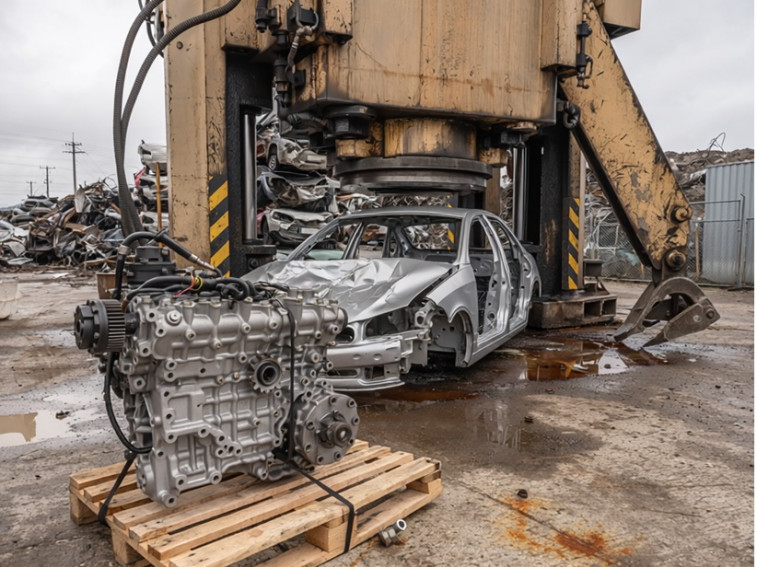
Category B vehicles cannot return to the road, but unlike Category A, their undamaged parts can be salvaged and sold. The body shell must be crushed, but components like engines, gearboxes, and interior trim can be removed first.
Severe structural damage typically results in a Category B classification. The chassis or monocoque sustained damage that compromises occupant safety, making the vehicle unroadworthy regardless of repair quality.
Salvage yards purchase Category B vehicles to extract valuable components. A written-off luxury car might yield thousands of pounds in parts sales even though the shell itself has no value beyond scrap metal weight.
Category S: Structural Damage (Repairable)
Category S (which replaced Category C in 2017) indicates structural damage that can be repaired to roadworthy standards. The 'S' stands for structural, covering damage to the vehicle's frame, chassis, or other load-bearing components.
Structural damage includes:
-
Front-end collisions affecting the chassis rails
-
Side impacts compromising B-pillars or sills
-
Rear-end damage to the rear subframe
-
Roof damage from rollovers
These vehicles can legally return to the road after proper repairs, but insurers determined the repair cost exceeded the economic threshold. Someone buying a Category S vehicle must ensure repairs meet manufacturer specifications and safety standards.
Professional repair shops can restore Category S vehicles to factory condition, but the salvage marker remains permanently. Insurance premiums typically increase 20-50% compared to an identical vehicle without salvage history.
Category N: Non-Structural Damage (Repairable)
Category N (which replaced Category D in 2017) covers damage that doesn't affect structural components. The 'N' stands for non-structural, encompassing cosmetic damage, electrical systems, brakes, or steering components.
Non-structural damage includes:
-
Cosmetic body panel damage with no chassis involvement
-
Interior fire damage without structural compromise
-
Electrical system failures
-
Stolen and recovered vehicles with missing parts
Category N represents the least severe repairable classification. A vehicle might receive this category for extensive cosmetic damage that's expensive to repair professionally but doesn't compromise safety.
Hail damage illustrates this well. I have observed Category N vehicles where numerous small dents covered panels, making professional repair costs exceed the vehicle's value despite no mechanical or structural issues. These vehicles often drive perfectly but look terrible.
The Economics of Repairable Salvage
Understanding the financial calculations behind salvage categories helps explain why identical damage might result in different classifications depending on the vehicle.
A £5,000 repair bill writes off a £7,000 hatchback (Category S or N depending on damage type) but represents routine repair work on a £40,000 SUV. The damage severity could be identical, but only one becomes salvage.
Depreciation creates particular challenges for newer vehicles. A two-year-old car with 60% of its original value might be written off for damage that wouldn't total the same model at five years old. The repair cost stays constant, but the economic threshold drops with vehicle age.
Buyers purchasing repairable salvage vehicles typically pay 30-60% below equivalent undamaged examples. A Category N vehicle with minor damage might sell for 70% of clean market value, while a Category S vehicle with extensive structural repairs might fetch only 40%.
Legal Requirements for Returning Salvage Vehicles to the Road
Category S and N vehicles can return to the road, but the process requires specific steps depending on the damage type and your location within the UK.
For Category S vehicles, DVLA requires notification of the salvage status, though no formal inspection exists in England and Wales. Northern Ireland requires a Vehicle Identity Check (VIC) before re-registration.
The vehicle must pass an MOT test before returning to the road if it's over three years old. Many insurers and buyers require an independent engineer's inspection report confirming repairs meet safety standards, even though this isn't legally mandated in most UK regions.
Category N vehicles face similar requirements, though the repair standards focus on non-structural components. Electrical repairs must meet manufacturer specifications, and brake or steering work requires professional certification.
Insurance Challenges with Salvage Vehicles
Finding insurance for salvage category vehicles creates significant challenges. Many mainstream insurers refuse Category S vehicles entirely, while others apply substantial premium increases.
Specialist salvage vehicle insurers exist, but they typically charge 20-50% more than standard policies for equivalent cover. Some limit coverage to third-party only, refusing comprehensive policies on salvage vehicles.
Insurers worry about hidden damage and repair quality. A poorly repaired Category S vehicle might fail catastrophically in a subsequent accident, creating liability concerns that standard risk models don't adequately price.
When obtaining insurance quotes, be prepared to disclose:
-
The specific salvage category
-
When the damage occurred
-
Details of all repairs completed
-
Whether repairs used OEM or aftermarket parts
-
Any engineer's inspection reports
Failure to disclose salvage history voids your policy. Even if you bought the vehicle without knowing its history, you remain responsible for checking and declaring its status.
Buying Repairable Salvage: What to Check
Purchasing a repairable salvage vehicle can deliver significant savings, but due diligence separates bargains from disasters.
Always obtain the complete damage history, including photos of pre-repair condition. Compare these against the current state to verify claimed repairs actually occurred. Sellers have sometimes claimed "minor cosmetic damage" that photos revealed as severe structural compromise.
Commission an independent pre-purchase inspection from an engineer experienced with salvage vehicles. Standard mechanics might miss subtle signs of poor repair work that compromise safety. Expect to pay £150-300 for a thorough inspection, but this investment prevents £10,000+ mistakes.
Check the vehicle recovery documentation to understand how the vehicle reached the salvage yard. A car recovered from a flood might show no visible damage but harbour electrical gremlins that emerge months later.
Request receipts for all repair work, confirming parts used and labour completed. Quality repairs use OEM parts and follow manufacturer procedures. Aftermarket components and shortcut repairs might pass MOT but fail prematurely under stress.
The Salvage Auction Process
Most repairable salvage vehicles sell through specialist salvage auctions rather than conventional used car channels. Understanding this process helps buyers access better inventory and avoid overpaying.
Salvage auctions operate differently than standard car auctions. Vehicles typically sell "as seen" with minimal warranties. Buyers must inspect vehicles before bidding, though some online platforms provide condition reports.
Registration requirements vary by auction house. Trade buyers need business credentials, while some auctions restrict private buyers entirely. Others welcome private purchasers but charge higher buyer's premiums.
Successful bidding requires research into current market values. Compare both salvage and clean examples of your target vehicle. The optimal purchase price sits 40-60% below clean retail, leaving room for repair costs and the permanent value impact of salvage history.
To locate available vehicles, explore featured auctions to see what's currently listed and understand the price range for your target model.
Future Implications of Salvage Categories
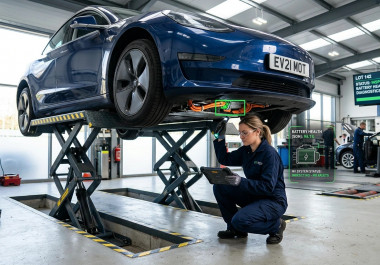
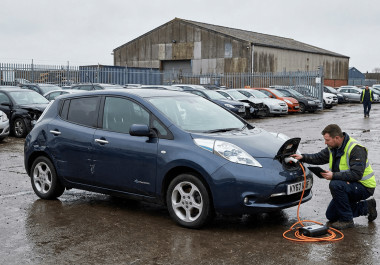
The salvage category system continues evolving alongside vehicle technology and repair methods. Electric vehicles create new challenges, as battery damage often results in Category B classification due to safety concerns and repair costs exceeding vehicle values.
Advanced driver assistance systems (ADAS) complicate repairs on otherwise straightforward damage. A minor front-end collision might require radar recalibration costing £500-1,000 beyond bodywork repairs, pushing more vehicles into salvage categories.
Telematics data from modern vehicles provides insurers with detailed accident information, improving category assignment accuracy. This transparency helps but also means fewer borderline cases receive benefit-of-the-doubt classifications.
The used car market's increasing reliance on vehicle history checks makes salvage markers more consequential. Twenty years ago, a repaired salvage vehicle might trade without disclosure. Today's HPI checks and digital records make this impossible, cementing the financial impact of salvage categories.
Conclusion
Salvage categories create a permanent record that follows vehicles throughout their lifetime, affecting everything from insurance costs to resale values. Categories A and B remove vehicles from the road permanently, while Categories S and N indicate repairable damage with varying severity.
Beyond standard cars, specialty vehicles like vans and trucks also appear in salvage classifications with similar category frameworks.
The distinction between repairable and non-repairable categories centres on structural integrity rather than repair costs alone. A Category S vehicle might cost less to repair than a Category N vehicle on a more expensive car, but the structural damage creates greater safety concerns.
Buyers considering repairable salvage vehicles can access significant savings, typically 30-60% below market value, but must invest time in due diligence. Professional inspections, complete repair documentation, and understanding insurance implications separate successful purchases from expensive mistakes.
The salvage system protects road safety by preventing severely damaged vehicles from returning to service while allowing economically written-off but structurally sound vehicles a second life. Understanding these categories empowers you to make informed decisions whether you're handling an insurance claim, purchasing a salvage vehicle, or simply checking a used car's history before purchase.
When ready to begin your search, register here to access RAW2K's auction platform and browse available inventory.