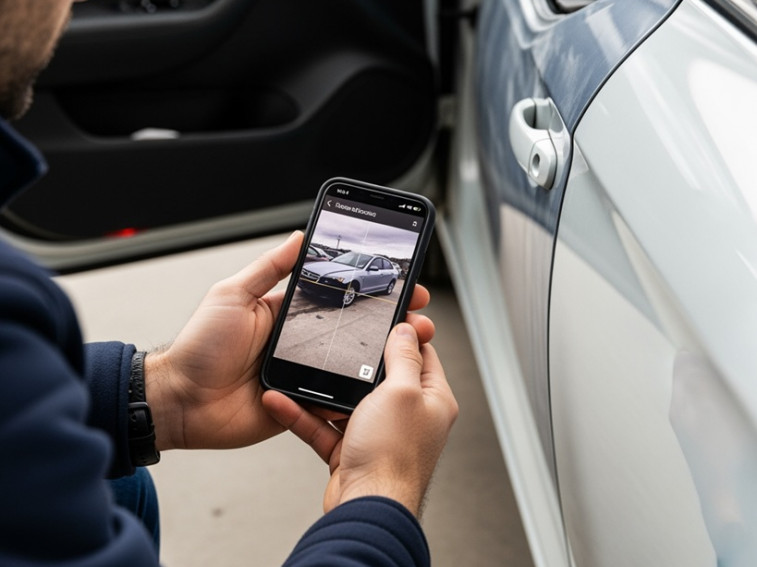
You've found what looks like a bargain at auction. The photos show a tidy-looking car, the price is right, and you're ready to bid. But here's the thing: what you don't see in those photos often costs more than what you do. Understanding salvage auction red flags is critical. I've spent fifteen years walking auction yards, and I can tell you that the difference between a profitable flip and an expensive mistake usually comes down to knowing what to look for in a handful of images. The camera doesn't lie, but it doesn't always tell the whole truth either. When you're bidding online at RAW2K, you're making decisions based purely on photos and descriptions. No test drive. No poking around underneath. Just images on a screen and your ability to spot what matters. That's why mastering auction photo interpretation like a professional isn't optional-it's essential.
Why Auction Photos hide more than they show
Auction photography follows a formula. You'll typically see six to twelve images: front three-quarter view, rear three-quarter, interior dashboard, boot space, maybe a wheel or two. Standard stuff. Professional enough to show the vehicle, but rarely detailed enough to reveal every flaw. The photographer's job isn't to deceive you. They're working through dozens of vehicles daily, taking standardised shots that give you an overview. But that's exactly the problem-you get an overview, not a detailed inspection. I once watched a mate bid on what looked like a pristine Cat N Audi. Clean bodywork, decent interior shots, no obvious damage. He won it for what seemed like a steal. When it arrived, the entire front subframe was bent. The photos had been taken from angles that completely hid the structural damage. Cost him two grand to sort, and suddenly his bargain wasn't. Think of auction photos like a house listing that shows you the kitchen and lounge but conveniently skips the damp patch in the bedroom. What's missing tells you as much as what's included.
The Angles That matter most
Professional auction photographers know exactly which angles make a vehicle look its best. Your job is to figure out what those angles might be hiding. Front three-quarter shots should show you panel gaps, paint consistency, and whether the bumper sits flush. If the photo is taken from too high or too far away, ask yourself why. A distant shot might be hiding mismatched paint or a poorly fitted panel. Rear three-quarter views reveal whether the boot lid aligns properly and if there's any sagging in the rear suspension. A car sitting lower on one side isn't just tired springs-it could indicate chassis damage or a poorly repaired accident. Side profile images are gold for spotting filled dents and resprays. Look at the reflection of light along the panels. Does it flow smoothly, or are there ripples and inconsistencies? Filler and cheap resprays create subtle waves in the bodywork that catch light differently. The most telling detail? When a particular angle is missing entirely. If you're looking at a salvage van and there's no clear shot of the loading area floor, there's probably a reason. Rust, damage, or botched repairs often hide in the gaps of what isn't photographed.
Reading Panel Gaps and alignment
Panel gaps don't lie. They're one of the most reliable indicators of accident damage, even on vehicles that have been repaired and categorised as Cat N. Panel gap analysis starts with examining the gaps between the bonnet and wings, doors and sills, boot lid and rear quarters. They should be consistent on both sides of the vehicle. If the driver's side gap is 5mm and the passenger side is 15mm, someone's been in there with a hammer and a prayer. Doors that don't sit flush suggest the car's been hit hard enough to move the structure. You can repair panels all day long, but if the shell's twisted, those doors will never hang right. I've seen plenty of 'light damage' Cat N cars where the doors tell a different story. Bonnet alignment is particularly revealing. If one side sits higher than the other, or if there's a noticeable step where it meets the wing, the front end's taken a hit. Even if everything's been replaced, poor alignment means either cheap repairs or damage that's deeper than the listing suggests. Thorough panel gap analysis requires zooming in on every photo. Modern auction images are usually high-resolution enough to spot these details if you're looking for them.
Paint and Bodywork inconsistencies
Paint inconsistency detection reveals repair history. Paint tells stories. Different shades, textures, and finishes all reveal repair history that might not be mentioned in the description. Effective paint inconsistency detection starts with colour matching, which is harder than it looks. Even professional resprays can show slight variations in different light. If the bonnet looks a slightly different shade of blue than the wings, it's been resprayed. That's not always a problem-plenty of minor damage gets repaired well-but it confirms there's history. Orange peel texture is that slightly bumpy finish you see on cheaper resprays. Factory paint is usually smoother and more consistent. If you're zooming in on photos and one panel looks like the surface of an actual orange while the rest is smooth, you've found a repair. Overspray is the killer detail. Look at rubber seals, plastic trim, and window edges. If there's paint where there shouldn't be, someone's done a quick job without proper masking. That suggests corner-cutting elsewhere too. I once spotted overspray on a 'Cat N light front-end damage' BMW. The listing made it sound like a bumper scrape. The overspray on the headlight lenses and door rubbers told me they'd resprayed half the car. Turned out it had been T-boned and poorly rebuilt. The photos showed everything I needed to know.
Interior Red Flags nobody talks about
Most buyers focus on the exterior. That's a mistake. The interior reveals how the car's been treated and often exposes damage the description glosses over. Water stains are your first warning sign. Look at the carpets, door cards, and under the seats. Dark staining, tidemark patterns, or discolouration means water's been in there. Could be a leaky sunroof, but it could also be flood damage that's been dried out and not declared. Airbag warning lights should be off in any photo showing the dashboard. If they're illuminated, the airbags have deployed and may not have been replaced. That's an expensive fix and a safety issue. Some sellers photograph the dashboard with the ignition off to hide this-if you can't see the instrument cluster clearly lit, that's suspicious. Seat condition relative to mileage tells you if the odometer's honest. A car showing 45,000 miles with a driver's seat worn through to the foam has probably done twice that. The steering wheel and gear knob wear patterns back this up-if they're shiny and smooth, someone's been gripping them for a lot more than 45k. Missing trim and switches suggest the car's been parted out or stripped before auction. If the radio's gone, the door cards are loose, or there are empty blanking plates where switches should be, walk away. You'll spend more replacing bits than you saved on the purchase price.
Underside and Mechanical clues
You won't often get detailed underside shots at auction, but when you do, they're worth their weight in gold. Rust on suspension components isn't just surface corrosion. If you can see crusty brake discs, that's normal for a car that's been sitting. But if the suspension arms, subframe, or sills show heavy rust, you're looking at structural problems and an MOT failure waiting to happen. Oil leaks show up as dark staining on the engine block, gearbox, or under the car. A small leak might be a gasket. A large one means serious engine or transmission issues. If the underside looks suspiciously clean in one area, someone might have steam-cleaned it to hide a leak. Exhaust condition tells you about the engine's health. Black sooty deposits suggest it's running rich or burning oil. White or blue staining indicates coolant or oil burning. A shiny new exhaust on an otherwise tatty car means the old one probably rotted off-and if the exhaust's gone, what else has rust got to? If you're browsing vehicles across different regions, remember that Scottish and Welsh cars often show more underside corrosion than southern vehicles. It's not always a deal-breaker, but factor it into your bid.
What Missing Photos mean
Here's a rule that's never let me down: if a photo's missing, there's a reason. Missing photo indicators reveal hidden issues. No interior shots? The interior's trashed. No engine bay photo? It's a mess of leaks, missing parts, or bodged repairs. No clear shot of all four wheels? One or more is damaged, has the wrong tyre, or is sitting on a space saver. Partial photos are missing photo indicators that are just as suspicious. If you can see half the dashboard but not the other half, or one side of the car but not the other, the photographer's deliberately avoiding something. I've seen auctions where the only photo of the passenger side is taken from 20 feet away. When the car arrived, the entire side was caved in. The photos didn't lie-they just didn't show you what mattered. When you're looking through motorcycle auctions or any other category, apply the same logic. Missing photos of the frame, forks, or engine cases mean there's damage the seller doesn't want to highlight.
The Description Vs. photo reality check
Always cross-reference what the description says with what the photos show. They should match. When they don't, trust the photos. A listing might say 'light scratches to nearside doors', but the photos show paint that's a different shade. That's not a scratch-that's a respray after damage. 'Minor front-end impact' could mean anything from a bumper scrape to a full front-end rebuild. Category markers are useful, but they don't tell you about repair quality. A Cat N vehicle means non-structural damage, but the photos will show you whether it's been fixed properly or bodged together. Look for the signs we've covered: panel gaps, paint quality, alignment. If you're ever unsure about what you're seeing, get in touch before you bid. It's better to ask questions than to win an auction you'll regret.
The Professional's Photo Checklist
Before you place any bid, run through this checklist on every photo:
-
Panel gaps: Consistent on both sides?
-
Paint finish: Same shade and texture across all panels?
-
Reflections: Smooth and consistent, or wavy and irregular?
-
Trim and seals: Overspray or paint where it shouldn't be?
-
Interior condition: Matches the mileage and description?
-
Dashboard lights: All warning lights off or explained?
-
Wheels and tyres: All matching, correct size, legal tread?
-
Underside: Rust, leaks, or recent cleaning to hide issues?
-
Missing angles: Any standard shots not included? If more than two or three items raise concerns, the vehicle's probably more trouble than it's worth. Trust your instincts.
Conclusion
Auction photo interpretation isn't about being cynical-it's about being realistic. Every vehicle at auction has a story, and the photos give you the first chapter. Your job is to read between the lines and spot what's not being said. The vehicles we list at RAW2K come with honest descriptions and comprehensive photos, but it's still your responsibility to look carefully. We can show you the car; you need to know what you're looking at. Recognising salvage auction red flags requires taking your time with every image. Zoom in. Compare angles. Question anything that doesn't look right. The five minutes you spend studying photos could save you thousands in repairs. Spotting salvage auction red flags like panel gaps, paint quality, interior condition, and missing photos all tell you whether a vehicle's a bargain or a money pit. Master salvage auction red flags, and you'll bid with confidence every time. That's the difference between auction veterans and expensive lessons.