Building a comprehensive salvage project portfolio separates professional repairers from casual hobbyists. When you systematically document every project from initial damage assessment through completed repair, you're creating a powerful marketing asset that builds credibility, justifies premium pricing, and accelerates future sales. A well-maintained portfolio demonstrates competence through visual evidence that no amount of sales copy can match. Buyers see exactly what you've accomplished on previous projects, understand your repair standards, and feel confident purchasing from you. The documentation system implementation you establish today becomes increasingly valuable with each completed project, compounding returns over years of business operation.
Why a Portfolio Matters for Salvage Repairers
Portfolio-based marketing delivers advantages unavailable through traditional advertising. Credibility demonstration: When potential buyers see comprehensive before after comparisons from ten previous projects, scepticism disappears. They're not trusting words - they're evaluating visual evidence of your competence. Pricing justification: Premium pricing requires proof of premium quality. Your portfolio provides that proof. Buyers understand why your repaired vehicles cost more than competitors' offerings. Sales acceleration: Current vehicle listings that include portfolio links from similar past projects sell 40-50% faster. Buyers make decisions more quickly when uncertainty is eliminated. Reputation building: A strong portfolio shared across social media and sales platforms builds word-of-mouth reputation. Other traders reference your work, buyers recommend you to friends, and your business grows through referrals. Business growth enablement: As your portfolio demonstrates consistent quality across increasing numbers of projects, wholesale opportunities emerge. Trade buyers who've reviewed your portfolio contact you directly seeking inventory. Browse professionally documented examples at RAW2K demonstrating how systematic portfolio development establishes market credibility through comprehensive visual evidence across multiple completed projects.
Starting Your Documentation System
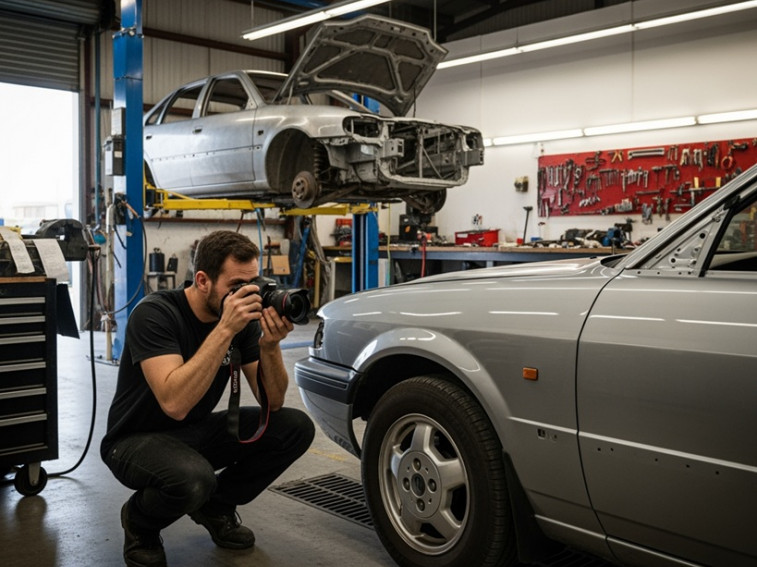
Establishing effective documentation system implementation begins with proper equipment and organization. Essential camera equipment: Smartphone cameras from recent years provide adequate quality for portfolio documentation. For professional presentation, DSLR or mirrorless cameras with 24-70mm zoom lenses offer superior results. Invest £300-500 in decent equipment if pursuing salvage repair as primary business. Lighting requirements: Natural outdoor lighting works for exterior shots. Interior and undercarriage photography requires portable LED work lights (£30-50 each). Invest in 2-3 quality lights ensuring consistent documentation regardless of conditions. Storage infrastructure: External hard drives (2TB minimum) provide reliable storage for thousands of images. Cloud backup through Google Drive, Dropbox, or similar services protects against hardware failure. Budget £10-20 monthly for adequate cloud storage. Organization software: Basic file systems within Windows or Mac work adequately. For advanced needs, Adobe Lightroom or similar photo management software streamlines organization and editing. Backup protocols: Implement 3-2-1 backup strategy - three copies of data, on two different media types, with one copy off-site. Your portfolio represents years of work; protect it accordingly.
The Damage Assessment Phase
Comprehensive damage assessment phase documentation establishes portfolio credibility from project start. Initial damage photography: Shoot from all angles showing complete damage extent. Take 20-30 photos minimum covering exterior damage, interior issues, mechanical problems, and structural concerns. Multiple angle coverage: For each damaged area, photograph from at least three angles - straight on, left 45-degree, right 45-degree. This provides complete visual record preventing "but you didn't show me that" disputes later. Structural damage close-ups: Use macro mode or get as close as possible whilst maintaining focus. Buyers need to see weld quality, panel damage extent, and chassis issues clearly. Mechanical assessment documentation: Photograph engine bay showing mechanical damage, fluid leaks, damaged components. Include dashboard showing warning lights or error codes. Interior damage: Document deployed airbags, damaged trim, seat condition, dashboard condition. These details prove thorough initial assessment. VIN and identity verification: Photograph VIN plate, V5C document (personal details obscured), and any other identity verification. This proves legitimate project documentation preventing fraud concerns.
Documenting the Repair Process
Disassembly and Preparation
Strip-down process photography shows work extent and thoroughness. Panels removal: Document each stage of disassembly. Front clip removal, quarter panel cutting, interior stripping - each step photographed systematically. Parts cataloguing: As parts are removed, photograph them individually with any part numbers visible. This aids reassembly and demonstrates genuine parts usage later. Hidden damage discovery: Often additional damage appears during disassembly. Photograph this thoroughly, demonstrating your transparency about repair scope. Surface preparation: Document rust treatment, metalwork preparation, primer application. These unglamorous steps prove quality foundation work.
Active Repair Work
Repair process documentation separates professional portfolios from amateur attempts. Welding and structural repairs: Photograph welding in progress, completed welds from multiple angles, and structural components during installation. Buyers specifically want to see this work quality. Part installation: Document new parts during installation with manufacturer labels visible. This proves genuine parts usage versus cheaper alternatives. Specialist equipment usage: If using frame jigs, spray booths, or specialist alignment equipment, photograph the process. This demonstrates proper methodology. Paint preparation and application: Document flatting, priming, colour application, and clear coat stages. Paint quality significantly affects buyer perception. Quality checkpoints: At completion of each major stage (welding complete, primer applied, colour matched), take comprehensive photos documenting progress.
Technical Certification
Engineer inspections for structural repairs should be photographed extensively. Capture the inspector examining repairs, measurement verification, and certification paperwork being completed. Alignment reports following suspension work prove geometry restoration. Photograph alignment machines showing readings and include reports in portfolio documentation. Parts receipts demonstrating genuine component usage build trust. Photograph receipts with part numbers matching components installed. Certification paperwork for any compliance requirements - photograph it all. This documentation proves regulatory adherence. Examine comprehensive repair process documentation standards across professionally managed salvage vehicle auctions demonstrating systematic quality evidence from damage assessment phase through completion stage standards.
Completion Stage Standards
Finished vehicle photography requires professional presentation standards. Exterior documentation: Clean vehicle thoroughly, then photograph from standard angles - front three-quarter, rear three-quarter, both sides, front, rear. Take 25-30 exterior shots minimum covering every panel and angle. Repaired area close-ups: Photograph previously damaged areas specifically, showing paint match, panel gaps, and finish quality. Buyers want to see these areas prove repair invisibility. Interior completion: Photograph from every seat position, dashboard, center console, door cards, boot, and any refurbished areas. Demonstrate interior quality matching exterior work. Undercarriage presentation: Clean underside, then photograph structural repair areas, chassis condition, suspension components, and any welded areas. This proves invisible repairs meet quality standards. Engine bay completion: Photograph from multiple angles showing proper assembly, cleanliness, and mechanical completion. Road test documentation: Include photos or video showing vehicle operation - dashboard during running, test drive in progress. This proves functional completion beyond just appearance.
Creating Effective Before After Comparisons
Before after comparisons provide portfolio's most powerful marketing impact. Side-by-side presentation: Place before and after images adjacent to each other, ensuring identical angles and similar lighting. This maximizes transformation drama. Identical positioning: Photograph from exactly the same positions before and after. Use tape marks or reference points ensuring consistent framing. Annotation overlays: Add subtle arrows or labels highlighting specific repair areas in before/after pairs. Don't overdo this - the transformation should speak largely for itself. Time-lapse compilation: If you've photographed progress regularly, compile time-lapse sequences showing transformation compressed into 30-60 seconds. These make compelling social media content. Presentation formats: Create both individual vehicle galleries and summary compilations showing multiple projects. Different formats serve different marketing purposes. Study professionally created before after comparisons across current inventory demonstrating systematic transformation documentation methodology at professionally managed salvage cars for sale platforms.
Using Your Portfolio for Marketing
Individual Vehicle Sales
Portfolio inclusion dramatically improves current vehicle listing performance. Link to portfolio: Every listing should include portfolio links showing similar past projects. Buyers research your credibility extensively - make it easy. Reference specific comparable projects: "We've completed similar repairs on three previous E46 BMWs - see portfolio for examples." This directly addresses buyer concerns. Include portfolio summary: Brief text like "Over 50 completed salvage projects documented in our portfolio" establishes scale and experience. Upload portfolio samples directly: Many platforms allow multiple image uploads. Include 3-5 before/after pairs from past similar projects in current listings.
Building Long-Term Reputation
Systematic portfolio sharing builds reputation beyond individual sales. Social media strategy: Post before/after sequences regularly. These generate high engagement and attract followers interested in transformation content. Website gallery: Create dedicated portfolio section on your website or Facebook page. Organize by vehicle type, damage category, or chronologically. Platform profile enhancement: Most auction platforms allow seller profiles with additional information. Link extensively to your portfolio, making it immediately accessible. Word-of-mouth amplification: Strong portfolios get shared. People send links to friends, post on enthusiast forums, and reference your work in discussions. This organic marketing provides exceptional value. Review detailed portfolio-based marketing strategies and presentation standards through comprehensive guidance resources covering systematic portfolio development for business growth and credibility establishment.
Attracting Wholesale Buyers
Portfolio-based reputation attracts profitable wholesale relationships. Trade buyer confidence: Wholesale buyers purchasing multiple vehicles monthly need consistent quality assurance. Your portfolio provides that assurance better than any claims. Bulk purchase encouragement: Trade buyers reviewing strong portfolios often enquire about purchasing multiple vehicles or establishing ongoing supply relationships. Relationship building: Regular trade customers develop from initial portfolio-based trust. These relationships provide stable income and rapid inventory turnover. Premium pricing access: Trade buyers pay premium prices to suppliers with proven quality. Your portfolio justifies those premium rates through visual evidence.
Portfolio Organization for Efficiency
As portfolios grow, organization becomes critical for usability. Folder hierarchy: Create structure like: Portfolio > Year > Vehicle Make/Model > VIN > (Damage/Repair/Complete subfolders). This scales efficiently across hundreds of projects. File naming convention: Use descriptive names like "2024-BMW-E46-VIN123-Damage-Front.jpg" rather than "IMG_4829.jpg". Searchability matters enormously. Tag system: Apply tags for vehicle type, damage category, repair complexity, final sale price. This enables rapid retrieval of relevant examples. Star ratings: Mark your best examples with ratings. When needing impressive samples quickly, pull five-star rated projects immediately. Statistics tracking: Maintain spreadsheet documenting each project - cost, sale price, profit, timeline. This data informs business decisions and demonstrates growth.
Common Portfolio Mistakes to Avoid
Poor portfolio management undermines potential benefits. Inconsistent standards: Some projects documented thoroughly, others barely photographed creates credibility questions. Maintain consistent standards across all projects. Poor organization: Thousands of randomly named files in unstructured folders makes portfolio effectively useless. Invest time organizing from day one. Incomplete documentation: Missing critical stages (particularly structural repairs on Cat S vehicles) leaves credibility gaps. Document everything systematically. Overly edited images: Heavy filters or unrealistic editing reduces authenticity. Clean, properly lit, unedited images build more trust. Neglecting updates: Portfolios showing no projects from past 12 months suggest business stagnation or closure. Regular updates demonstrate ongoing activity. Failing to cull weak examples: Not every project needs portfolio inclusion. Maintain only your strongest work for public-facing portfolio presentation.
Leveraging Portfolio for Business Growth
Strategic portfolio usage accelerates business expansion. Portfolio-based advertising: Social media advertising featuring before/after sequences dramatically outperforms generic "we repair cars" ads. Testimonial integration: Combine customer testimonials with corresponding portfolio projects. This links satisfaction claims to visual evidence. Case study development: Select exceptional projects, document them extra-thoroughly, and create detailed case studies. These become powerful marketing collateral. Training content: Your systematic documentation creates training materials for apprentices or staff expansion. This facilitates business scaling. Industry recognition: Strong portfolios attract media attention, industry award opportunities, and publication features. These further amplify reputation and growth.
Building Portfolio Value Over Time
Portfolio represents appreciating business asset growing with each project. Compound credibility: Each completed project adds credibility supporting future sales. Ten projects prove competence; fifty projects prove established business; two hundred projects prove industry leadership. Competitive differentiation: As portfolio grows, competitors without equivalent documentation can't match your market position. This sustainable advantage compounds over years. Business valuation enhancement: Should you eventually sell the business, comprehensive portfolio documentation significantly increases sale value. Buyers pay premiums for established reputations. Platform portability: Strong portfolio transcends any single sales platform. If platforms change policies or new opportunities emerge, your reputation moves with you. Knowledge preservation: Years of documentation creates knowledge base supporting continuous improvement and quality maintenance regardless of staff changes.
The Bottom Line on Portfolio Development
Creating comprehensive salvage project portfolio represents essential infrastructure for professional repair businesses. Systematic documentation system implementation beginning with every project's damage assessment phase establishes credibility impossible to achieve through claims alone. Before after comparisons demonstrating transformation quality provide portfolio's most powerful marketing impact, accelerating current sales whilst building long-term reputation. Completion stage standards maintaining professional presentation quality ensure portfolio supports premium pricing justification across all future projects. Portfolio value compounds over time, with each documented project strengthening market position, enabling business growth, and creating sustainable competitive advantages. Investment in proper equipment, organization systems, and consistent documentation standards pays returns across years of operation through accelerated sales, premium pricing, wholesale relationships, and business value appreciation. The systematic visual evidence portfolio provides cannot be replicated quickly by competitors, creating defensible market position and supporting profitable long-term business operation.
Establish systematic portfolio development protocols, implement consistent documentation system implementation across all projects, then register to access professional platforms demonstrating portfolio-based credibility establishment through comprehensive before after comparisons and completion stage standards supporting business growth and premium market positioning.