In the diverse world of vehicle auctions, mechanics represent a group driven by technical skill, passion, and an eye for potential. Whether running a professional garage or pursuing a hobby, mechanics view vehicles through a distinct lens, often finding value where others see only problems.
Auctions represent a vital hunting ground for mechanics across the UK, offering a consistent supply of vehicles no longer considered standard retail stock. For the mechanic, this isn't a drawback; it's the attraction. These vehicles are raw material, challenges to overcome, and chances to apply hard-earned expertise in auction car tinkering.
This article explores why mechanics buy at auction, what they look for, and how they successfully source vehicles for fixing and restoration.
Why Auctions Are Indispensable for Mechanics
The conventional route of buying vehicles doesn't meet all the needs of a mechanic. They require access to different inventory, vehicles offering opportunities for salvage vehicle repairs, restoration, or providing essential parts. Salvage vehicle auctions fulfil this need comprehensively.
A mechanic's workshop has constant requirements for parts, from common repairs to obscure issues on older models. Then there are bigger jobs, taking a non-runner and bringing it back to life, or full-scale restoration projects. Auctions provide the source material for all these activities.
The Project Potential
Every mechanic knows the pull of a project car. It's a chance to work on something interesting, perhaps a model they've always admired, or a vehicle presenting a unique technical challenge. Auctions are brimming with potential projects written off by insurers for damage uneconomical to repair at main dealer rates, but well within a skilled mechanic's capability.
Buying a project vehicle at auction means acquiring it at a significantly lower price than a roadworthy equivalent. This price differential is the margin for labour, parts, and expertise, allowing investment in necessary repairs whilst keeping overall costs manageable through project car acquisition.
A Lifeline for Parts
One of the most practical reasons mechanics frequent auctions is the need for parts. Modern components, especially complex electronic modules or specific body panels for less common models, can be prohibitively expensive new. Salvaging parts through donor vehicle sourcing at auction is a common and effective strategy.
An accident-damaged vehicle uneconomical to repair might have a perfectly good engine, gearbox, interior, or wheels. Buying the entire vehicle at auction, particularly a Category B (break) vehicle designated for parts, provides access to components at a fraction of their individual cost.
A quick search of auction listings on RAW2K might reveal a suitable donor vehicle for a discontinued component, allowing mechanics to get customers back on the road faster than waiting for a new part.
Commercial Opportunities: Repair and Resale
For many mechanics operating a business, buying at auction is a core revenue stream. They specialise in identifying undervalued vehicles due to damage or mechanical faults, purchasing them, carrying out efficient repairs, and selling them on for profit.
This requires sharp cost assessment and high-standard technical skill. Mechanics who excel at this find consistent profitable work through auctions, acting as restorers returning vehicles to roadworthy condition. This is the commercial side of auction car tinkering and securing mechanical restoration buys, activities involving acquiring vehicles to apply mechanical skills, restore function, and derive value.
What Makes a Mechanic's Eye Different at Auction
Whilst other buyers focus on mileage or cosmetics, a mechanic assesses fundamental vehicle health and structure, looking for signs indicating either a straightforward fix or a money pit.
Beyond Paintwork: Mechanics see past superficial flaws. A dented panel is often simpler than internal mechanical issues. They listen to engines, feel for play in steering or suspension, and inspect vital components closely.
Engine Assessment: Is it clean or covered in leaks? Does it start easily? Any unusual noises or excessive exhaust smoke? Experienced mechanics glean much from observations and listing information.
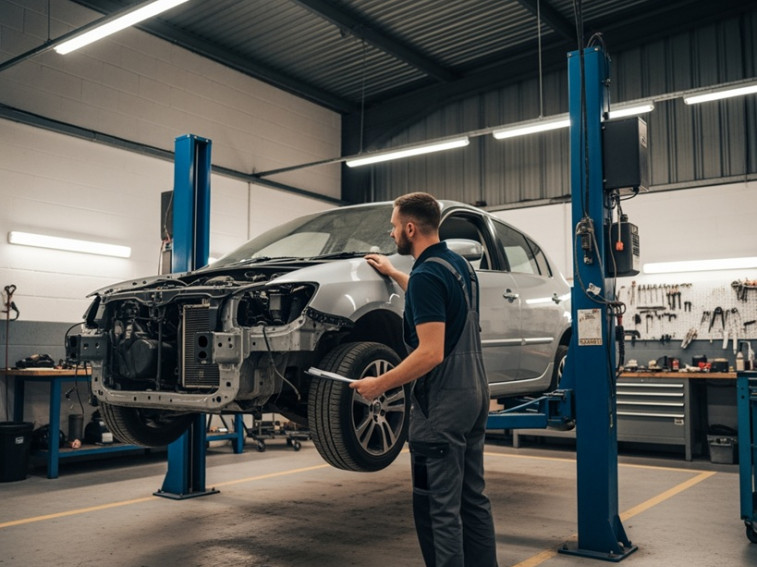
Structural Integrity: For accident-damaged vehicles, assessing structural integrity is paramount. Mechanics look for chassis rail ripples, uneven panel gaps, or signs of poor previous repairs.
Undercarriage Inspection: Rust is the enemy in the UK. Mechanics inspect sills, wheel arches, subframe, brake lines, fuel lines, and exhaust for corrosion, plus suspension components, steering racks, and driveshafts for wear.
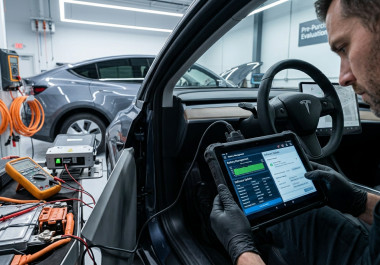
Electrical Systems: Modern vehicles rely on complex electrical systems. Warning lights, non-functional components, or wiring harness tampering are red flags requiring careful evaluation.
Finding Your Next Buy on RAW2K
RAW2K makes it easy for mechanics to find vehicles, providing detailed listings with extensive photo galleries, damage reports, and key condition information.
Searching Smart: Search extensive listings on the salvage vehicle auctions page. Use filters for make, model, year, damage type (Category S, N, B, etc.), or location. Specialists should also check salvage motorcycle auctions and salvage van auctions.
Location Matters: Consider transport costs. Refine searches to find vehicles by region including South East, North East, North West, Wales, West Midlands, Northern Ireland, or Scotland.
Assess Online: Use detailed information for initial assessment. Can you identify the damage cause from photos and descriptions? What parts would you need? How complex is the repair? This assessment is crucial for deciding whether to pursue the vehicle.
Real-World Application: Mechanics in Action
Consider a typical scenario. David, a mechanic with a small garage, regularly checks auctions for vehicles needing gearbox repairs. He knows he can source reconditioned gearboxes or repair existing ones cost-effectively. He spots a popular family saloon listed with "gearbox fault", a common issue he's dealt with many times. He bids successfully, factoring in the cost of a replacement gearbox and his labour. By targeting a specific, common fault he is expert at fixing, David turns a damaged, non-running car into profitable stock.
Another example is Emily, who enjoys restoring classic cars. She uses auctions to find vehicles that are complete but require extensive work. Her goal isn't quick profit, but the satisfaction of a ground-up restoration. Her mechanical restoration buys from auctions are long-term projects, providing a rewarding challenge and a connection to automotive history. She meticulously researches each potential purchase, understanding the availability and cost of period-correct parts before placing a bid.
These represent the smart, skilled approach mechanics take to auctions. They apply their technical knowledge to find value and opportunity in vehicles that have been overlooked by less experienced buyers.
Essential Tips for the Mechanic Buyer
Leveraging auctions successfully requires more than just mechanical skill; it also requires a smart buying strategy.
Set a Strict Budget: Determine your maximum bid based on your estimated repair costs, parts required, auction fees, and desired profit (or value for a personal project). Stick to it, no matter how tempting the bidding war gets.
Calculate Repair Costs Accurately: This is where your expertise is vital. Get quotes for major parts, estimate the hours of labour involved, and add a buffer for unforeseen issues.
Understand Salvage Categories: Know the difference between Cat S, N, B, and A, and what you are legally allowed to do with a vehicle from each category.
Consider Transport: How will you get the vehicle from the auction centre back to your workshop or home? Factor in towing or transport costs.
Inspect Diligently: If onsite viewing is available, take full advantage. Look closer than the average buyer. Check fluids, listen for sounds, inspect wiring, and look for signs of accident damage that might not be obvious in photos.
Leverage Online Information: If you can't view in person, use the detailed listings and photos to their fullest. Look for clues in the background of photos, zoom in on damaged areas, and read the condition report carefully.
Buying vehicles for fixing and tinkering at auction is a skill that improves with practice. Each purchase, successful or not, is a learning experience.
Getting Started with RAW2K as a Mechanic
If you're a mechanic ready to explore the world of vehicle auctions, getting started with RAW2K is simple. Registering for salvage auctions gives you access to browse all current and upcoming auctions.
The platform is designed to be user-friendly, allowing you to search effectively and place bids with ease. Mechanics looking for specific types of vehicles will find detailed listings that provide the information needed to make informed decisions.
Whether you're a seasoned professional looking to source stock or parts, or a passionate hobbyist seeking your next restoration challenge, RAW2K offers a consistent and varied supply of vehicles. The opportunity for auction car tinkering and making worthwhile mechanical restoration buys is always present. It's about applying your skills to bring vehicles back to life, deriving value from your expertise, and contributing to a more sustainable approach to vehicle ownership by repairing rather than replacing.
If you have any questions about how the platform works, specific vehicles, or the bidding process, get in touch for assistance.
Conclusion
The mechanic's relationship with a vehicle is one of understanding, diagnosis, and transformation. At auctions, this relationship finds a fertile ground. Vehicles that might be at the end of the road for others represent the beginning of a new journey for the skilled mechanic.
RAW2K serves as a vital platform for UK mechanics, providing access to a consistent stream of vehicles perfect for auction car tinkering, fixing, and restoring. The potential for finding valuable parts through donor vehicle sourcing, undertaking rewarding projects through project car acquisition, and generating profitable work through salvage vehicle repairs is immense. By applying their technical knowledge and following a smart bidding strategy, mechanics can unlock significant value from the vehicles available through auction.
Explore damaged cars for sale to discover your next project. If you're a mechanic, whether amateur or professional, with a passion for bringing vehicles back to their best, your next exciting project or essential donor vehicle is ready to be discovered. Apply your skills, assess the potential, place your bids, and continue doing what you do best: fixing and tinkering.