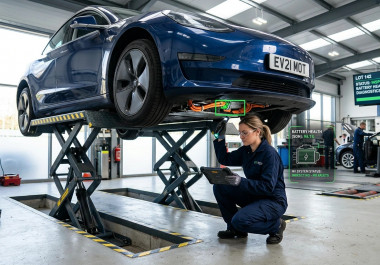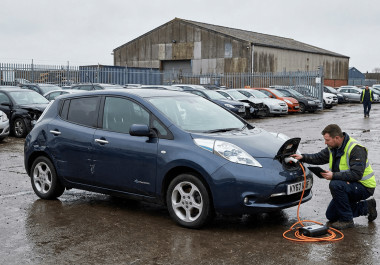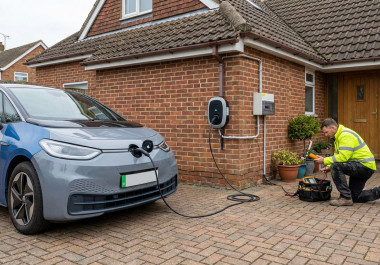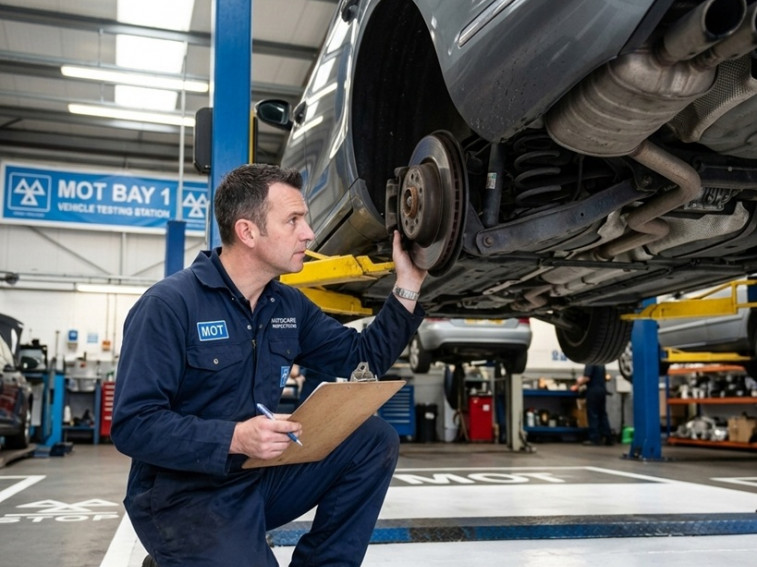
Acquiring a high-value project from auction is only the first part of the journey; the true goal is safely returning that vehicle to the road. For anyone purchasing a previously damaged car, such as a Category S or Category N vehicle, the final, most critical step is ensuring it passes the Ministry of Transport (MOT) test. This inspection is mandatory, non-negotiable, and serves as the ultimate validation of the quality and safety of your repair work. It is vital to understand that an MOT after repair for a salvage vehicle isn't just a standard annual check; it is confirmation that the car is structurally sound and meets all UK road safety standards.
The journey from a damaged auction car to a roadworthy asset requires meticulous planning, detailed documentation, and adherence to professional standards. Understanding the specific differences between standard MOT checks and the rigorous rebuilt car inspection that applies to vehicles brought back from a write-off status is essential. With the right preparation for the 2026 market, owners can approach the testing station with confidence and ensure the vehicle is legally and safely registered for the future.
Understanding the Repair Journey for MOT Success
The extent and nature of the original damage dictate the complexity of the repair and the scrutiny a vehicle faces during testing. Therefore, before the car approaches the ramp, understanding its pre-auction history is fundamental to its future success. This early knowledge guides the repair methodology and the documentation required to satisfy DVLA notification requirements.
Category S vs. Category N: The Repair Threshold
The insurer-assigned category is the primary indicator of what the MOT inspector will examine. A Category N (Non-Structural) vehicle typically involves easier repairs concerning the chassis and steering, often focusing on mechanical, electrical, or body panel replacements. While less complex, these vehicles still require full adherence to safety standards to pass an MOT after repair.
In contrast, a Category S car has suffered damage to its load-bearing chassis or frame, requiring specialised alignment and welding work. Repairing these vehicles is a job for trained professionals, and the subsequent inspection will heavily scrutinise the integrity of those structural repairs. Finding repairable stock through RAW2K provides a solid foundation for such projects, as transparency in vehicle history is standard practice.
The Critical Requirement: Repair Standards
The MOT test is designed to verify the roadworthiness of a vehicle, regardless of its history. However, for a vehicle with previous crash damage, the test acts as a safety barrier to prevent poorly repaired cars from re-entering circulation. All repairs must be completed using compliant parts, following manufacturer guidelines, and executed by competent personnel. For structural damage, documented evidence of chassis alignment and welding quality is a massive asset to present during any rebuilt car inspection.
Preparing for the Rebuilt Car Inspection
Preparation is the silent stage of success in the vehicle restoration world. Simply fixing the damage is not enough; documentation is required to satisfy the examiner and the DVLA when it comes time for re-registration. This comprehensive approach is necessary because a previous write-off status flags the vehicle for closer attention during the MOT after repair.
Essential Documentation Checks
Before booking the test, verify that the paperwork is in order. The DVLA mandates specific salvage buying advice regarding a vehicle’s identity and repair history before updating the V5C logbook. A rebuilt salvage vehicle needs specific records to prove roadworthiness:
-
Proof of Vehicle Ownership: The updated V5C registration document or forms required for re-registration.
-
Repair Invoices: Detailed documentation showing the parts purchased and professional labour costs, particularly for major structural components.
-
Photographic Evidence: Before, during, and after photographs of the repair process, which are invaluable for proving the quality of structural work on Category S vehicles.
Presenting a complete V5C registration document alongside these records ensures the administrative side of the inspection remains straightforward. This data is critical for damaged vehicle sales where provenance must be established for the tester.
Structural Integrity and the MOT
For Category S vehicles, the examiner pays special attention to the repaired areas, looking beyond the cosmetic finish. They check all critical safety points, including suspension mountings, seat belt anchorage points, and steering components. This is where professional repair records truly benefit the owner.
Thinking of the rebuilt car inspection like completing a complex jigsaw puzzle helps frame the necessary precision. The pieces must fit perfectly and the final structure must look exactly as it should. If the frame is misaligned, even by a millimetre, the suspension and steering geometry cannot function safely, leading to an immediate failure. All load-bearing repairs must be conducted by specialists using proper equipment to meet vehicle scrap value standards or better.
The Specifics of the MOT After Repair
The MOT is not a pass or fail on cosmetic work; it focuses on essential safety and environmental standards. While the test procedures themselves are the same for all vehicles, the heightened suspicion due to the write-off history means any borderline components will be heavily scrutinised.
What the Test Covers
The test covers all standard MOT points, confirming that the vehicle is roadworthy and safe to drive. These checks include:
-
Braking systems and performance.
-
Steering and suspension components.
-
Lights, signal, and horn functionality.
-
Tyre condition, tread depth, and pressure.
-
Body structure and exhaust emissions.
An examiner looks for any evidence of crash damage that may have compromised safety features or poorly executed repairs. Addressing any potential issues beforehand is always better than risking a failure during the official MOT after repair.
Dealing with the V5C and Re-registration
Once the repaired car successfully passes the test, the final administrative hurdle is ensuring the DVLA recognises its return to the road. For vehicles previously declared a write-off, the owner must satisfy DVLA notification requirements and submit the necessary documentation to update the vehicle’s status. This process ensures the V5C is correctly endorsed, allowing the vehicle to be legally taxed and insured.
Buyers often find cost-effective project vehicles by exploring regional listings for Category S cars. These opportunities frequently offer Category N vehicles, which typically require less structural repair focus. When a professional component replacement is documented correctly, the vehicle’s journey through the MOT after repair is smoother. Adherence to professional repair standards on non-structural damage ensures a positive outcome and secures significant cost savings.
Expert Advice for a Successful Inspection
To maximise the chances of a first-time pass on a unit sourced from UK salvage auctions, the restorer needs to think like an examiner. Leaving nothing to chance and assuming that every component related to the accident has been checked is the difference between an informed restorer and a rushed amateur.
Here are a few top tips for buyers and repairers:
-
Pre-MOT Check: Conduct an exhaustive check of lights, wipers, fluid levels, and tyre pressures a week before the official test.
-
Cleanliness is Key: Present the car clean, inside and out. A clean vehicle demonstrates pride and attention to detail, which subtly reassures the examiner.
-
Keep Repair Records Organised: File all receipts, invoices, and photo records in chronological order for the rebuilt car inspection.
-
Check the VIN: Ensure the Vehicle Identification Number (VIN) is clearly visible and matches all documentation.
-
Focus on Safety Criticals: Pay particular attention to suspension bushings, brake line integrity, and proper airbag system function. Restoring damaged cars for sale requires this level of detail to ensure longevity.
Conclusion
The process of reviving a salvage vehicle is highly rewarding, both financially and professionally. By treating the MOT after repair not as an obstacle but as the final quality control check, the vehicle purchased at auction is ensured to be safe, legal, and ready to provide reliable service for years to come. Start browsing the latest auction listings and prepare the budget and repair strategy today.
Should technical questions arise about documentation or inspection standards, reach out to our experts for assistance. The path to the next successful vehicle project begins when you create an auction account on our leading salvage platform.