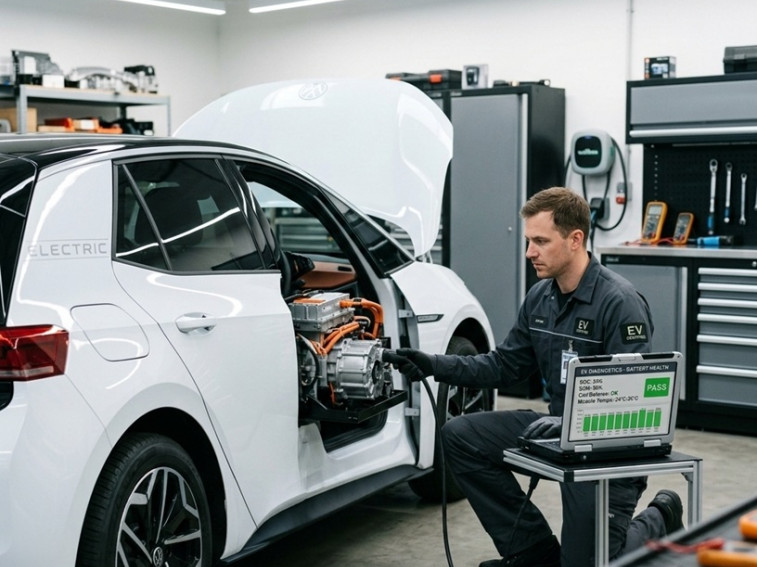
The UK salvage auction market is experiencing a significant shift as electric vehicles become increasingly common among damaged stock. This trend directly reflects the broader automotive transition, with EVs now representing a substantial proportion of new vehicle sales. For buyers looking at electric car repairs and EV salvage repair work, these units demand a fundamentally different evaluation approach compared to conventional petrol or diesel stock.
Understanding battery health, specialist repair requirements, and regulatory compliance has become essential for anyone considering EV salvage repair projects. The 2026 market conditions favour knowledgeable buyers who can confidently navigate these EV-specific challenges while avoiding the costly pitfalls that catch inexperienced bidders. Comprehensive data accessibility remains the primary tool for ensuring a successful acquisition in this evolving sector.
The Expanding EV Salvage Market
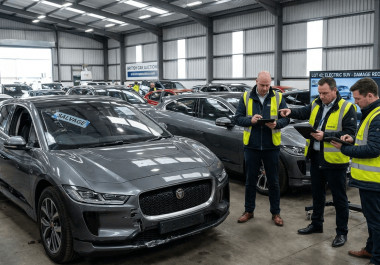
Electric vehicles are no longer rarities in UK auctions. As early adopter fleets enter their second ownership phase and new EV sales continue climbing, the volume of damaged electric vehicles entering the market has grown substantially. Category N electric vehicles, where damage is limited to cosmetic or non-structural components, can offer exceptional value when the battery pack and powertrain remain unaffected. Professional buyers looking to source high-margin inventory often focus on these units due to their potential for high returns post-restoration.
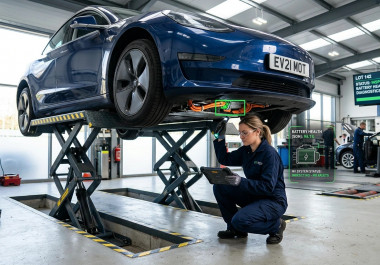
However, EVs present a different risk profile compared to traditional vehicles. Battery condition represents the single most critical factor determining whether a salvage EV represents a sound investment or an expensive mistake. While a conventional car's engine condition can often be assessed through visual inspection and diagnostic codes, battery health requires more sophisticated analysis. Accurate electric car repairs depend on this initial diagnostic phase to ensure the restoration remains financially viable.
Battery Health Assessment Fundamentals
State of Health (SoH) percentage indicates a battery's remaining capacity versus its original specification. A five-year-old EV showing 85-90% SoH is considered normal degradation, while figures below 75% suggest accelerated wear that could necessitate expensive intervention. A full high-voltage battery replacement typically costs between £5,000 and over £15,000 depending on the make and model, making this the single largest repair cost risk.
Auction documentation increasingly includes diagnostic reports showing State of Health (SoH) metrics and other critical data points. When conducting remote inspections through online vehicle auctions, buyers should prioritise lots with verified battery health reports and condition data. Through RAW2K, users can access a transparent platform for these assessments, ensuring they have the necessary data before committing to a purchase.
Thermal management system damage presents a subtler risk. Coolant leaks or damaged battery temperature sensors may not produce obvious external indicators but can significantly affect long-term battery performance and safety. RAW2K listings increasingly provide detailed diagnostic information enabling more informed EV salvage repair assessments and accurate high-voltage battery replacement cost projections if the unit is beyond salvage.
Specialist Repair Requirements and Certification
High-voltage electrical systems demand qualified technicians with specific EV training and certification. Standard mechanical workshops cannot legally work on certain EV components without proper accreditation. While units are readily available for purchase, the restoration itself must be handled by external specialists. This reality directly impacts electric car repairs cost calculations, as specialist labour rates typically run 20-40% higher than conventional mechanics. Accessing a salvage auction guide ensures that buyers understand the necessary safety protocols followed during the decommissioning and repair of high-voltage systems.
Insurance companies require documented proof of qualified repairs for any salvage EV returning to the road. Parts sourcing presents additional challenges, with some components available only through franchised dealers. Buyers contemplating EV salvage repair projects should establish relationships with third-party certified repairers before committing to auction purchases.
Regulatory and Insurance Considerations
DVLA notification requirements for salvage EVs mirror those for conventional vehicles, but insurance classification may differ. Some insurers apply distinct risk assessments to repaired salvage electric vehicles, affecting premium calculations. The V5C documentation must accurately reflect the vehicle's electric powertrain for tax and compliance purposes.
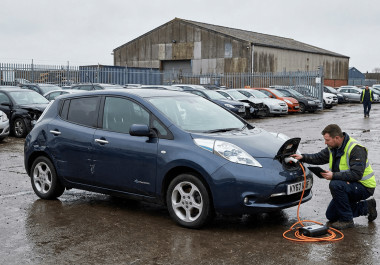
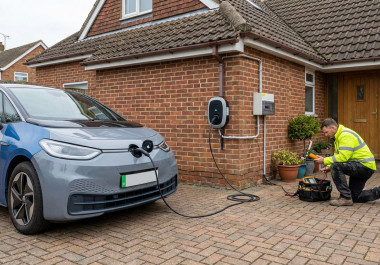
Battery warranty implications deserve careful consideration, particularly if the vehicle was previously subject to manufacturer recalls or service campaigns. Certain safety-critical battery updates may be required before insurance or warranty coverage can be established. Charging infrastructure compatibility is especially relevant for older EV models using outdated connector standards. Accurate paperwork remains the cornerstone of any successful restoration project in the current market.
Strategic Bidding on Electric Salvage Vehicles
Calculate total restoration costs, including specialist labour, high-voltage battery replacement contingencies, and certification fees, before placing any bid. Category N EVs with verified battery health reports offer the lowest risk entry point to the electric salvage market. Detailed diagnostic data enables more confident remote bidding decisions compared to lots lacking comprehensive battery assessment information.
Popular EV models with established parts networks reduce repair complexity and cost uncertainty. Market demand for affordable used electric vehicles creates strong resale potential for successfully restored units, but only when restoration costs remain controlled. Conservative bidding discipline becomes essential when battery health reports or condition data are incomplete. Professional buyers should browse available cars to monitor EV salvage availability and track pricing trends across different makes and models.
Conclusion
The salvage electric vehicle market presents compelling opportunities for buyers who invest time understanding EV-specific assessment criteria and repair pathways. Battery health evaluation, specialist certification requirements, and regulatory compliance represent the primary knowledge barriers separating profitable restorations from costly mistakes. As the UK's EV fleet expands, salvage auction volumes will continue increasing, rewarding early adopters who develop expertise in this evolving market segment.
Success requires combining traditional salvage assessment skills with EV-specific technical knowledge and established relationships with qualified repair facilities. If technical questions arise regarding specific listings, feel free to contact our support team directly for expert assistance. Ready to start? Register to bid today and join the UK's leading salvage marketplace.