The difference between a profitable salvage repair and a money pit often comes down to one factor: how you source your parts. Get it right, and you complete repairs under budget with quality components. Get it wrong, and you either overpay for parts you did not need or end up with cheap components that fail within months.
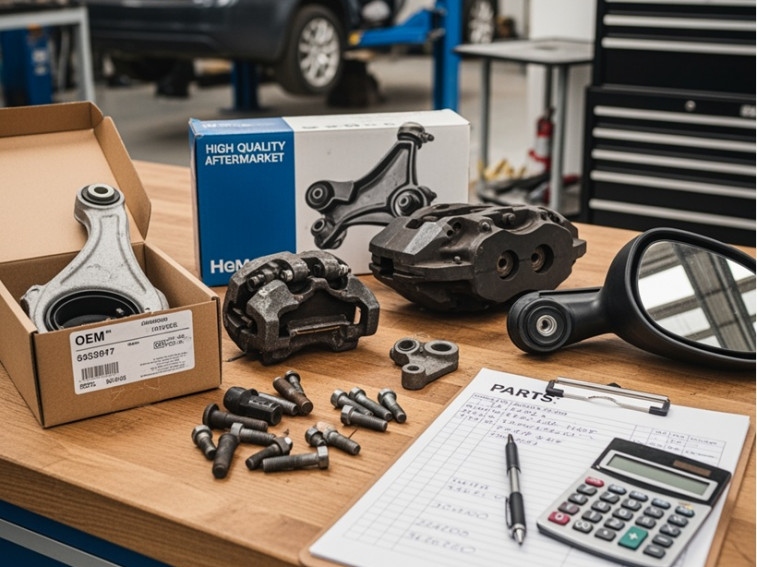
A smart parts sourcing strategy balances cost, quality, and availability across three main categories: OEM (Original Equipment Manufacturer), aftermarket, and salvage. Each has its place depending on the vehicle, the repair type, and your end goals. Knowing when to use each category separates successful salvage buyers from those who wonder where their profit margin went.
This guide breaks down when to use OEM aftermarket salvage parts, how to source them effectively, and how to build relationships that give you access to the best components at the best prices when buying from platforms like RAW2K.
Understanding the Three Parts Categories
Before developing your parts sourcing strategy, you need to understand exactly what each category offers and where it fits in the repair landscape.
OEM Parts
OEM parts come directly from the vehicle manufacturer or their approved suppliers. A genuine BMW door panel, a Ford-branded alternator, or a Mercedes suspension arm sourced through a main dealer falls into this category. These parts are identical to what came on the vehicle originally, with manufacturer backing and typically a warranty.
Aftermarket Parts
Aftermarket parts are manufactured by third-party companies to fit specific vehicles. Quality ranges enormously, from budget pattern parts that barely fit to premium aftermarket components that match or exceed OEM specifications. Major aftermarket brands invest heavily in engineering and quality control, while budget suppliers cut corners to hit price points.
Salvage Parts
Salvage parts come from other vehicles, typically those written off by insurers or broken for spares. A door from a Cat S vehicle becomes a salvage part when fitted to another vehicle. These parts offer significant cost savings and are often the only source for discontinued components on older vehicles.
Each category of OEM aftermarket salvage parts serves different needs. Your job is matching the right category to each component on your repair list.
When OEM Parts Make Sense
OEM parts cost more, sometimes significantly more. But there are situations where paying the premium is the right business decision.
Safety-Critical Components
Anything affecting crash safety should typically be OEM. Structural components, airbag systems, seatbelt mechanisms, and brake components all fall into this category. Insurers and engineers scrutinise these items carefully, and fitting non-OEM safety components can create liability issues and complications with re-registration.
For Cat S repairs especially, structural panels often need to be OEM or manufacturer-approved equivalent. Using a budget pattern panel for a structural repair might save money upfront but can fail inspection and require replacement anyway.
Warranty and Certification Requirements
Some repairs require documented OEM parts to maintain warranties or meet certification standards. If you are repairing a vehicle that still has manufacturer warranty remaining, non-OEM parts in certain areas might void coverage. Similarly, some fleet buyers and leasing companies require OEM parts documentation.
Premium Vehicle Restoration
Restoring a premium salvage vehicle for resale to discerning buyers often justifies OEM parts. Buyers paying £20,000 for a repaired BMW expect genuine parts. The additional cost gets recovered in the selling price and makes the vehicle easier to move. This is where your parts sourcing strategy affects resale directly.
Complex Electronic Systems
Modern vehicles have increasingly complex electronics that rely on precise component specifications. Aftermarket alternatives for ECUs, sensors, and control modules sometimes cause compatibility issues. For these components, OEM often provides the most reliable solution despite higher costs.
The Aftermarket Advantage
Aftermarket parts represent the sweet spot for many salvage repairs, offering substantial savings without compromising quality when you choose suppliers carefully.
Significant Cost Savings
Aftermarket parts typically cost 30-60% less than OEM equivalents. On a repair requiring multiple panels, suspension components, and trim pieces, those savings compound rapidly. A repair costing £3,000 in OEM parts might cost £1,500-£2,000 with quality aftermarket alternatives.
Quality Variation
The aftermarket ranges from excellent to terrible. Premium aftermarket brands like Febi Bilstein, Lemförder, and TRW manufacture to OEM specifications or better. Budget pattern parts from unknown suppliers might not fit properly, fail prematurely, or cause additional problems.
Learn which aftermarket brands are reliable for your target vehicles. German car specialists know which aftermarket suspension brands work well on BMWs. Van specialists know which brake component suppliers offer reliability. This knowledge becomes part of your parts sourcing strategy advantage.
Performance Upgrades
Aftermarket also includes performance and upgraded components. Uprated brake discs, improved suspension bushes, and enhanced cooling components can add value to a salvage repair. Some buyers specifically seek vehicles with quality aftermarket upgrades. Your choice of OEM aftermarket salvage parts can actually increase vehicle appeal.
Availability
Aftermarket parts are often more readily available than OEM, especially for popular vehicles. While main dealers quote weeks for certain OEM components, aftermarket suppliers stock the same items for immediate dispatch. Faster repairs mean lower storage costs and quicker turnaround.
Salvage Parts: Maximum Value Recovery
Salvage parts offer the largest cost savings and are often the smartest choice for cosmetic repairs, discontinued components, and budget-conscious projects.
Dramatic Cost Savings
A salvage door panel costs a fraction of OEM or aftermarket alternatives. Where an OEM door might cost £800 and aftermarket £400, a salvage door from a breaker could be £80-£150. Multiply these savings across multiple panels, and the impact on repair economics is substantial.
Colour-Matched Panels
Salvage body panels often come already colour-matched. Finding a door from the same model in the same paint code eliminates painting costs entirely. The panel arrives ready to fit, saving £200-£400 in paint and prep compared to priming and painting a new panel.
Complete Assemblies
Breakers sell complete assemblies that simplify repairs. A complete front-end assembly including bumper, headlights, grille, and slam panel from one donor vehicle ensures everything fits together properly. Sourcing these components individually from different suppliers risks fitment issues.
Discontinued Parts
For older vehicles, salvage is often the only source for certain components. Manufacturers discontinue parts as vehicles age. Pattern part manufacturers only cover popular items. Breakers holding stock of older vehicles become essential suppliers for keeping these vehicles on the road.
Environmental Benefits
Reusing salvage parts keeps components out of landfill and reduces manufacturing demand. Buyers increasingly value sustainability, and being able to document salvage parts usage appeals to environmentally conscious purchasers. Your parts sourcing strategy can align with broader sustainability goals.
Cost Comparison by Component Type
Understanding typical price differentials helps you allocate your parts budget effectively across OEM aftermarket salvage parts categories.
Body Panels
Front wings: OEM £200-£600, Aftermarket £80-£200, Salvage £30-£80
Doors: OEM £400-£1,200, Aftermarket £200-£500, Salvage £60-£200
Bonnets: OEM £300-£800, Aftermarket £150-£350, Salvage £50-£150
Bumpers: OEM £200-£600, Aftermarket £80-£250, Salvage £40-£120
Mechanical Components
Brake discs (pair): OEM £150-£400, Aftermarket £60-£150, Salvage £30-£60
Suspension arms: OEM £100-£300, Aftermarket £40-£120, Salvage £20-£50
Alternators: OEM £200-£500, Aftermarket £80-£200, Salvage £40-£100
Electrical Components
Headlights: OEM £300-£1,500, Aftermarket £100-£400, Salvage £50-£200
Instrument clusters: OEM £400-£1,000, Aftermarket rarely available, Salvage £60-£200
ECUs: OEM £500-£2,000, Aftermarket rarely available, Salvage £100-£400
These figures are indicative and vary by vehicle make and model. Premium vehicles command higher prices in all categories. Your parts sourcing strategy should account for these variations.
Quality Considerations and Risks
Each parts category carries different quality considerations and risks that affect your sourcing decisions.
OEM Consistency
OEM parts offer consistent quality backed by manufacturer warranties. You know exactly what you are getting, and fitment is guaranteed. The risk is primarily cost, not quality. Genuine parts occasionally have defects, but warranty coverage protects you.
Aftermarket Variation
Aftermarket quality varies enormously. Established brands with good reputations generally deliver reliable products. Unknown brands or suspiciously cheap components often disappoint. Check reviews, ask other buyers, and be willing to pay slightly more for reputable aftermarket brands.
Pattern parts sometimes require minor modifications for proper fitment. Adjustment slots might not align perfectly, or mounting points might need slight enlargement. Factor in additional fitting time when choosing budget aftermarket options.
Salvage Inspection Requirements
Salvage parts need careful inspection before fitting. Mechanical components might have hidden wear. Electrical items might have intermittent faults. Body panels might have repair history or hidden damage. Buy from reputable breakers who accurately describe condition, and inspect components thoroughly before installation.
Breakers specialising in trade sales understand these requirements and grade their stock accordingly. Building relationships with quality breakers who supply other professional buyers improves your salvage parts reliability.
Matching Parts Strategy to Vehicle Type
Different vehicles demand different parts sourcing strategies based on their market positioning and buyer expectations.
Economy Vehicles
Budget cars like Fiestas, Corsas, and older Golfs suit cost-focused parts strategies. Buyers of these vehicles prioritise value over brand-name components. Quality aftermarket and salvage parts make repairs economical while maintaining roadworthiness. Investing in OEM for a £2,000 car rarely makes financial sense.
Premium Vehicles
BMWs, Mercedes, Audis, and similar marques command higher resale prices that justify better parts. Buyers expect quality, and cutting corners on visible components reduces sale price. Use OEM for visible and safety items, quality aftermarket for mechanical components, and salvage selectively for colour-matched panels.
Classic and Enthusiast Vehicles
Originality matters for classics. Enthusiast buyers pay premiums for correct parts and will discount heavily for incorrect components. OEM new-old-stock and quality salvage from the correct era often command premiums themselves. Your parts sourcing strategy should prioritise authenticity for these vehicles.
Commercial Vehicles
Vans and trucks need durability above all. Fleet buyers care about reliability and total cost of ownership, not badge snobbery. Quality aftermarket parts often outperform OEM in commercial applications because they are designed for harder use. Salvage parts work well for body panels on working vehicles that accumulate cosmetic damage anyway.
Matching Parts Strategy to Repair Type
The nature of the repair also influences optimal parts selection across OEM aftermarket salvage parts options.
Structural Repairs
Cat S structural repairs typically require manufacturer-approved components or OEM parts. Insurers and engineers scrutinise these repairs carefully. Cutting corners on structural panels creates safety risks and can fail inspection. Allocate budget for proper structural components and save elsewhere.
Cosmetic Repairs
Cat N cosmetic repairs offer more flexibility. Aftermarket panels and salvage colour-matched components work perfectly well. Paint quality matters more than panel source for final appearance. This is where salvage parts deliver maximum value without compromising the repair.
Mechanical Repairs
Mechanical components suit aftermarket and salvage depending on the specific item. Wear items like brake pads, filters, and belts suit quality aftermarket. Salvage works well for hard parts like gearbox internals, engine components, and suspension arms that show minimal wear. Your parts sourcing strategy should differentiate between wear items and hard parts.
Electrical Repairs
Electrical components present the most complexity. ECUs, sensors, and control modules often suit OEM or salvage from identical vehicles. Aftermarket electrical components exist but vary in reliability. For critical electrical items, salvage from a known-good donor vehicle often provides better reliability than budget aftermarket alternatives.
The salvage auction guide provides additional information on assessing vehicles and planning repairs.
Building Supplier Relationships
Consistent supplier relationships transform your parts sourcing from reactive purchasing to strategic advantage.
Trade Account Benefits
Establish trade accounts with motor factors, aftermarket distributors, and main dealer parts departments. Trade pricing typically offers 20-40% discount from retail. Credit terms improve cash flow by allowing you to complete repairs before paying for parts.
Breaker Yard Relationships
Find 2-3 reliable breakers who stock vehicles matching your typical purchases. Regular custom earns you first access to fresh stock, accurate condition reports, and flexible terms. A breaker who knows you will buy the engine, gearbox, and most panels from a newly acquired vehicle might offer attractive package pricing.
Specialist Supplier Networks
Different vehicles need different specialists. German car breakers for BMWs, van specialists for Transits, JDM importers for Japanese performance parts. Building networks of specialists for your target vehicles ensures you can always source what you need quickly.
Sourcing Tactics for Common Components
Practical tactics for sourcing specific component types optimise your parts sourcing strategy in action.
Body Panels
Check salvage yards first for colour-matched panels. Compare aftermarket pricing across multiple suppliers as prices vary significantly. Consider OEM only for complex panels with integrated features or for premium vehicle resales. Factor painting costs into aftermarket panel decisions.
Mechanical Parts
Use quality aftermarket for wear items, brakes, and suspension. Source salvage for transmission components, differentials, and engine internals. Reserve OEM for manufacturer-specific items with no reliable alternatives. Always verify part numbers before ordering. Browse salvage cars for sale listings to identify potential donor vehicles for parts.
Electrical Components
Match ECUs and control modules to exact specifications as subtle differences cause problems. Salvage electrical items from identical vehicles work reliably. Test salvage electrical components before fitting where possible. Budget aftermarket electrical items frequently disappoint.
Glass and Trim
Windscreens suit aftermarket supply with proper fitting. Side glass and trim often source best from salvage as pattern parts have poor fitment. Interior trim almost always suits salvage as new parts are expensive and salvage condition is usually good.
Online vs Local Sourcing
Both online and local sourcing have roles in comprehensive parts procurement for OEM aftermarket salvage parts.
Online Advantages
Online sourcing offers price comparison across multiple suppliers, access to national stock, and convenient ordering. Specialist online breakers list thousands of parts with photos and condition descriptions. Price comparison sites show aftermarket options across dozens of suppliers instantly.
Local Advantages
Local breakers allow inspection before purchase, eliminating shipping costs and return hassles. Building face-to-face relationships with local suppliers often yields better service and first access to fresh stock. Collection eliminates shipping delays for urgent parts.
Shipping Cost Considerations
Heavy items like engines, gearboxes, and body panels incur significant shipping costs. Factor these into price comparisons. A salvage engine costing £200 plus £80 shipping might not beat a local engine at £250 with free collection.
Inspection Opportunities
Physical inspection catches issues photos miss. Visiting a breaker to inspect a salvage engine reveals oil leaks, unusual noises, and general condition that descriptions cannot convey. For high-value salvage parts, local sourcing with inspection often provides better outcomes despite slightly higher prices.
Managing Parts Inventory
Effective parts management keeps projects moving and cash flow healthy.
Storage Requirements
Salvage projects often require storing parts before fitting. Allocate clean, dry storage for panels to prevent damage. Keep mechanical parts organised and labelled. Poor storage damages parts and wastes time searching for misplaced components.
Ordering Timeline
Order long-lead items immediately after vehicle acquisition. OEM structural panels might take weeks. Salvage parts from distant breakers need shipping time. Waiting until you need a part to order it extends project timelines unnecessarily.
Returns and Warranty
Understand return policies before ordering. Aftermarket distributors typically accept returns on unused parts. Salvage yards vary in their return policies. OEM dealers often refuse returns on special orders. Build these considerations into your purchasing decisions.
Explore damaged vehicle auctions for potential project vehicles and donor vehicle opportunities.
Conclusion
Effective parts sourcing strategy balances cost, quality, and availability across OEM aftermarket salvage parts options. No single category suits every component or every repair. The skilled salvage buyer matches parts choices to specific needs, building relationships and knowledge that consistently deliver the right parts at the right prices.
Use OEM for safety-critical components, warranty-sensitive repairs, and premium vehicle resales. Leverage quality aftermarket for mechanical wear items and cosmetic repairs where brand is less important than function. Maximise salvage for colour-matched panels, discontinued parts, and budget-conscious projects.
Build supplier relationships that provide trade pricing, first access to stock, and knowledgeable advice. Develop networks of specialists covering your typical vehicle purchases. Combine online and local sourcing to balance price, convenience, and inspection opportunities.
Your parts sourcing strategy directly impacts repair profitability. Invest time in building knowledge and relationships that give you consistent access to quality components at competitive prices. The savings compound across every repair, turning good auction purchases into profitable completions.
Browse UK salvage auctions and salvage motorcycle auctions to find your next project. Register for salvage auctions today.