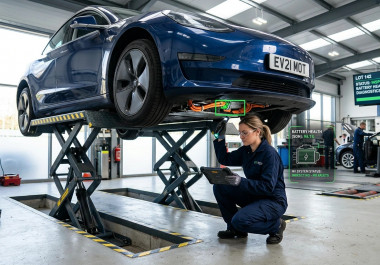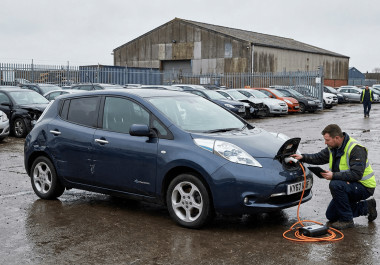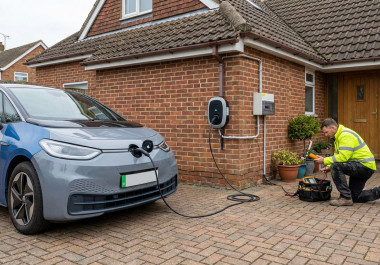
You've won the bid on that salvage BMW, your heart's racing, and then reality hits - where exactly are you going to put it? It's a question that catches out more auction buyers than I care to count, especially those new to the salvage game. I once watched a bloke win three Cat S cars in a single evening, absolutely buzzing with the deals he'd secured. Two weeks later, he was paying through the nose for extended storage at the auction compound because he hadn't sorted out where they'd actually go. Those bargains quickly became expensive lessons. The truth is, salvage car storage isn't just an afterthought when buying salvage vehicles - it's a critical part of your bidding strategy. Get it wrong, and those auction fees will eat into your profit margin faster than rust through a sill panel.
Why Salvage Buyers Need Temporary Storage
Unlike buying from a forecourt where you drive away immediately, salvage auctions operate on strict collection deadlines. Most auction houses, including RAW2K, give you a specific window to collect your vehicle - typically between 3-7 days from winning the bid. Miss that deadline? You'll face daily storage charges that can quickly spiral. We're talking £10-25 per day in many cases, which adds up alarmingly fast when you're juggling multiple purchases or waiting for transport. The collection pressure is real. You might win a vehicle on Monday evening, but your mate with the trailer isn't free until the following weekend. Your garage bay is occupied with another project. The recovery truck you've booked gets delayed. Suddenly, you need somewhere to put a non-runner that can't simply sit on the street. Salvage vehicles present unique storage challenges too. Many are non-roadworthy, meaning you can't just park them on your drive and sort them later. Some lack keys, have seized brakes, or need specialist recovery equipment to move safely.
Understanding Your Storage Timeline
Before you even place that first bid, map out your realistic storage timeline. I've seen too many optimistic buyers assume they'll have everything sorted "within a couple of days" only to discover their carefully laid plans fall apart. Start with the collection deadline. Check the auction terms carefully - some compounds are strict about their windows, whilst others offer a bit more flexibility for a fee. Factor in weekends and bank holidays when facilities might be closed. Then consider your actual project timeline. Are you repairing this vehicle immediately, breaking it for parts, or flipping it on? Each scenario demands different storage durations. Short-term storage (1-14 days) suits buyers who've already lined up transport, have immediate workspace available, or are quickly moving vehicles on to trade buyers. This is your sweet spot for keeping costs minimal. Medium-term storage (2-8 weeks) works for project cars awaiting parts, vehicles you're assessing for repair viability, or stock you're holding until market conditions improve. This requires more robust solutions than just "I'll bung it in my mate's yard." Anything beyond eight weeks stops being temporary and becomes long-term storage, which opens up entirely different considerations around security, weatherproofing, and legal compliance.
Home and Garden Storage Options
Your own property is the obvious first choice, assuming you've got the space and the right setup. It's free, it's convenient, and you can access the vehicle whenever you need to assess damage or start work. Driveways and front gardens work fine for short stays with roadworthy vehicles, but check your property deeds and local council regulations first. Some areas restrict commercial vehicle storage or impose limits on non-taxed vehicles visible from the road. I knew a dealer who stored Cat N cars on his drive for years without issue, then got hit with enforcement action after a neighbour complained. Turned out his property had restrictive covenants he'd never read. Back gardens and side access offer more privacy and fewer restrictions, but you'll need proper access. A narrow side gate won't accommodate most vehicles, and driving across lawns in winter creates ruts you'll regret come spring. Consider these practical factors:
-
Ground conditions - will the weight of a vehicle sink into soft ground or damage paving?
-
Security - is the vehicle visible from the road or vulnerable to theft or vandalism?
-
Weather protection - will sitting outdoors for weeks cause additional deterioration?
-
Access for recovery - can a trailer or transporter actually reach the spot?
For non-runners, you'll need to factor in recovery costs to get the vehicle from the auction compound to your property. That's an extra £100-300 depending on distance, which eats into your budget.
Using Friends and Family Land
Borrowing space from someone you know is a time-honoured solution, but treat it professionally even when it's your brother-in-law's yard. Clear communication prevents relationships turning sour over what seemed like a casual favour. Agree terms upfront. How long can the vehicle stay? What happens if your timeline extends? Are they expecting payment, or is this a genuine favour? Get it in writing, even if it feels awkward. I've seen friendships fracture over a "quick two-week stay" that stretched to three months because the buyer kept hitting delays with parts or repairs. The vehicle owner assumed it was fine; the landowner was seething but too polite to say anything until they eventually exploded. Insurance and liability matter, even on private land. If your salvage vehicle leaks fluids, attracts vandals, or somehow causes damage or injury, who's responsible? Your standard motor insurance won't cover a vehicle in storage, and your mate's home insurance might not cover your property on their land. Check whether you need specialist vehicle storage insurance or whether your existing policies extend to this scenario. It's an awkward conversation to have after something goes wrong. Respect the space you're borrowing. Don't let your project become an eyesore that attracts complaints from their neighbours or creates issues with their own property use. Keep the area tidy, manage any fluid leaks, and stick to your agreed timeline.
Commercial Storage Yards
When home storage isn't viable, commercial vehicle storage offers a professional solution. These facilities range from basic secure compounds to sophisticated operations with covered storage, security systems, and on-site management. Secure compounds provide the essentials - fenced perimeter, often with CCTV and sometimes security patrols. You'll pay roughly £20-50 per week depending on location, with urban areas commanding premium rates. They're ideal for vehicles awaiting collection or short-term holds between purchase and repair. Look for yards that specialise in salvage or trade vehicles rather than general storage. They understand the unique requirements - non-runners, vehicles without keys, potential fluid leaks - and won't balk when your Cat S arrives on a recovery truck. Container storage works brilliantly for complete weather protection and security. A 20-foot shipping container accommodates most cars and protects them from the elements. Some yards offer container rental specifically for vehicle storage at £80-150 per month. The beauty of containers? They're weatherproof, secure, and you can often store parts, tools, or multiple motorcycles alongside a vehicle. I've used them for winter project storage where I needed to protect bodywork from moisture whilst gathering parts. When evaluating commercial storage yards, check:
-
Access hours - can you collect the vehicle outside standard business hours if needed?
-
Security measures - CCTV, lighting, fencing, and monitoring
-
Ground conditions - hard standing prevents vehicles sinking or getting stuck
-
Insurance requirements - what cover do they mandate, and what do they provide?
-
Notice periods - can you remove the vehicle at short notice, or are you locked into minimum terms?
Browse vehicle auctions across different regions to understand where you're likely buying, then research storage options near those auction compounds to minimise transport costs.
Self-Storage Units and Garages
Traditional self-storage facilities increasingly cater to vehicle storage, though they're generally pricier than open compounds. You're looking at £150-300 monthly for a unit large enough to accommodate a car, more in city centres. The advantages? Complete weather protection, 24/7 access in many cases, and high security with individual unit locks plus facility-wide systems. They're ideal if you're storing a vehicle with valuable parts, rare components, or anything that deteriorates rapidly in outdoor conditions. Check the terms carefully. Many self-storage operators prohibit vehicles with fuel in the tank, leaking fluids, or missing key components. A salvage car with a cracked radiator leaking coolant might violate their terms and get you evicted with little notice. Some facilities offer dedicated vehicle storage units with higher doors, better ventilation, and appropriate flooring. These cost more but accommodate taller vehicles like vans and eliminate the awkward manoeuvring required to fit a car through a standard storage unit door. Private garages available for rent through local classifieds or property sites offer another option. You'll pay anywhere from £50-200 monthly depending on location, size, and condition. They provide weather protection and reasonable security, though usually without the sophisticated monitoring of commercial facilities. The downside? Private garage rentals often involve month-to-month tenancies that can be terminated with minimal notice, creating uncertainty if you need reliable longer-term storage.
Auction Compound Extended Storage
Most auction houses offer extended storage beyond the standard collection window, though it's designed as a costly deterrent rather than a viable long-term solution. Daily rates typically start around £10-15 and increase the longer your vehicle sits. It's expensive, but sometimes it's your best option when transport falls through or you're coordinating collection of multiple vehicles. The advantages are significant - the vehicle's already there, it's secure, and you avoid the hassle and cost of moving it twice. Calculate the break-even point. If commercial storage costs £30 weekly but recovery to that facility costs £150, you'd need to store for five weeks before the compound option becomes more expensive. For genuinely short delays, extended auction storage makes financial sense. Some auction houses offer discounted storage rates for regular trade buyers or when you're purchasing multiple vehicles. It's worth asking, especially if you're building a relationship as a frequent bidder on RAW2K's salvage and seized vehicle auctions. Always communicate with the auction house if you're running into collection difficulties. They'd rather work with you on storage arrangements than deal with abandoned vehicles, and they might offer flexibility you wouldn't get otherwise.
Mobile and Portable Solutions
For buyers with space but no permanent structure, portable garages and car covers offer weather protection without planning permission or permanent construction. These fabric structures on metal frames cost £200-600 and assemble in a few hours. They're not Fort Knox, but they protect vehicles from rain, UV damage, and casual attention whilst you're working through assessment or waiting for parts. They work brilliantly on driveways or in gardens where you've got the footprint but need weather protection. Car covers are the budget option at £30-100 for quality breathable covers that prevent moisture buildup whilst protecting paintwork. They're fine for short-term storage in relatively secure locations but offer zero security and limited protection against determined thieves or vandals. For buyers regularly handling multiple vehicles, trailer storage becomes viable. Buy or rent a car trailer (£500-2000 used, £50-100 weekly rental) and you've got mobile storage that can sit on your property, a rented space, or borrowed land. The vehicle stays on the trailer until you're ready to work on it. I've seen clever operators use trailers as rolling storage, collecting multiple auction wins over a week, then spending a weekend assessing and sorting them all at once. It's efficient if you've got the space and systems to manage it.
Legal and Insurance Considerations
Here's where many salvage buyers get unstuck - assuming that because a vehicle is off the road, it's off the radar. Wrong. SORN requirements are mandatory if your vehicle isn't taxed and insured for road use. Even in storage, even without keys, even if it's a rolling shell. Fail to declare SORN and you'll face fines and potential legal action. You must SORN the vehicle as soon as you become the registered keeper, which happens when the V5C transfers to your name. The previous keeper's SORN doesn't transfer with the vehicle. Insurance requirements vary depending on your storage location and circumstances. Vehicles on public roads need road insurance, obviously. But what about that Cat S car on your driveway or in a rented garage? Your home insurance might extend to property in your garden, but it probably won't cover a vehicle you've bought for commercial purposes. Motor insurance doesn't cover vehicles in storage unless you've specifically arranged it. Specialist vehicle storage insurance exists for exactly this scenario - vehicles in storage, under repair, or awaiting assessment. It's not expensive (often £50-150 annually) and protects against fire, theft, and damage whilst the vehicle isn't road-legal. If you're storing on rented land or in commercial facilities, check what insurance they require you to carry and what coverage they provide. Don't assume anything - get it in writing. Environmental regulations apply too. Salvage vehicles often leak fluids - oil, coolant, brake fluid, fuel. You're responsible for preventing environmental contamination, whether that's on your own land or someone else's. Use drip trays, absorbent materials, and proper disposal methods for any fluids. Letting a Cat S wreck leak oil across your mate's yard or into a storage facility's drainage system creates liability and potential prosecution under environmental protection laws.
Cost Management and Planning
Smart salvage buyers factor storage costs into their bidding calculations from the start. That £800 Cat N bargain becomes less appealing when you add £200 for recovery and £120 for three weeks' storage whilst you source parts and arrange repairs. Build storage costs into your budget. Before bidding, know:
-
Collection deadline and any flexibility
-
Your realistic timeline for collection or onward movement
-
Storage options available and their costs
-
Transport costs to move the vehicle to storage
-
Insurance requirements and costs
I use a simple rule - if storage and transport will add more than 15% to my total acquisition cost, I need to either have immediate use for the vehicle or reconsider whether it's actually a bargain. Plan for contingencies. Your best-laid plans will occasionally collapse. The parts you ordered are delayed. Your garage bay isn't available when expected. The buyer who committed to taking the vehicle ghosts you. Budget for an extra week or two of storage as a buffer. For regular auction buyers, establishing relationships with storage providers can unlock better rates and flexible terms. A yard owner who knows you're good for payment and collect vehicles promptly might offer weekly rates rather than daily, or waive fees for short overruns.
Making Storage Work for Your Salvage Strategy
The best salvage buyers treat salvage car storage as a strategic tool rather than a necessary evil. Having reliable storage options lets you bid more confidently, knowing you're not forced into rushed decisions about collection or immediate resale. Storage enables better timing. You can hold a vehicle until market conditions improve, wait for the right parts to become available, or accumulate several projects before dedicating time to work through them all efficiently. I've bought winter projects in autumn, stored them cheaply through the quiet months, then had them ready for spring when demand and prices peak. That's only possible with cost-effective storage. Multiple storage options give you flexibility. Perhaps you've got home storage for one or two vehicles, a relationship with a local yard for overflow, and knowledge of self-storage options for anything needing weather protection. That flexibility lets you bid on various vehicle types without worrying about where they'll go. For buyers focusing on motorcycles and scooters, storage becomes even more manageable - bikes take less space, fit in smaller units or garages, and cost less to store commercially. You can often store multiple bikes in the space one car requires.
Conclusion
Temporary storage isn't glamorous, but it's the difference between salvage buying as a profitable venture and an expensive headache. Every successful auction buyer I know has sorted their storage strategy before they place their first bid, not after they've won something and panic sets in. Start with the basics - understand your collection timeline, know your SORN requirements and insurance obligations, and calculate storage costs into every bid you make. Whether that's space at home, a mate's yard, or a commercial facility, having a plan prevents those expensive mistakes. The salvage game rewards preparation and planning. Get your storage sorted, and you're free to focus on what actually matters - spotting those genuine bargains, assessing vehicles properly, and building a profitable operation. If you need guidance on any aspect of buying at auction, our FAQ section covers the common questions, or you can get in touch directly for specific advice. Salvage car storage might seem like a boring detail compared to the excitement of winning bids, but it's these boring details that separate profitable salvage buyers from expensive amateurs. Sort it once, and you'll never be that person paying daily compound fees because you didn't think it through.
Meta Title: Temporary Storage Solutions for Salvage Car Buyers Meta Description: Where do you put that salvage car after winning the bid? Practical storage solutions for auction buyers, from home options to commercial yards.