You have just won a Cat S BMW at auction for half its retail value. It is a cracker of a deal, until you ring your local garage and they go quiet when you mention the words "salvage" and "structural damage." This happens dozens of times. Buyers get brilliant bargains at auction, then struggle to find anyone willing to touch the repairs.
Here is the thing: not every mechanic wants to work on salvage vehicles, and frankly, not every mechanic should. A Cat S repair is not like changing brake pads or fixing a dodgy alternator. It requires specialist knowledge, proper equipment, and often insurance-approved certification. Finding the right specialist salvage mechanics can mean the difference between a vehicle that is safe and roadworthy, and one that is a liability waiting to happen.
The salvage repair world operates differently from standard garage work. You are not just fixing a car. You are restoring a vehicle that has been written off by an insurer, often with structural or significant damage. That takes a particular type of mechanic, and knowing where to find them is half the battle when buying from platforms like RAW2K.
Understanding What Makes a Salvage Specialist Different
Standard mechanics fix problems. Salvage specialists rebuild vehicles that insurers have deemed too expensive to repair through normal channels. That is a crucial distinction.
When you buy salvage vehicles, you are often looking at vehicles with Cat S (structural damage), Cat N (non-structural damage), or even unrecorded damage. Each category needs different expertise. A mechanic who is brilliant at engine rebuilds might be completely out of their depth with chassis straightening or airbag system recalibration.
A buyer once took a Cat S Audi to three different garages. The first two refused outright. The third quoted £8,000 for repairs that a specialist later did for £4,200. Why? Because the specialist had the right jigs, the manufacturer-approved repair methods, and crucially, the confidence to tackle structural work that general mechanics will not touch. This demonstrates the value of proper Cat S repair expertise.
Specialist salvage mechanics typically have:
Manufacturer-specific training for structural repairs
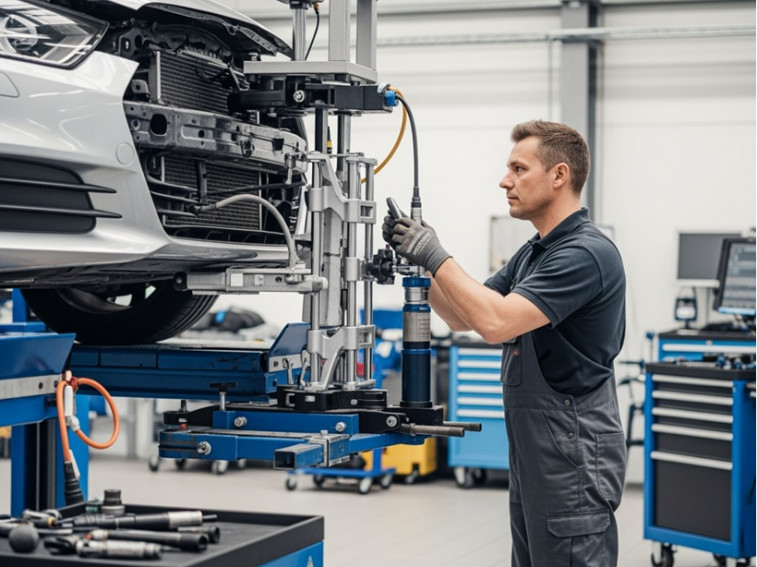
Jig and alignment equipment for chassis work
Insurance-approved processes for Cat S repairs
Relationships with parts suppliers who deal in salvage and OEM components
Experience with HPI checks and re-registration processes
They are not just fixing your car. They are rebuilding it to a standard that will pass an MOT, satisfy an insurance company, and keep you safe on the road.
Start with Insurance-Approved Repairers
The absolute gold standard for salvage work is an insurance-approved repairer. These are garages that insurance companies trust to repair vehicles to manufacturer standards. If they are good enough for insurers writing £20,000 claims, they are good enough for your salvage project.
Most major insurers publish lists of approved repairers on their websites. You do not need to be claiming through that insurer to use them. Ring them up, explain you have bought a salvage vehicle at auction, and ask if they take private work. Many do, especially during quieter periods.
These garages have several advantages. They are audited regularly, they follow manufacturer repair methods religiously, and they have got the equipment that backstreet garages simply do not have. A proper chassis jig costs tens of thousands of pounds. Most small independents cannot justify that investment.
The downside? They are not cheap. But here is the reality: if you are repairing a Cat S vehicle, you are already committed to doing it properly. Bodge it with someone who does not know what they are doing, and you will struggle to insure it, sell it, or sleep at night knowing your family is driving it. Insurance-approved repairers offer genuine Cat S repair expertise.
Specialist Salvage and Accident Repair Centres
Beyond insurance-approved garages, there is a whole network of specialist salvage repair centres. These businesses specifically target the salvage market. They understand auction buyers, they know the categories, and they have built their entire operation around making salvage vehicles roadworthy again.
You will find them clustered around major auction sites and in industrial areas where property is cheap enough to run large bodyshops. They are not always pretty. Brilliant salvage specialists sometimes operate out of units that look like they are held together with cable ties and optimism. But the quality of work? Faultless.
Look for centres that advertise:
Cat S and Cat N repairs
Salvage restoration
Auction vehicle preparation
Insurance engineering reports
That last one is important. An engineer's report is often required to re-insure a Cat S vehicle. Specialists who offer this service understand the entire process from auction to roadworthy, and they will guide you through it.
These centres often have relationships with parts suppliers who deal in salvage components. If your Cat S car needs a replacement door, they can source a colour-matched one from another salvage vehicle for a fraction of the OEM price. That is the kind of knowledge that saves you thousands when working with specialist salvage mechanics.
Online Directories and Trade Associations
The internet has made finding specialists infinitely easier, but you have got to know where to look. Generic searches for "mechanic near me" will not cut it. You need directories that specifically list salvage and accident repair specialists.
Start with trade associations:
The National Body Repair Association (NBRA) represents quality accident repair centres
The Vehicle Builders and Repairers Association (VBRA) covers specialist vehicle repairers
The Institute of the Motor Industry (IMI) is the professional body for automotive technicians
Membership in these organisations is not a guarantee of quality, but it is a decent filter. They require certain standards and often provide training, which means members are more likely to be up-to-date with modern repair techniques.
There are also specialist directories like Salvage Repairer and Crash Repair Network that list garages by location and specialism. You can filter by the type of damage, vehicle make, and even specific qualifications like aluminium welding or hybrid vehicle repairs.
When you are browsing these directories, do not just look at the nearest garage. A 30-mile drive to a proper specialist is infinitely better than using the wrong garage five minutes from your house. People try to save on transport costs, only to spend double fixing botched repairs. The salvage auction guide provides additional resources for finding reputable specialists.
Ask at the Auction or Platform
Here is a trick that has served buyers well for years: ask the auction house or platform where you bought the vehicle. They deal with salvage buyers every single day, and they know exactly which garages those buyers use for repairs.
If you are buying from UK salvage auctions, you are part of a community of trade buyers and enthusiasts who have been through this process hundreds of times. Many of them have established relationships with repairers they trust. That knowledge is gold dust, and it is often freely shared if you ask.
Some auction platforms maintain informal lists of recommended repairers. They will not officially endorse anyone (liability reasons), but they will point you in the right direction. Ring up, explain what you have bought, and ask if they know anyone who specialises in that type of repair. You would be surprised how helpful they can be.
The same applies to online forums and communities. There are Facebook groups and forums dedicated to salvage car rebuilds where members share recommendations. Search for your vehicle make plus "salvage repair" or "Cat S rebuild" and you will find communities of people who have already solved your problem.
Check for Manufacturer-Specific Specialists
If you have bought a premium or specialist vehicle, you need a garage that knows that marque inside out. A general salvage specialist might be brilliant with Fords and Vauxhalls, but completely lost when faced with a BMW's aluminium space frame or a Tesla's battery pack.
Most major manufacturers have networks of approved repairers who have been trained on their specific vehicles. BMW, Mercedes, Audi, Jaguar Land Rover all run training programmes and certify garages to repair their vehicles properly. These certifications matter enormously for complex modern cars and demonstrate genuine Cat S repair expertise.
For example, many modern vehicles use ultra-high-strength steel in their structures. You cannot just weld it like normal steel. You need specific equipment and techniques, or you will compromise the structural integrity. A manufacturer-trained specialist knows this. A general garage might not.
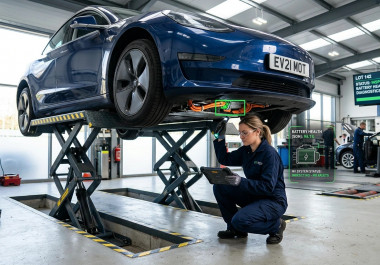
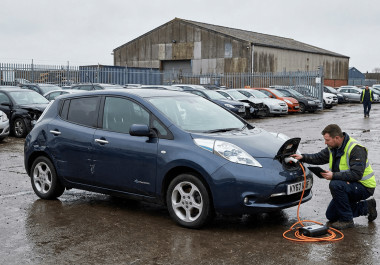
The same applies to electric and hybrid vehicles. If you have bought a salvage EV, you absolutely must use a garage with IMI Level 3 high-voltage vehicle qualification. Working on high-voltage systems without proper training is not just dangerous. It is potentially fatal. No bargain is worth that risk.
What to Ask When You Contact a Specialist
Right, you have found a few potential garages. Now you need to separate the wheat from the chaff. Do not just ask for a quote and accept the cheapest. Ask questions that reveal their actual expertise.
Essential questions:
"Have you repaired this specific make and model before?" (You want a yes)
"Are you insurance-approved for structural repairs?" (Ideally yes for Cat S work)
"What equipment do you have for chassis alignment?" (You want to hear about jigs and measuring systems)
"Can you provide an engineer's report for insurance purposes?" (Critical for Cat S)
"What is your process for sourcing parts?" (Shows they understand salvage economics)
"Can I see examples of previous salvage repairs?" (Any decent specialist will have photos)
Listen to how they answer. A proper specialist will be confident and detailed. They will explain their process, show you their equipment, and probably ask you questions about the vehicle's damage. If someone is vague or dismissive, walk away.
A garage once claimed to specialise in salvage repairs. When asked about their jig, there was a long pause, then: "We have got a really good eye for alignment." That is not a jig. That is a guess. Needless to say, the buyer went elsewhere to find proper specialist salvage mechanics.
Red Flags to Watch For
Not everyone claiming to be a salvage specialist actually is one. The salvage market attracts cowboys who see vulnerable buyers and smell easy money. You need to spot them before they spot you.
Major warning signs:
No fixed premises. Legitimate specialists have proper workshops, not "I will come to you"
Cash-only payments. Suggests they are not VAT registered or avoiding records
No insurance or liability cover. Ask to see their policy documents
Unwilling to provide written quotes. Everything should be documented
Pressure to decide immediately. Proper specialists do not need to hustle
Reluctance to show previous work. They should be proud of their repairs
Another big red flag is a garage that promises to get your Cat S car back on the road without an engineer's report or proper documentation. That is not just dodgy. It is potentially illegal and will cause you enormous problems when you try to insure or sell the vehicle.
Trust your instincts. If something feels off, it probably is. There are enough legitimate specialists out there that you do not need to take risks with questionable operators.
Get Everything in Writing
Before any work starts, you need a detailed written quote that breaks down exactly what is being done and what it will cost. This is not just good practice. It is essential protection if things go wrong.
Your quote should include:
Itemised labour costs (not just "repairs: £3,000")
Specific parts required with part numbers where possible
Timeline for completion with realistic dates
Payment terms, when and how much
Warranty information, what is covered and for how long
If the garage is providing an engineer's report, that should be specified separately with its own cost. These reports typically run £150-£300, and they are non-negotiable for Cat S vehicles requiring proper Cat S repair expertise.
Do not accept verbal agreements. Too many disputes arise where buyers claim they were quoted one price and ended up paying another. Written quotes protect both parties and ensure everyone is clear on expectations.
Consider Location and Logistics
Finding the perfect specialist is pointless if they are 200 miles away and you cannot get the vehicle to them. Logistics matter, especially with salvage vehicles that might not be drivable.
If your vehicle cannot be driven, you will need recovery. Some specialists offer collection services, but expect to pay £1.50-£2.50 per mile. For a 50-mile journey, that is £75-£125 before any work has even started. Factor that into your total costs.
Alternatively, look for specialists closer to where the vehicle is currently located. If you have bought from damaged vehicle auctions and the vehicle is stored at a collection yard, find a specialist near that location rather than transporting it to your local area then finding someone.
Some buyers prefer to have the vehicle repaired near the auction site, then drive it home once it is roadworthy. That can make sense economically, but it means you are managing the repair remotely, which adds complexity.
Build Relationships for Future Purchases
Here is something most auction buyers learn eventually: once you find good specialist salvage mechanics, stick with them. Building a relationship with reliable repairers transforms your auction buying from stressful to straightforward.
A specialist who knows you will bring them regular work will often:
Provide better quotes (they know you are not shopping around every time)
Prioritise your jobs (regular customers get faster turnarounds)
Offer advice before you bid (send them auction photos and they will estimate repair costs)
Source parts proactively (they will keep an eye out for components you might need)
Working with the same salvage specialists for years proves invaluable. They know what you buy, they understand your budget constraints, and they have saved buyers from bidding on vehicles that looked good but would have been money pits. That relationship is worth its weight in gold.
If you are serious about buying salvage vehicles regularly, whether for resale, project cars, or fleet purposes, invest time in building these relationships. Ring them before auctions, ask their advice, and bring them consistent work. It pays dividends.
Conclusion
Finding the right mechanic for salvage repairs is not complicated, but it does require diligence. You cannot just use your regular garage and hope for the best. Salvage work demands specific skills, equipment, and knowledge that most general mechanics simply do not have.
Start with insurance-approved repairers and specialist salvage centres. Check trade associations and online directories. Ask at the auction or platform where you bought the vehicle. They will know who the regular buyers use. For premium or specialist vehicles, find manufacturer-trained garages with the right certifications and proper Cat S repair expertise.
When you contact specialists, ask detailed questions about their equipment, experience, and processes. Watch for red flags like cash-only operations or reluctance to provide written quotes. Get everything documented before work starts, and factor in logistics costs if the vehicle needs transporting.
Most importantly, once you find good specialist salvage mechanics, build a relationship with them. Regular work means better service, better prices, and invaluable advice that will help you make smarter auction purchases.
The difference between a successful salvage repair and a disaster often comes down to choosing the right specialist. Take your time, do your research, and do not cut corners trying to save a few quid. Your safety, your investment, and your peace of mind depend on getting this decision right.
Browse salvage cars for sale and salvage motorcycle auctions to find your next project. Register for salvage auctions today.