Right then, let's dive into the fascinating world of vehicle auctions and shine a spotlight on a key player: The Investor. Buying solely with the aim of reselling requires a sharp eye, a strategic mind, and a good grasp of the market. It's a path many take, hoping to turn a profit, and it's certainly achievable if you know the ropes.
This article, part of our guide to 'Who's at the Auction? A Guide to Common Buyer Types', is dedicated entirely to auction car investing and this specific kind of participant – the one who arrives with a keen interest not in finding their next personal ride, but in identifying opportunities, snagging a bargain, and executing clever auction resale tactics to generate income. We're talking about businesses, both big and small, and savvy individuals who view vehicle auctions not just as a place to buy cars, but as a marketplace for potential profit.
So, grab a cuppa, settle in, and let's explore what it takes to be a successful investor in the auction world, covering everything from spotting a promising lot to mastering your exit strategy. This isn't just about flipping cars; it's about understanding a dynamic market and leveraging the unique environment of a vehicle auction to your advantage. Whether you're running a used car dealership, a body shop looking for repairable stock, or a start-up venturing into vehicle trading, the auction floor holds significant potential.
Understanding the Investor Mindset at Auction
Walking onto the auction floor, or more commonly these days, browse the virtual lots online at a place like RAW2K, you'll see a diverse crowd. There are the private buyers looking for a family car, the enthusiasts chasing a classic, and then there are the investors. These aren't people driven by personal need or passion for a specific model (though market knowledge certainly helps!). Their primary motivation is return on investment. They are calculating, assessing potential profit margins, and looking for vehicles that can be acquired below market value and sold on for a gain.
Analytical Approach
The investor mindset is analytical. They are less swayed by emotion and more by data: market price trends, potential repair costs, selling speed, and predicted profit. They see a damaged car not as a write-off, but as an opportunity for a repair-and-sell project. They see an unpopular model not as unsaleable, but potentially undervalued at auction, presenting a chance for a quick flip at a small profit. This requires research, patience, and a willingness to take calculated risks.
Real-World Example: Sarah
Think of Sarah, who used to work in finance but had a passion for cars. She started small, buying one or two vehicles a month from auctions, doing minor cosmetic work herself, and selling them online. Over time, this grew into a thriving small business. Her success wasn't accidental; it was built on understanding market value, accurately assessing repair costs (or knowing when to avoid a money pit), and having a solid plan for reselling. She is a prime example of a successful auction investor.
Why Vehicle Auctions are Ripe for Investing
So, why do investors flock to vehicle auctions, particularly platforms like RAW2K? It boils down to opportunity and value.
Below Market Value Potential
Vehicles often arrive at auction through various channels – end-of-life vehicles, insurance write-offs (Category S or N), repossessions, fleet disposals, or part-exchanges from dealerships. These aren't typically prepared to showroom standards, meaning they often sell for less than their retail market value. This gap between the auction price and the potential resale price creates vehicle auction profit opportunities for savvy investors.
Volume and Variety
Auctions handle a high volume of vehicles constantly. This provides investors with a continuous supply of potential stock across various makes, models, ages, and conditions. Whether you specialise in nearly new cars, repairable write-offs, or even commercial vans, you're likely to find suitable inventory. RAW2K, for instance, features a wide range of salvage vehicle auctions, including specific sections like van auctions and motorcycle auctions, offering diverse opportunities.
Transparency (with Due Diligence)
Reputable auctions provide details about the vehicle's condition, history checks, and categorisation (especially important for write-offs). Whilst it's crucial for the buyer to conduct their own checks and view the vehicle if possible, the auction format provides a degree of transparency that facilitates informed purchasing decisions for investors.
Quick Turnover Potential
For many vehicles, the goal is a relatively quick resale. Auctions can provide the necessary stock to maintain a steady flow of inventory for a business focused on rapid turnover.
Key Requirements for Success
However, it's not a guaranteed path to riches. Success in auction investing requires diligence. You need to:
Do Your Homework: Research market values, common faults, buyer needs.
Set a Budget: Know your maximum bid based on predicted costs and target price, and stick to it.
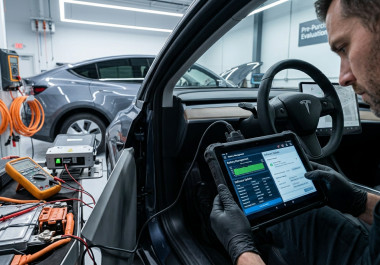
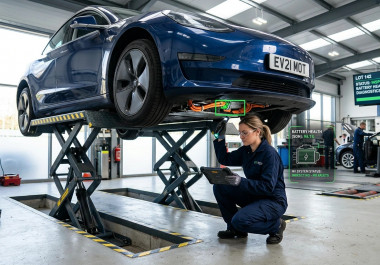
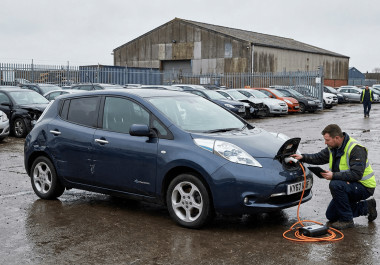
Assess Condition Accurately: Learn to quickly and effectively evaluate a vehicle's condition, paying close attention to damage categories.
Factor in All Costs: Account for buyer's fees, VAT, transport, repair, cleaning, listing fees, etc.
The Art of the Bid: Securing Your Investment
Once you've identified a promising vehicle, the next step is acquiring it. This is where strategy meets the auction environment.
Setting Your Maximum Bid
Based on your research and cost calculations, you must have a maximum bid in mind. This is non-negotiable. Going over your limit eats directly into your potential profit margin. It's easy to get caught up in the bidding excitement, but the successful investor remains disciplined.
Reading the Auction Environment
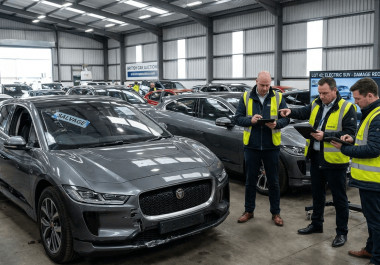
At a physical auction, understanding the bidding patterns of others can be an advantage. Is there strong interest, driving the price up quickly? Or is bidding slow, suggesting less competition? Online auctions have different dynamics, but watching how quickly bids rise can still give you a feel for the level of interest.
The Virtue of Patience
Not every auction will have a suitable vehicle at the right price. The investor knows when to walk away. There will always be another auction, another opportunity. Don't feel pressured to buy just because you're there.
Navigating Auction Formats
Different auctions have different rules. Some are live, some are timed online auctions. Understand the bidding increments, proxy bidding options, and the process for completing the purchase if you win. RAW2K, for instance, operates online auctions, which means you can bid from the comfort of your office or home, a significant advantage for busy investors.
Real-World Example: David
Consider David, a seasoned investor focusing on vans for small businesses. He spends his mornings browsing upcoming van auctions on RAW2K, comparing models, mileage, and condition against current market demand for commercial vehicles. He knows exactly what he's willing to pay for a Ford Transit or a Mercedes Sprinter in a specific condition, factoring in the cost of any necessary mechanical work or cosmetic touches. He doesn't bid on everything; he waits for the right opportunity to appear, places his strategic bid, and moves on. His patience and focused approach are fundamental to his consistent success in auction car investing.
From Auction Floor to Sales Pitch: Mastering Resale
Acquiring the vehicle is only the first half of the equation. The profit is realised when you successfully resell it. This is where your auction resale tactics come into play.
Thorough Preparation is Key
Unless you bought a ready-to-go vehicle (less common for investors seeking maximum profit), you'll likely need to prepare it for sale. This can range from a professional valet and detailing to mechanical repairs, bodywork, or even painting. The level of preparation depends on your target market and the vehicle's condition. A clean, well-presented vehicle, even with minor imperfections, is far easier to sell than one straight from the auction yard.
Crafting an Honest and Detailed Listing
When listing the vehicle for sale, provide a detailed and honest description. Include all relevant information: make, model, year, mileage, condition, any repairs undertaken, and crucially, if it was an insurance write-off (and what category). Use high-quality photos showing the vehicle from multiple angles, including any imperfections. Transparency builds trust with potential buyers.
Developing Your Pricing Strategy
Pricing is critical. Research what similar vehicles are selling for in your area and online. Factor in your total costs (purchase + preparation + fees). Price competitively to attract interest whilst ensuring a healthy profit margin. Be prepared to negotiate, but know your minimum acceptable price.
Developing a comprehensive resale investment strategy that covers preparation, pricing, and marketing ensures consistent profitability across multiple vehicles.
Choosing the Right Sales Channel
Where will you sell the vehicle? Options include:
-
Online Marketplaces: AutoTrader, eBay, Facebook, etc.
-
Your Own Website/Dealership: Selling directly requires infrastructure.
-
Trade Buyers: Quicker, easier, lower profit.
-
Export: Viable for certain vehicles.
Effective Marketing and Presentation
How you market the vehicle matters. Highlight its key features, fuel efficiency, service history (if available), and any recent work done. Be responsive to enquiries and professional in your interactions.
Real-World Example: Sarah's Approach
Let's revisit Sarah. After winning a bid on a slightly tired but mechanically sound hatchback, her resale tactics kick in. She takes it to her trusted local garage for a service and any minor necessary repairs. Then, she spends time meticulously cleaning and detailing the interior and exterior – a small investment that significantly boosts the car's appeal. She takes clear, well-lit photos and writes an engaging, honest description highlighting its reliability and recent maintenance. She lists it on a popular online marketplace, pricing it slightly below similar models to generate quick interest but leaving room for negotiation. Her proactive approach to preparation and marketing is the final step that turns an auction purchase into a profitable sale.
Specialising for Success: Niche Investing
Some investors find success by specialising in a particular niche within the vehicle auction market. This allows them to develop deeper market knowledge and build relationships.
Repairable Vehicles (Cat S/N)
This is a popular niche, but requires expertise in assessing damage and managing repairs. The potential profit margin can be higher, but so is the risk if repair costs are underestimated. Businesses with their own repair facilities are often well-suited to this.
High-Mileage and Older Vehicles
These can be bought cheaply and sold as basic, reliable transport. The key is ensuring they are mechanically sound enough for resale without significant investment.
Focusing on Specific Makes or Models
Becoming an expert in a particular brand or type of vehicle (e.g., prestige cars, 4x4s, classic cars) allows for more accurate valuation and targeting of specific buyers.
Commercial Vehicles
Focusing on vans, trucks, or minibuses caters to a business market with different needs than private buyers. RAW2K's salvage van auctions page could be a goldmine for investors in this area.
Motorcycles
A separate market entirely, requiring specific knowledge of bikes. RAW2K also offers salvage motorcycle auctions for those interested in this niche.
Specialisation helps refine your investment approach for that specific market, making your process more efficient and potentially more profitable. It allows you to understand the common issues with certain models, where to source parts affordably, and who your most likely buyers are.
Risks and How to Mitigate Them
Whilst auction investing offers significant potential, it's not without risks.
Common Risks in Auction Investing
These include:
-
Underestimating Repair Costs: The biggest pitfall
-
Market Fluctuations: The used car market can be volatile
-
Difficulty Reselling: Vehicles sitting too long erode profit
-
Buying a "Lemon": Hidden, costly problems
-
Auction Fees: They add to your cost
Strategies for Mitigating Risk
To mitigate these risks:
-
Develop a Strong Network: Mechanics, body shops, suppliers
-
Diversify (Carefully): Don't put all your eggs in one basket
-
Know When to Cut Your Losses: Sometimes selling for less is better than sinking more money
-
Start Small: Gain experience with lower-value vehicles first
The UK Landscape: Regional Opportunities
The UK market for used vehicles is vast and varied. Understanding regional demand and supply can also be a shrewd auction resale tactic. What sells quickly in the bustling South East might differ from demand in the North East or Scotland.
Understanding Regional Market Differences
For example, knowing that city centres might have higher demand for smaller, fuel-efficient cars or electric vehicles could influence your buying strategy if you plan to sell in those areas. Conversely, rural areas might see stronger demand for 4x4s or vans.
Leveraging Regional Listings
RAW2K's ability to list vehicle auctions by region – such as the South East, North East, North West, Wales, West Midlands, Northern Ireland, and Scotland – provides a distinct advantage for investors looking to source vehicles strategically based on their intended resale market. Exploring these regional pages can offer insights into the types of vehicles frequently available in different parts of the country.
Beyond Cars: Vans, Motorbikes, and More
Whilst cars are often the first thing that comes to mind, auction investing is just one facet. As mentioned, vans and motorcycles also offer significant investment opportunities.
Investing in Vans
The demand for commercial vehicles is consistent, driven by businesses needing transport. Van auctions can be excellent sources for investors targeting this B2B market. Condition, payload, service history, and specific features (like racking or tow bars) are key considerations for resale value. Check out the commercial van auctions page on RAW2K if this area interests you.
Investing in Motorcycles
A different market dynamic applies to motorbikes. Enthusiast demand, seasonality, and licensing categories all play a role. Repairing and reselling damaged motorbikes can be profitable for those with the right skills and market knowledge. RAW2K's motorcycle auctions cater specifically to this market.
Diversifying the types of vehicles you invest in can spread risk and open up new profit avenues, but it requires expanding your knowledge base.
Building Relationships and Your Reputation
For the serious investor, building relationships is vital.
Relationship with the Auction House
Becoming a regular, reliable buyer can sometimes lead to insights about upcoming stock (though auctions must remain fair and transparent). Understanding their processes makes transactions smoother.
Working with Suppliers
Reliable mechanics, body shops, detailers, and parts suppliers are crucial for preparing your vehicles cost-effectively and efficiently.
Building Trust with Buyers
Whether you're selling B2B or B2C, building a reputation for honesty and quality (even if selling repairable vehicles, being upfront about their condition) is key to repeat business and easier sales.
Think about it: if a small business needs a reliable van and you consistently source and prepare good quality vehicles from auction, they're likely to come back to you or recommend you. This builds a sustainable business model around your investment operations.
The Nitty-Gritty: Fees, Logistics, and Paperwork
Successful investing also means having a handle on the practicalities.
Understanding Auction Fees and VAT
As mentioned, always factor in the buyer's premium and any other administrative fees charged by the auction house. These vary, so check the terms and conditions before bidding. Understand the VAT implications of buying and selling vehicles, especially if you are VAT registered. Different rules apply to standard sales versus selling insurance write-offs.
Managing Transport Logistics
How will you get the vehicle from the auction site to your premises or repair shop? Factor in transport costs or the time and cost of collecting it yourself.
Handling Essential Paperwork
Ensure you receive the correct documentation from the auction house (invoice, any available V5C registration document, salvage categorisation papers if applicable). When reselling, ensure you complete all necessary paperwork correctly for the new owner. Getting this wrong can cause significant headaches.
These might seem like minor points, but overlooking them can quickly erode your profit margin or create legal issues. Professionalism in handling the logistics and paperwork is a hallmark of successful auction investing.
Beyond Flipping: Long-Term Investment Strategies
Whilst quick resale is common, some investors employ longer-term strategies through auctions:
Restoration Projects
Buying classic or desirable vehicles at auction that require significant restoration. This is a high-skill, high-risk strategy, but can yield significant returns if the finished vehicle is valuable.
Parts Harvesting
Acquiring vehicles solely for dismantling and selling the parts. This requires knowledge of part values and efficient dismantling processes. End-of-life vehicle auctions are often the source for this.
Building a Rental Fleet
For businesses in the rental sector, auctions can be a source of vehicles for their fleet, potentially at a lower acquisition cost than buying new or through traditional dealership channels.
These strategies require different knowledge sets and capital investment than simple buy-and-resell, but they demonstrate the diverse ways auctions can be used for investment purposes beyond just simple resale tactics.
Getting Started with Auction Car Investing
If you're considering venturing into auction car investing, here are some steps to take:
Key Steps to Begin
Educate Yourself: Learn about the used car market, common faults, repair costs, and auction processes.
Start Small: Gain experience with lower-value vehicles first.
Build a Network: Connect with mechanics, detailers, and potential buyers.
Create a Business Plan: Outline your budget, target market, desired volume, and profit goals.
Utilise Resources: Explore platforms, understand the auction types, check out regional listings, and get familiar with the bidding platform.
The journey of an auction investor is one of continuous learning and adaptation. The market changes, vehicle technology evolves, and auction processes can be refined. Staying informed and being willing to adjust your strategy is key to long-term success.
Conclusion: The Investor's Opportunity
The investor at a vehicle auction isn't just buying cars; they are buying potential. Vehicle auction profit potential, business growth opportunities, and potential return on their time and capital. It's a dynamic environment that rewards research, discipline, and smart execution of resale strategies.
From identifying undervalued stock to efficiently preparing and marketing the vehicle, every step in the process is crucial for turning a purchase into a profitable sale. Whether you're looking at standard cars, venturing into van auctions, or exploring the motorcycle auctions, the principles remain the same: know the market, know your costs, and execute your resale strategy effectively.
Platforms like RAW2K provide the marketplace for investors across the UK, offering a wide range of vehicles and the convenience of online bidding. By understanding the investor mindset, mitigating the risks, and mastering the art of the flip (or the long-term hold), you can successfully navigate the world of vehicle auctions and potentially build a thriving business.
Explore damaged cars for sale to identify potential investment opportunities. Ready to explore the potential? Head over to the RAW2K platform to see the current listings and start identifying those investment opportunities. Remember, every vehicle passing through auction is a potential stepping stone to your next profitable resale.
If you're ready to begin your investment journey, register for salvage auctions to start identifying opportunities. If you have any questions along the way, get in touch – the team is always there to help. Good luck, and happy bidding!