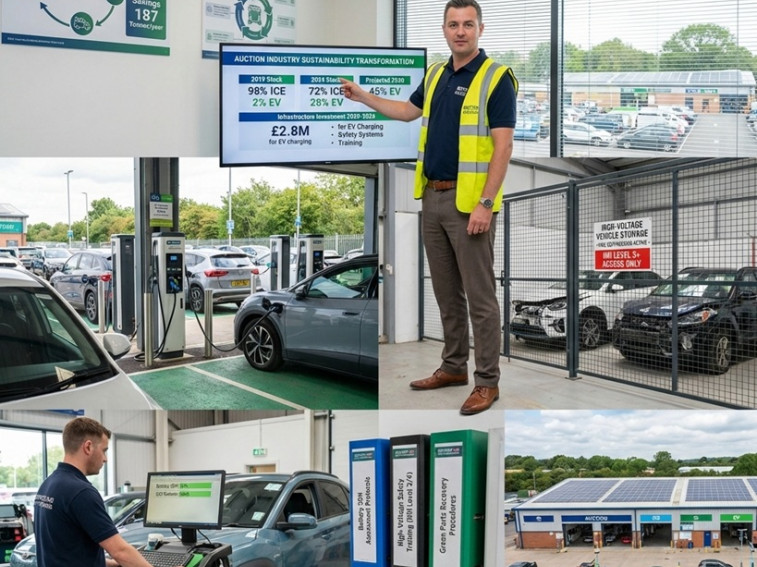
The market for used, salvage, and seized vehicles in the UK is undergoing a profound and necessary transformation, driven by ambitious governmental mandates, primarily the Zero Emission Vehicle mandate, and consumers' increasing appetite for eco-friendly alternatives. This pivotal shift away from reliance on traditional internal combustion engine models to low-emission technology fundamentally alters market dynamics, creating both unprecedented challenges in vehicle valuation and significant opportunities for resource recovery via auction platforms. Understanding these macro developments is essential for navigating the changing market and capitalising on emerging opportunities. The modern auction house is no longer just a sales platform; it is a critical pivot point in the automotive circular economy demonstrating how the UK auction industry goes green.
The Rapid Rise of Electric and Hybrid Stocks
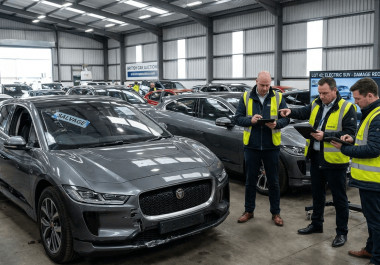
The accelerating rate of new Electric Vehicle and Hybrid registrations means a growing volume of these complex vehicles is now flowing into the secondary market, including trade and salvage auctions. As corporate fleets undergo planned refreshes and inevitable insurance write-offs occur, these technologically advanced vehicles become prime acquisition targets for repairers, dismantlers, and savvy dealers. This influx requires market participants to quickly pivot their knowledge base, looking past conventional engine wear indicators to focus intensely on high-voltage systems and specialised component valuation, reflecting eco shifts in vehicle auctions.
For dealers accustomed to traditional combustion engines, this transition presents both a learning curve and a commercial opportunity. The complexity of EV powertrains means fewer general mechanics can undertake repairs, creating a niche market for those willing to invest in training and equipment. Similarly, the high value of undamaged EV components makes strategic parts harvesting particularly lucrative compared to conventional vehicles.
Valuation and Specialist Expertise: The Battery is King
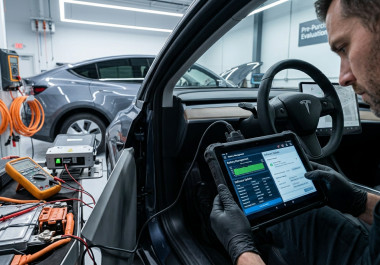
For any low-emission vehicle, the condition of the battery pack, specifically its State of Health (SOH), is the single most important factor determining its long-term viability and salvage value. Unlike a typical combustion engine, where mileage is a clear indicator of wear, battery performance depends heavily on its charging history, past thermal management, and ambient conditions. SOH measurements are complex, requiring specialist diagnostic tools.
Dealers and buyers need access to verified, specialised knowledge to make informed decisions. A buyer assessing a flood-damaged vehicle must know how that incident may have permanently degraded the battery pack's integrity, even if the vehicle powers on through buy EV and hybrid salvage stock. This expertise is crucial for understanding how the UK auction industry goes green effectively.
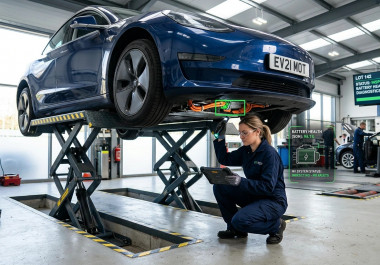
The challenge extends beyond simple diagnostics. Battery replacement costs can exceed the entire value of some salvage vehicles, making accurate SOH assessment the difference between a profitable repair and a financial loss. Professional buyers are increasingly requesting detailed battery health reports as standard documentation, transforming how auction houses present EV stock. Advanced diagnostic equipment can measure individual cell voltages, internal resistance, and charging capacity degradation, providing a comprehensive picture of the battery's true condition.
Furthermore, the resale value of a repaired EV is directly tied to its battery warranty status. Many manufacturers void warranties if the vehicle has been classified as a write-off, regardless of repair quality. This creates an additional layer of complexity for dealers who must factor in reduced marketability when calculating potential profit margins. Some forward-thinking auction platforms are now partnering with certified battery testing facilities to provide third-party verification reports, giving buyers confidence in their purchasing decisions and helping to establish standardised valuation metrics across the industry.
High-Voltage Safety and Specialist Logistics
The presence of high-voltage battery packs introduces unique safety and logistical challenges that didn't exist with traditional vehicles. Salvage vehicles, particularly those damaged by impact or fire, require specialised handling, storage, and transport protocols to mitigate the risk of thermal runaway and ensure personnel safety. Unlike a petrol tank that can be drained, a damaged battery pack remains energised and potentially unstable for extended periods.
Mechanics must be trained to IMI Level 3 or 4 standards to safely disconnect, diagnose, and repair these systems. This training requirement creates a bottleneck in the repair sector, with qualified technicians commanding premium rates for their specialised knowledge. Auction houses have had to invest significantly in staff training and safety equipment to handle the growing volume of EV salvage stock. Dedicated quarantine areas with fire suppression systems are now standard at major auction sites, whilst transport companies require special certification to move vehicles with potentially compromised high-voltage systems. The insurance implications alone have driven substantial changes in how the industry operates, with specific protocols now mandated for storing EVs that have been involved in accidents.
Operational Excellence and the Circular Economy Mandate
The true measure of sustainability lies not just in cars successfully resold, but in the operational infrastructure supporting maximum resource recovery for End-of-Life Vehicles. Auction platforms like RAW2K are pivotal in helping the UK auction industry goes green by treating end-of-life and written-off cars as valuable resource streams destined for the circular economy, strongly supported by the European Union's End-of-Life Vehicle Directive.
Maximising Resource Recovery: The Green Parts Revolution
The modern auction model is central to the 'Green Parts' concept, transforming the repair and recycling industries. Undamaged, functioning components are professionally recovered, tested, and certified for reuse. This practice delivers substantial environmental benefits by significantly reducing the energy and water required to manufacture new components, offering a cost-effective solution for repairers seeking reliable spares through bid on sustainable vehicle inventory.
Environmental Efficiency in Logistics and Reach
The pursuit of sustainability is focused on making the auction process more efficient and less impactful. The strategic shift towards entirely digital auction platforms has proven instrumental in reducing the physical logistics footprint as part of eco shifts in vehicle auctions. Online bidding eliminates the need for thousands of buyers to travel long distances to physical auction sites weekly, drastically slashing fuel consumption and emissions.
Infrastructure Investment: Charging the Future
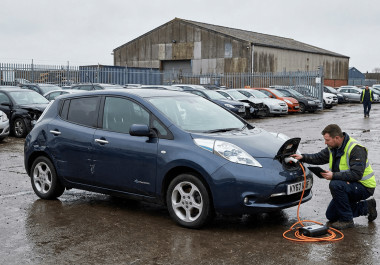
Auction houses are investing significantly in physical infrastructure to support the EV transition, recognising that adequate facilities are essential for maintaining their competitive position in the market. This includes installing dedicated EV charging points throughout their sites, allowing buyers to verify that vehicles can accept a charge before finalising purchases. These charging stations also enable auction houses to maintain battery health on stock that may sit for several weeks before sale, preventing the deep discharge that can permanently damage lithium-ion cells.
Equally important is the establishment of specialised quarantine bays for vehicles involved in accidents. These segregated areas feature enhanced fire detection and suppression systems, along with appropriate spacing to prevent cascade failures if thermal runaway occurs. By having the necessary infrastructure in place through regional locations, auction sites ensure they can safely store, process, and present damaged EVs, further streamlining the disposal and recovery process for insurers and fleet operators. The investment extends to staff training programmes, diagnostic equipment procurement, and updated insurance policies that reflect the specific risks associated with high-voltage vehicle handling. For questions about the auction platform, contact support.
Future Stock Diversity and Strategic Buying
The changing landscape creates a strategic imperative for all market players. For professional dealers and dismantlers, investing in staff training on EV diagnosis and battery systems is essential to profit from the growing salvage market in both car EV auctions and electric motorcycle salvage. Those who fail to upskill risk being excluded from the most valuable incoming stock.
To begin browsing current sustainable listings and accessing detailed condition reports, sign up for an account today and join the movement towards sustainable vehicle commerce.