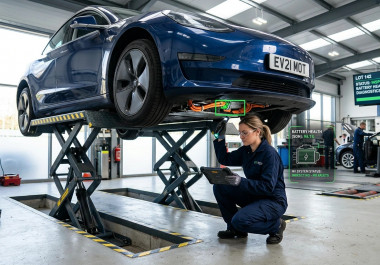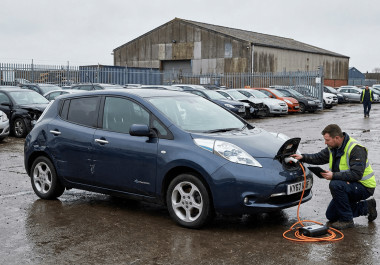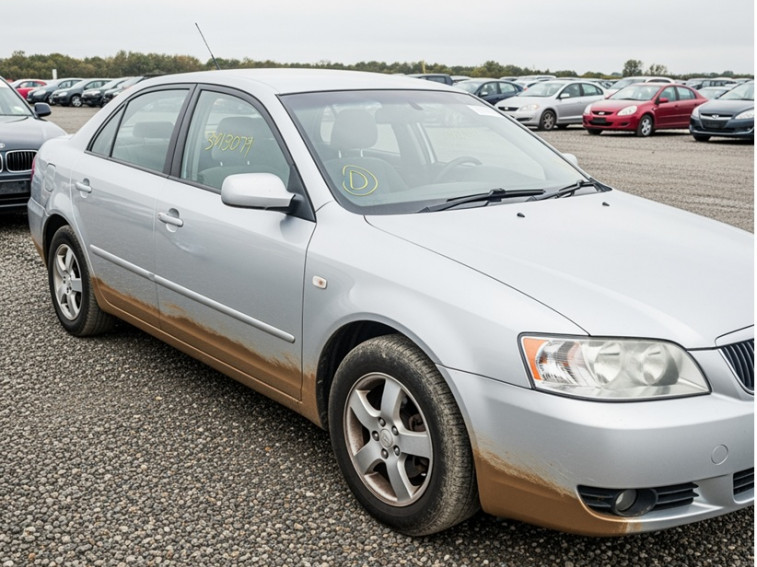
Storm damaged cars flood UK auctions after every major weather event, often selling for 30-50% below market value. That discount tempts buyers, but the real cost reveals itself months later when electrical gremlins appear or hidden corrosion spreads through the chassis.
RAW2K processes hundreds of weather damaged vehicles annually at our salvage yards, and the difference between a viable repair project and a money pit comes down to understanding what water actually does to modern vehicles when evaluating opportunities at car auctions.
What Storm Damage Actually Means
Storm damage covers everything from minor water ingress to complete submersion. A vehicle that sat in 10cm of standing water faces different issues than one that flooded to dashboard level.
Exterior water exposure affects paintwork, seals, and underbody components. These vehicles often show water lines on bodywork and mud deposits in wheel arches. Repairs typically cost £500-£1,500 depending on rust treatment needed.
Partial flooding (water to door sills or seat level) compromises carpets, wiring harnesses, and lower dashboard components. Repair costs start at £2,000 and climb quickly if electronic modules got wet.
Deep submersion (water above dashboard) writes off most modern vehicles. Every electronic system needs inspection, all fluids require changing, and corrosion starts immediately in places you can't easily access.
The auction listing should specify water depth, but don't rely on it. We've seen weather damaged vehicles listed as "minor water damage" that clearly spent time underwater based on silt deposits in the engine bay.
The Hidden Damage Timeline
Storm damage doesn't stop when the water recedes. It triggers a deterioration process that continues for months.
Week one: Visible water damage appears - sodden carpets, fogged lights, musty smell. This is what sellers photograph for auction listings.
Month one: Corrosion starts on electrical connections, especially in hard-to-reach areas. Modules that seemed fine begin throwing error codes.
Month three: Rust blooms under paint on body panels. Wiring harnesses develop intermittent faults that mechanics struggle to diagnose.
Month six: Structural corrosion becomes apparent. Suspension mounting points weaken. Brake lines pit.
We've bought storm damaged cars that ran perfectly during inspection, only to develop multiple electrical faults within weeks. The previous owner either didn't know or didn't care that water had penetrated critical systems.
Which Vehicles Survive Storm Damage
Not all weather damaged vehicles are bad investments. Success depends on three factors: water depth, exposure time, and vehicle age when exploring featured auctions for storm-damaged opportunities.
Older vehicles with minimal electronics tolerate water better than modern cars. A 1990s Land Rover Defender with mechanical injection and simple wiring can survive flooding that would total a 2020 Range Rover.
Diesel engines handle water ingress better than petrol engines, provided water didn't enter the intake system. We've successfully rebuilt diesel engines that hydrolocked, but petrol engines with water in the cylinders typically need complete replacement.
Commercial vehicles built for durability often use sealed electrical components and corrosion-resistant materials. A flooded Transit van has better recovery prospects than a flooded luxury saloon. Check van auctions for commercial vehicle opportunities with storm exposure.
The worst candidates are modern vehicles with extensive electronics, especially those with water above floor level. Premium German cars with multiple control modules become diagnostic nightmares after flooding.
Inspection Points That Actually Matter
Auction photos hide more than they reveal. If you can inspect before bidding, these checks separate viable projects from disasters when assessing storm damaged cars.
Oil and Fluid Contamination
Check the oil dipstick and filler cap. Water in the engine appears as milky residue or droplets on the dipstick. Even small amounts indicate serious problems.
Electrical System Testing
Test every electrical function. Don't just turn things on - operate windows fully up and down, test all seat adjustments, check every dashboard function. Intermittent operation signals water damage to modules or wiring.
Physical Evidence Detection
Look for mud and silt deposits. Check inside door shuts, under the bonnet, in the boot, and under seats. Dried mud reveals actual water levels more accurately than auction descriptions.
Interior Odour Assessment
Smell the interior. Mould and mildew indicate prolonged water exposure. You can replace carpets, but water that sat long enough to grow mould has penetrated sound deadening and wiring harnesses.
Underside Corrosion Inspection
Examine the underside. Fresh rust on suspension components, exhaust systems, or chassis rails shows recent water exposure. Weather damaged vehicles develop orange rust patterns within days.
For vehicle recovery purposes, we use moisture metres to check door cards, seats, and carpet underlay. Moisture content above 15% indicates water that hasn't fully dried, which means ongoing corrosion.
Real Repair Costs
Auction prices look attractive until you calculate actual repair costs. Here's what we typically spend on weather damaged vehicles:
Minor exterior damage: £300-£800 for professional detailing, rust treatment, and seal replacement.
Flooded carpets and seats: £1,200-£2,500 including carpet replacement, seat drying or replacement, and sound deadening treatment.
Electrical issues: £2,000-£8,000 depending on which modules failed. A single ECU replacement costs £800-£1,500 plus programming. Wiring harness replacement runs £2,000-£4,000 in labour alone.
Engine damage: £3,000-£8,000 for rebuilt engines, £5,000-£15,000 for replacement engines in modern vehicles.
These figures assume you have mechanical skills and trade access to parts. Retail customers pay 30-50% more at independent garages, and main dealers charge double our costs.
We've seen buyers purchase storm damaged cars for £8,000, spend £6,000 on repairs, then discover the vehicle still throws intermittent faults that cost another £3,000 to resolve. The "bargain" ends up costing more than buying a clean example through vehicle auctions.
The Insurance and Resale Problem
Storm damage creates permanent complications beyond repair costs for weather damaged vehicles.
Insurance Complications
Insurance becomes difficult. Many insurers refuse to cover vehicles with flood history, and those that do charge premium increases of 20-40%. You must disclose storm damage when applying for cover.
Resale Value Impact
Resale value plummets. Even fully repaired vehicles sell for 20-30% below clean examples. Private buyers avoid them, and dealers won't touch them except as cheap stock.
History Report Flags
HPI checks flag the history. Storm damage appears on vehicle history reports permanently. Future buyers will know, which limits your market to people willing to take the same risk you did.
We've rebuilt storm damaged cars to excellent mechanical condition, only to struggle selling them because buyers see the history report and walk away.
When Storm Damage Makes Sense
Despite the risks, some weather damaged vehicles make financial sense.
Track cars and competition vehicles don't need perfect interiors or complete electrical systems. A flood-damaged hot hatch with a good engine becomes a viable track project at 40% of normal cost.
Donor vehicles for engine swaps or restoration projects work if the components you need stayed dry. We've bought flooded vehicles specifically for engines, gearboxes, or suspension components.
Learning projects for mechanics or restoration enthusiasts provide hands-on experience at low initial cost. The financial loss matters less when education is the primary goal.
Commercial use where cosmetics don't matter suits some storm-damaged vehicles. A flooded van that runs reliably works for business use even with interior damage. Browse truck auctions if you're considering larger commercial vehicles with weather exposure.
The key is buying with realistic expectations and specific plans. Don't purchase hoping everything will be fine - buy knowing exactly what needs fixing and how much it will cost.
Category Ratings and Legal Requirements
UK salvage auctions assign category ratings that affect what you can legally do with storm damaged cars.
Category N (non-structural damage) allows repair and re-registration. Most storm-damaged vehicles fall here if water didn't compromise structural integrity.
Category S (structural damage) applies if flooding caused frame corrosion or weakened structural components. These vehicles need professional inspection before re-registration.
Category B (break for parts only) means the vehicle cannot return to the road legally. Some severely flooded vehicles receive this rating.
Check the category before bidding. Category N vehicles offer the most flexibility, but even these require DVLA notification when you repair and return them to the road.
What We Actually Buy
After years processing weather damaged vehicles, we only bid on specific types:
Older commercial vehicles with water below seat level. These have simple wiring, robust construction, and strong parts demand even if we can't repair them economically.
Diesel 4x4s with exterior damage only. Land Rovers, Discoverys, and similar vehicles with proven water-wading capability often suffer minimal damage from storm exposure. Check motorhome auctions for recreational vehicles with similar durability characteristics.
Modern vehicles for parts breaking. We'll buy severely flooded cars if we can recover 150% of purchase price through parts sales. The engine might be scrap, but body panels, glass, and unaffected components have value.
We avoid flooded luxury cars, any vehicle with water above dashboard level, and anything with hybrid or electric powertrains. The repair complexity and parts costs make these uneconomical even at very low purchase prices.
The Real Question: Making the Right Decision
Storm damaged cars at auction aren't universally good or bad investments - they're calculated risks that work for specific buyers with particular skills.
If you're a home mechanic willing to spend months troubleshooting electrical issues, have backup transport while you work, and plan to keep the vehicle long-term, some weather damaged vehicles offer genuine value. You might save £3,000-£5,000 versus buying clean, though you'll invest significant time.
If you need reliable transport, lack mechanical skills, or plan to resell within a few years, storm damaged cars cost more than they save. The repair bills, insurance complications, and resale difficulties eliminate any initial savings.
We see both outcomes regularly. Experienced buyers with realistic expectations and proper skills build perfectly serviceable vehicles from storm damage. Optimistic buyers without mechanical knowledge usually regret their purchases within months.
The auction discount is real, but so are the hidden costs. Success requires understanding exactly what you're buying and having the skills to fix it properly. For our salvage vehicle operations, storm damage makes sense only when we can repair economically or recover value through parts sales.
Contact us to discuss storm damage assessment and strategic buying approaches. Private buyers should apply even stricter criteria before bidding. Register to bid and explore storm-damaged inventory through our comprehensive auction platform, understanding the full scope of challenges involved.