The moment a car sustains damage, a financial calculation begins. Insurers don't repair every vehicle that crosses their desk, they run the numbers, compare repair costs to the vehicle's market value, and make a decision that affects thousands of UK drivers daily. Understanding these thresholds isn't just insurance industry jargon. It's the difference between getting your car back and watching it head to salvage.
The rules seem straightforward on paper, but the reality involves more variables than most people expect. At RAW2K, understanding exactly when and why insurers decide a vehicle isn't worth fixing helps buyers and sellers make informed decisions about salvage vehicles.
The Basic Mathematics Behind Write-Offs
Insurance companies use a simple ratio to determine whether a vehicle gets repaired or written off. When repair costs exceed a certain percentage of the vehicle's pre-accident market value, the insurer declares it a total loss. This total loss percentage isn't fixed across the industry, it varies between insurers and depends on several factors.
Most UK insurers apply a threshold between 60% and 70% of the vehicle's market value. If your car is worth £10,000 and repairs would cost £7,000, you're likely looking at a write-off. Some insurers set their threshold lower, around 50%, particularly for older vehicles where parts availability becomes problematic.
The calculation seems cold and mathematical because it is. Insurers aren't making emotional decisions about whether your beloved family car deserves another chance. They're protecting their bottom line whilst fulfilling their contractual obligation to make you whole financially. Understanding repair cost thresholds helps you navigate this process more effectively.
What Actually Goes Into the Calculation
The repair estimate isn't just labour and parts. Insurers factor in multiple cost elements that many vehicle owners never consider:
-
Parts replacement (new or approved aftermarket)
-
Labour hours at approved repairer rates
-
Paint and materials
-
Subcontracted specialist work (electrical diagnostics, alignment)
-
Vehicle recovery and storage fees
-
Engineer inspection fees
-
Courtesy car provision during repairs
-
VAT on all repair work
Consider a case where an £8,000 Ford Focus was written off after what looked like moderate front-end damage. The estimate showed £5,200 in repairs, well under the typical 70% threshold. But storage fees had already hit £400, recovery cost £150, and the engineer's report added another £200. Suddenly the total reached £5,950, or 74% of the vehicle's value, exceeding the insurer's total loss percentage.
The Four Categories of Write-Offs
The UK uses a lettered system to classify written-off vehicles, and understanding these categories matters enormously if you're considering buying salvage vehicles or if your own car has been declared a total loss.
Category A: Complete Destruction
Category A represents the most severe damage. These vehicles must be crushed entirely with no parts salvaged. You'll rarely see these at auction because there's nothing worth selling beyond scrap metal value.
Category B: Shell Destruction Required
Category B vehicles sustained serious structural damage but some parts can be salvaged. The shell must be crushed, but components like engines, gearboxes, or electronics can be removed and sold. These never return to the road.
Category S: Structural Damage
Category S (formerly Category C) indicates structural damage that's repairable but uneconomical for the insurer. The chassis, frame, or structural components were affected. These vehicles can legally return to the road after proper repairs and inspection, which is why you'll find them at vehicle auctions across the country.
Category N: Non-Structural Damage
Category N (formerly Category D) covers non-structural damage deemed uneconomical to repair. Perhaps the airbags deployed, the interior flooded, or electrical systems failed. The structure remains sound, but repair costs still exceeded the insurer's established threshold.
Why Thresholds Vary Between Insurers
Different insurance companies apply different repair cost thresholds, and understanding why reveals how the industry actually operates. It's not arbitrary, it's strategic business calculation.
Salvage Market Relationships
Insurers with strong salvage buyer networks can afford lower thresholds. If they know they'll recover 40% of the vehicle's value through salvage auction, they're more comfortable writing off a car at 60% damage rather than 70%. The salvage recovery rate directly influences what total loss percentage each insurer considers acceptable.
Approved Repairer Networks
Companies with negotiated labour rates at approved repairers can push thresholds higher. When they're paying £45 per hour instead of £75, more vehicles become economically repairable, which affects repair cost thresholds overall.
Vehicle Age and Type
Thresholds shift based on the vehicle itself. A three-year-old premium saloon might get written off at 65% because parts are expensive and depreciation is steep. A ten-year-old commercial van might survive 75% damage because the owner needs it operational and salvage value is minimal.
The Engineer's Report Changes Everything
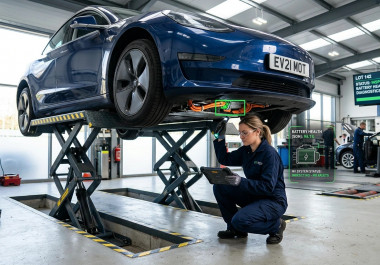
Before any significant repair begins, insurers send an independent engineer to assess the damage. This person holds more power over your vehicle's fate than you might imagine. Their report doesn't just list damaged components, it identifies potential hidden damage that could emerge during repairs and directly informs repair cost assessments.
Engineers look for telltale signs that suggest deeper problems. Paint overspray in the engine bay indicates previous accident damage. Uneven panel gaps suggest prior structural repairs. Rust in unexpected places points to flood damage or long-term neglect. These discoveries often increase repair cost estimates dramatically.
Cases exist where initial repair cost estimates of £3,000 ballooned to £8,000 after the engineer's report flagged chassis misalignment and potential subframe damage. What looked like a straightforward bumper and wing replacement became a structural nightmare that exceeded most insurers' established thresholds.
The engineer's assessment also considers repair quality risk. If there's doubt whether repairs can restore the vehicle to pre-accident condition, insurers tend toward write-off. They're protecting themselves from future claims about diminished value or persistent problems.
When Owners Disagree With the Decision
You don't have to accept the insurer's write-off decision without question. The process allows for challenge, though success requires solid evidence and realistic expectations.
Independent Valuations
If you believe your vehicle's pre-accident value was higher than the insurer's assessment, obtain independent valuations from recognised sources. CAP, Glass's Guide, or specialist valuers can provide alternative figures. A £2,000 difference in valuation might shift a borderline case from write-off to repair, especially when the total loss percentage calculation sits right on the threshold.
Alternative Repair Quotes
Insurers use approved repairers with negotiated rates, but those rates aren't always competitive. Getting quotes from independent repairers might reveal lower repair costs. The insurer isn't obligated to use your quotes, but significant discrepancies strengthen your negotiating position.
Buy-Back Options
If the insurer insists on writing off your vehicle but you want to keep it, ask about buy-back. You'll receive a settlement minus the salvage value, and you keep the damaged vehicle. This works particularly well for Category N write-offs where damage is cosmetic but exceeded the threshold.
The Salvage Market Connection
Once insurers write off a vehicle, it enters the salvage market. Understanding this connection explains why repair cost thresholds exist where they do. Insurers aren't just avoiding repair costs, they're recovering value through salvage sales at featured auctions.
Salvage buyers at auctions bid based on potential profit after repairs. A Category S BMW might fetch 50% of its pre-accident value because repairers know they can fix it and sell for profit. A Category N flood-damaged vehicle might only reach 25% because electrical problems are expensive and unpredictable.
The salvage market's health directly influences decision-making. When salvage values are strong, insurers write off more vehicles because they recover more money. When salvage demand drops, thresholds tighten and more vehicles get repaired instead. Those who register to bid can monitor these market fluctuations and identify opportunities.
Special Considerations for Commercial Vehicles
Commercial vehicle write-offs follow different logic than private cars. A van worth £8,000 might get repaired even if damage reaches 80% of its value. Why? Because the owner needs it operational immediately, and salvage buyers pay relatively little for damaged commercial vehicles.
Insurers consider business interruption costs when assessing commercial vehicle claims. If writing off a delivery van costs the business owner £500 per day in lost revenue, suddenly a £7,000 repair on a £9,000 van makes economic sense. The alternative, buying replacement transport whilst waiting for settlement, might cost more than just fixing the damaged vehicle.
Business policies often include agreed value clauses that set vehicle worth at policy inception rather than market value at claim time. This protects commercial operators from depreciation arguments and can shift thresholds significantly. Businesses exploring options can browse van auctions to understand salvage values for commercial vehicles.
How Vehicle Age Affects the Threshold
Older vehicles face lower thresholds for practical reasons. A fifteen-year-old car worth £2,000 gets written off with £1,200 in damage even though that's only 60% of its value. The insurer knows that once repairs begin, hidden problems will emerge. Corroded fasteners break during disassembly. Replacement panels don't fit properly on worn mounting points. What started as £1,200 quickly becomes £2,500.
Parts availability compounds the problem. Older vehicles require more expensive pattern parts or used components sourced from breakers. Labour time increases because nothing comes apart easily after years of corrosion and wear. These factors all increase the effective total loss percentage for aged vehicles.
A 2005 Vauxhall Astra was once written off after relatively minor rear-end damage. The estimate was only £1,400 on a car worth £2,500. But the engineer noted significant underbody corrosion, and the repairer warned that removing the rear bumper would likely damage corroded mounting brackets. The insurer wrote it off rather than risk an open-ended repair bill that would exceed their threshold.
The Impact of Modern Vehicle Technology
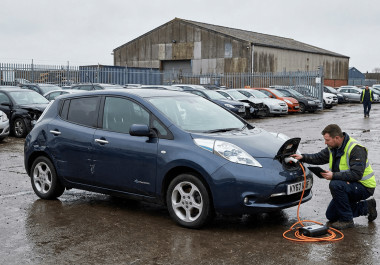
Advanced driver assistance systems, hybrid powertrains, and complex electronics have pushed repair cost thresholds lower for modern vehicles. A minor front-end collision that would have cost £2,000 to repair ten years ago now costs £5,000 because the radar sensor, camera, and associated wiring all need replacement and calibration.
Consider these technology-related costs:
-
Radar and camera sensor replacement (£500-£1,500)
-
System recalibration requiring dealer-level diagnostics (£200-£400)
-
Hybrid battery safety inspection and testing (£300-£600)
-
Software updates and system relearning (£150-£300)
These costs don't add value that owners can see or touch. The car doesn't look any different after spending £800 on sensor recalibration, but it's essential for safety systems to function properly. Insurers factor these invisible costs into their calculations, and they're pushing more modern vehicles into salvage. Browse car auctions to see how technology-laden vehicles perform in the salvage market.
Regional Variations in Repair Costs
Where you live affects whether your vehicle gets written off. London repair rates run 20-30% higher than rural areas, which means identical damage might result in write-off in Birmingham but repair in Manchester. Labour rates vary from £40 per hour in some areas to £85 in others, directly affecting repair cost assessments and whether vehicles breach the total loss percentage.
Parts pricing shows regional variation too. Urban areas with multiple motor factors see competitive pricing. Rural locations with limited supplier options pay premium prices for next-day delivery. These differences matter when repair costs hit the borderline between repair and write-off.
What Happens After the Write-Off Decision
Once the insurer declares your vehicle a total loss, several things happen quickly. You'll receive a settlement offer based on pre-accident market value. The vehicle ownership transfers to the insurer, who then sells it through salvage channels.
If you're financing the vehicle, the settlement goes to the finance company first. Any shortfall between the settlement and outstanding finance becomes your responsibility unless you have gap insurance. This catches many people unprepared as they assumed the insurance payout would clear the finance.
The vehicle then appears at specialist salvage auctions where trade buyers assess repair feasibility. Category S and N vehicles often find new life after professional repairs. Some become featured listings where buyers can find quality salvage vehicles with detailed damage reports.
Making Sense of the Numbers
After three decades in the motor trade, I've seen the insurance write-off process from every angle. The 60-70% repair cost threshold isn't arbitrary, it's calculated to account for visible damage, hidden problems, and the risk of repair complications. Understanding these thresholds helps you make better decisions when buying insurance, choosing repair shops, and assessing whether to challenge a write-off decision.
The system also explains why the salvage market exists and why professionally repaired Category S and N vehicles can offer genuine value to informed buyers. The framework processes thousands of claims efficiently whilst managing risk for insurers and providing compensation for policyholders.
Whether you're dealing with a written-off vehicle or considering purchasing salvage through truck auctions or other categories, knowing how insurers make these decisions gives you the knowledge to navigate the process effectively. If you're uncertain about your specific situation or need guidance on salvage vehicle options, contact us for expert advice tailored to your circumstances.