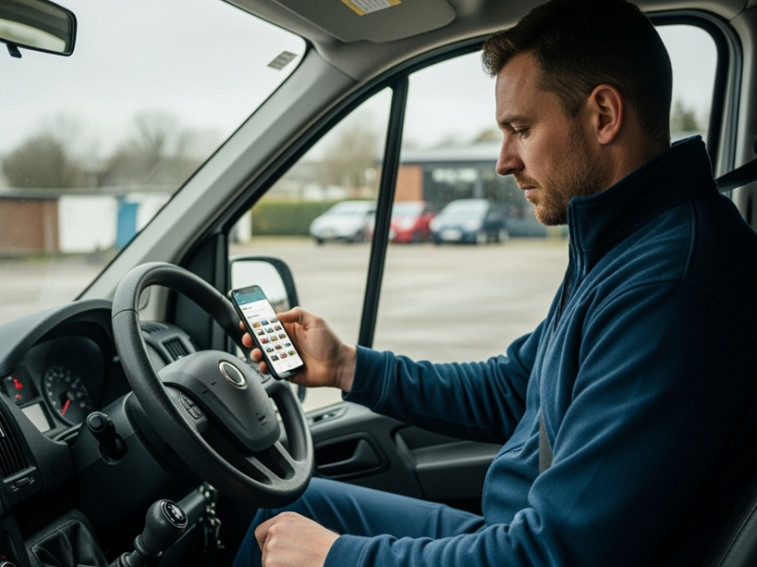
A driveway can quickly transform into a high-stakes auction floor the moment a smartphone buzzes. A typical notification might tell a buyer that a Category N Audi A4 ends in 20 minutes. Without needing to be in a physical hall, the buyer can place a bid instantly. This scenario defines how real-time auction bidding mobile strategies work in the modern salvage market. Opportunities no longer wait for buyers to sit at a desk.
The auction world has undergone a massive shift in the last few years. What once required a desktop computer or a physical presence now happens on a device that fits in a pocket. Today, push notifications are often the deciding factor between winning a bargain and missing a prime opportunity. Staying competitive in 2026 requires a total mastery of these digital tools, including saved searches and outbid alerts, to ensure no stock slips through the cracks.
Why Mobile Bidding Changed the Game
Traditional salvage auctions used to rely on rigid schedules and printed catalogues. This old model forced buyers to plan their entire week around a single event. Online platforms removed the need for travel, but mobile bidding has now removed the time barriers as well. This creates a massive opportunity for the flexible buyer while increasing the overall pace of the market.
Serious bidders no longer wait for a weekly auction event to replenish their stock. Instead, they monitor the flow of vehicles in real-time throughout the day. This 24/7 access ensures that the salvage market moves faster than ever. If you are not using mobile tools, you are essentially competing against a workforce that never stops looking for value. Successful traders now use their devices to access salvage stock the moment it enters the system.
How Push Notifications Actually Work
Most modern auction applications use push notifications to keep users informed about specific events in the bidding cycle. These are not generic marketing messages. They are targeted updates based on your specific activity. The goal is to move the information to the buyer, rather than forcing the buyer to find the information.
-
Saved Search Alerts: These notify you the moment a vehicle matching your specific criteria is listed in the system.
-
Outbid Warnings: These provide instant alerts when another user places a higher bid on a lot you are currently watching.
-
Auction Ending Soon: These serve as a final reminder for vehicles on your watchlist that are entering their closing minutes.
Understanding these triggers allows for precision. Instead of manually refreshing a browser, the system pushes the data to your lock screen. This automation is essential for managing multiple interests across different regions and time zones.
Setting Up Notifications That Actually Help
Customisation is the secret to mobile bidding success. Receiving too many alerts causes notification fatigue, which leads to missing the truly important updates. Start by setting up saved searches for specific stock that fits your business model. If your workshop specialises in commercial vans, create searches for those exact models directly on the RAW2K platform.
Only enable outbid alerts for vehicles you have already researched. This prevents you from being lured into bidding wars on lots where you have not calculated a firm profit margin. Use time-based alerts strategically. Setting a reminder for ten minutes before an auction ends gives you time to check your internet connection. Smart buyers often view live auctions during the day and only enable alerts for the highest-potential candidates.
Real-Time Bidding: Speed vs. Strategy
The landscape of real-time auction bidding mobile apps can occasionally create a psychological trap. The speed of a mobile app might suggest that faster is always better. While reaction time matters, your long-term strategy must remain the priority. Speed should never come at the expense of your pre-determined budget.
Always stick to your maximum bid. Use the proxy bidding system to manage the emotional pressure of the final seconds. Treat a notification as a piece of data, not an order to bid higher. By setting a hard limit based on the vehicle category and potential repair costs, you ensure that you are winning lots profitably.
Managing Multiple Auctions Simultaneously
Mobile platforms allow you to monitor dozens of auctions at once. However, this requires a high level of organisation, often relying on push notifications to track progress across the day. Prioritise your active bids based on the potential profit margin. Use your watchlist to keep track of interesting vehicles that you are not quite ready to bid on yet.
It is helpful to batch your research time. Spend your mornings looking at damage reports and checking MOT histories. Once your research is done, you can rely on notifications to tell you when it is time to act. For those specialising in certain sectors, it is highly useful to browse motorbikes for auction separately to keep your watchlist tidy and exclusively focused on your mechanical strengths.
The Competitive Edge: Notification Timing
Timing provides small but vital advantages in a digital marketplace. Being among the first to utilise proxy bidding can discourage casual bidders who are looking for an easy, uncontested win. For auctions ending soon, having your maximum bid already in the system protects you from signal drops or local network congestion.
If you wait until the last few seconds to bid on a mobile connection, you risk losing the lot due to latency. Placing your final bid slightly earlier allows the server to process the request reliably. This proactive approach, coupled with immediate outbid alerts, is a hallmark of experienced trade professionals who thoroughly understand the limitations of mobile networks.
Common Mobile Bidding Mistakes
Mobile convenience can occasionally lead to carelessness. Avoid bidding based only on a notification summary. You must still review the full listing, the description, and all high-resolution images provided before entering cars online auctions. Never ignore the logistics of collection. A car might look like a bargain, but if it is far away, the transport fees could easily outweigh the savings.
Always factor in the location of the storage point. Whether the vehicle is in Preston, Northampton, Erith, or Manchester, you must have a solid recovery plan. Buyers should identify collection points on the map to ensure the transport distance is manageable for their specific trailer or transporter. Finally, always verify the history of the vehicle yourself. Documentation like the HPI status remains the buyer's responsibility to confirm.
Balancing Mobile Convenience with Due Diligence
Mobile technology is a tool, not a complete solution. It helps you find stock, but the foundational work of a salvage buyer remains the exact same. Before enabling alerts, you should have a clear understanding of current market values.
Before committing to a high-value lot, it is highly recommended to secure a scrap my car quote for similar models to establish a baseline for parts value. This ensures that even if a repair is more complex than expected, the underlying asset has a known worth. High-voltage systems or structural damage require deep analysis that you simply cannot perform through a small notification window.
Making It Work for Your Business
For private buyers, mobile bidding should be about quality over quantity. Use highly targeted saved searches for the exact project you want. For trade dealers, mobile notifications should be integrated into the daily workflow. A mechanic can monitor the market for parts-donor vehicles via a seized cars auction listing while actively working on another car in the bay.
This efficiency gain is exactly why the industry has shifted so heavily towards mobile access. It allows for stock acquisition without the need for dedicated office time. By setting up the right filters, a dealer can monitor available inventory and ensure that only the most profitable opportunities reach their screen.
The Future of Mobile Auction Bidding
Technology will continue to evolve in the salvage sector. We can expect AI recommendations that suggest vehicles based on your previous purchase history. Live video walkarounds and augmented reality assessments may soon provide even more clarity for remote buyers who cannot visit a physical site.
Despite these advancements, the core principles of value will not change. Convenience will never replace the need for careful calculation. The buyers who thrive will be those who combine modern mobile tools with their own mechanical knowledge and local transport networks.
Conclusion
The transformation of the auction landscape is permanent. The adoption of real-time auction bidding mobile technology provides a strategic advantage for those who manage their alerts well. By using push notifications to constantly monitor the market, you ensure that you never miss a profitable lot.
The next big bargain could be just minutes away from closing. Make sure your proxy bidding limits are set and notifications are active for vehicles that perfectly match your criteria. If you have any general enquiries about account settings, you can contact our team for enquiries. Ready to start building your watchlist and receiving alerts? Complete your salvage auction registration today and unlock full access to the platform.