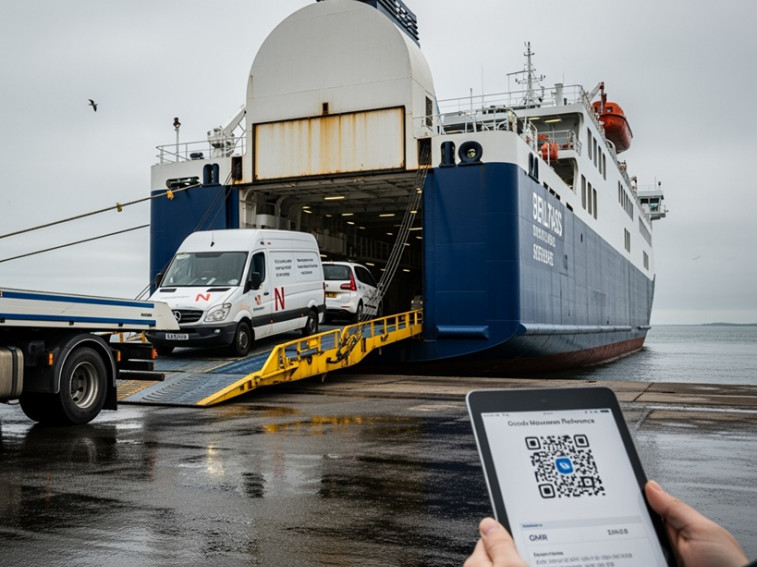
The Irish Sea may be only 12 miles wide at its narrowest point, but moving northern ireland salvage cars between Northern Ireland and Great Britain involves significant logistical planning. Regulatory shifts have transformed what was once a straightforward domestic transfer into a process involving customs declarations, regulatory checks, and comprehensive documentation.
Northern Ireland occupies a unique regulatory space. It follows specific EU rules for the movement of goods under the Windsor Framework while simultaneously remaining part of the UK vehicle salvage and insurance write-off system. For professional buyers and exporters, navigating these dual requirements is essential to ensure that cross-border regulations are met without incurring hidden costs or bureaucratic delays. It is like trying to dance to two different tunes at once; if the steps are unknown, one will trip up fast.
Understanding Northern Ireland's Salvage Market Position
Northern Ireland operates within the standard UK salvage categorisation system, employing Category A, B, S, and N classifications. Insurance companies in the region apply identical standards for write-off declarations as those found in Great Britain. However, while the framework is consistent, the local market exhibits distinct characteristics.
The Northern Irish salvage market is notably smaller and more concentrated. A lower volume of write-offs often leads to tighter inventory, which can influence pricing for high-demand units such as family vehicles and commercial vans. Furthermore, a transaction involving a vehicle moved between Birmingham and Belfast is classified as a cross-border movement, even though both locations remain within the United Kingdom. This distinction alters the cost and compliance landscape significantly, requiring a thorough understanding of current cross-border regulations.
Savvy traders often identify opportunities when prices diverge between the regions. This might involve moving inventory across the Irish Sea to capitalise on regional demand. However, the margins in such operations depend entirely on the ability to manage the necessary paperwork and transport logistics without error. Recognising that these movements are not simple domestic transfers is the first step toward a successful cross-border operation.
The Windsor Framework and Vehicle Logistics
The implementation of the Windsor Framework has fundamentally altered the movement of goods between Great Britain and Northern Ireland. For anyone involved in the salvage sector, understanding the implications of this framework is critical for operational success.
Under these arrangements, Northern Ireland remains aligned with the EU single market rules for goods. Consequently, vehicles moved into Northern Ireland from Great Britain technically enter the EU customs territory. While full customs declarations are not required for most vehicles remaining within Northern Ireland, operators must utilise the UK Internal Market Scheme and complete the necessary digital declarations.
For northern ireland salvage cars specifically, declarations must be processed through the Trader Support Service. This system facilitates the movement of goods but requires advance registration and careful planning. Vehicles cannot be presented at the port without the correct digital clearance. Professional operators frequently review the landscape of UK salvage auctions to identify inventory that justifies these additional procedural steps.
Moving vehicles from Northern Ireland to Great Britain is generally a less complex process. While it involves moving goods from a territory that is technically EU-aligned, routine customs checks are typically not required for most vehicles. However, while the process is less restricted, it still requires adherence to standard documentation and registration updates.
Documentation Requirements for Cross-Border Movements
Paperwork accuracy is the primary factor in determining the success of a cross-border transaction. Moving a salvage vehicle across the Irish Sea requires specific documentation that exceeds the requirements for a standard domestic transfer.
The V5C registration document remains essential for any movement. The DVLA must be informed of any change in the vehicle's registered address, whether it is moving into or out of Northern Ireland. Furthermore, documentation proving the vehicle's salvage category is mandatory. Insurance companies issue certificates upon a write-off declaration, and these documents must accompany the vehicle during transit. Ensuring that the correct salvage documentation requirements are met is vital for legal compliance at both ends of the journey.
When moving vehicles from Great Britain into Northern Ireland, a Goods Movement Reference (GMR) number is required. This is generated following a successful digital declaration. Without this reference, ferry operators will not permit the vehicle to board. This requirement applies to both professional transporters and private individuals.
Additionally, proof of ownership and a commercial invoice are necessary for business transactions. The invoice must reflect the vehicle's accurate value; for salvage units, the purchase price from the auction is typically used. For Category A and B vehicles, even stricter rules apply, as these units are destined for destruction or dismantling and must be moved to an authorised treatment facility with the appropriate permits.
Import Considerations for Northern Ireland
Bringing a salvage vehicle into Northern Ireland requires a structured timeline. Professional operators typically register with the Trader Support Service at least 48 hours before a planned movement. This service provides the platform for the necessary digital declarations and offers advisory support for those navigating the system for the first time.
When completing a declaration, specific vehicle data is required, including the VIN, make, model, and engine size. The declared value must include any buyer's fees incurred during the acquisition. Once processed, the system provides the GMR number necessary for ferry bookings. It is prudent to complete these steps well in advance to avoid delays at the port should any issues arise with the declaration.
There are also VAT considerations to address. Businesses moving salvage vehicles regularly must account for VAT on the movement, whereas private individuals may face different requirements depending on the nature of the acquisition. Furthermore, transit insurance should be reviewed carefully. Standard motor trade policies may not provide coverage for vehicles crossing the Irish Sea, and since salvage units are already compromised, protecting against further transit damage is a strategic necessity. Those who explore damaged cars for sale must factor these secondary costs into their initial profit projections.
Export Considerations and Market Opportunities
Moving salvage cars from Northern Ireland to Great Britain is generally straightforward, but it still requires attention to detail. While advance customs declarations are typically not needed for westbound movements, all standard documentation must remain in order. Vehicle registration records with the DVLA must be updated to ensure that insurance and road tax records align with the vehicle's new location.
For professional operators, the Northern Irish salvage market presents unique opportunities. The smaller market size can sometimes result in less competition for specific vehicle types, such as popular family saloons or light commercial vans. When bidding through salvage vehicle auctions, buyers often find value in Northern Ireland that justifies the transport effort.
Commercial vehicles represent a particularly active segment. The demand for vans in Northern Ireland is consistent, and repairable salvage examples often attract interest from local tradespeople. By focusing on units with minor damage that can be fixed cost-effectively, traders can maintain healthy margins despite the additional logistics.
Common Mistakes and Risk Management
The most frequent error in this sector is assuming that a cross-border movement is identical to a domestic transfer. Underestimating the impact of cross-border regulations often leads to delays at the port or compliance issues. Furthermore, failing to calculate the total landed cost before bidding is a common oversight. A bargain acquisition in Belfast can quickly become unprofitable once transport, documentation fees, and potential VAT are included.
Documentation errors are also a major risk. Acquiring a salvage vehicle without a V5C or a valid category certificate can prevent re-registration and legal movement. It is essential to verify that all paperwork is available before completing a purchase. Additionally, timing issues at the port can be expensive; missing a ferry booking due to late auction paperwork can result in premium rates for the next available crossing.
Future Outlook and Digital Transformation
The regulatory landscape involving Northern Ireland continues to evolve as the Windsor Framework is refined. While the UK government has indicated a desire to simplify internal trade, professional operators should assume that current digital declaration procedures will remain the standard for the foreseeable future.
Technology is playing an increasingly important role in streamlining these processes. Digital systems for customs and registration are becoming more efficient, which should reduce the administrative burden for regular traders over time. Those who establish robust compliance systems now will be best positioned to capitalise on market opportunities as the sector matures.
Accessing the Northern Irish market requires a systematic approach. Platforms like RAW2K provide a diverse salvage car inventory that includes regional opportunities. By maintaining a disciplined approach to documentation and logistics, professional buyers can navigate the complexities of the Irish Sea with confidence.
Strategic Conclusion
Moving salvage vehicles between Northern Ireland and Great Britain requires meticulous planning and a thorough understanding of regional compliance. While the process involves more steps than a standard domestic sale, the opportunities for profit remain significant for those who approach the market with professional discipline.
Calculating the total landed cost, including purchase price, transport, and documentation, is the only way to ensure a viable investment. For specific questions regarding northern ireland salvage cars or cross-border logistics, please contact us for expert guidance. By utilising a register for salvage auctions account, professional buyers can access a wide array of stock and begin participating in this unique segment of the UK salvage market.