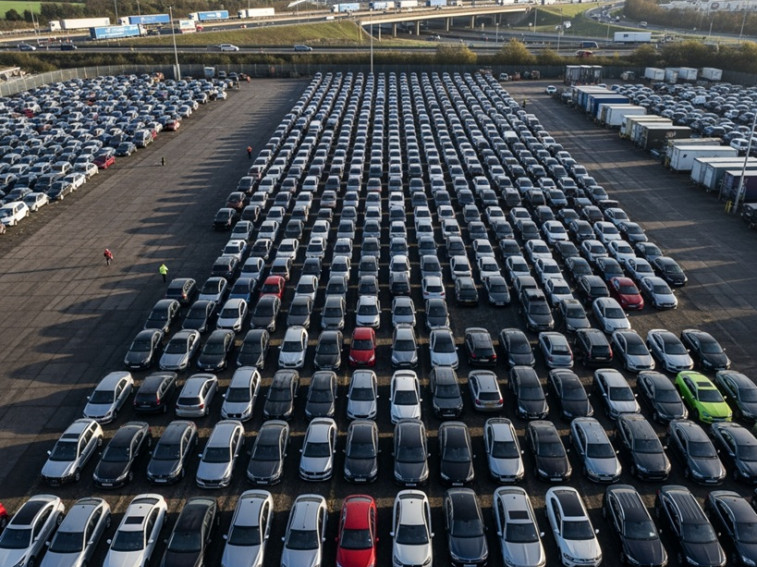
The Midlands processes more salvage vehicles annually than typical market observers may realise. Between Birmingham, Nottingham, Leicester, and Derby, this regional trade sector handles roughly 15 to 20% of England's total salvage volume. This data is based on DVLA write-off statistics and industry reports from major salvage operators, confirming the region's status as a critical hub for vehicle reclamation.
Recent decades have seen this region transform from a network of scattered independent breakers into a sophisticated, data-driven salvage ecosystem. The midlands salvage market is no longer defined merely by damaged inventory. Instead, it involves complex logistics, robust infrastructure, and the accurate recognition of vehicles that retain genuine component or repair value.
Why The Midlands Dominates Salvage Volume
Geography provides a significant portion of the explanation for this regional dominance. The M1, M6, M42, and M69 intersect directly through this corridor, creating Britain's busiest road network outside London. High traffic density inevitably leads to a higher frequency of accidents. Consequently, a steady flow of insurance write-offs enters the regional salvage system. This concentration contributes substantially to the central auction volume found in the heart of the country.
The regional advantage has compounded over time. The Midlands established salvage infrastructure during periods when land was affordable and regulations were less stringent. Today, the area features expansive facilities with dedicated rail links, container operations, and processing centres capable of handling over 500 vehicles weekly. This infrastructure advantage is difficult to replicate in other parts of the United Kingdom.
British Insurance Brokers' Association data indicates that approximately 600,000 vehicles are written off across the UK annually. The Midlands processes between 90,000 and 120,000 of these units. Representing up to one-fifth of the nation's salvage volume, the region serves as the primary salvage centre outside of the capital. This concentration of activity creates opportunities for professional buyers that smaller regional markets cannot match.
Understanding Salvage Categories and Market Dynamics
The Association of British Insurers establishes the categorisation framework, but local market dynamics determine actual values and buyer behaviour. These factors are essential when navigating the midlands salvage market.
Category A vehicles must be crushed completely as they represent a total loss. This includes severe fire damage or complete structural collapse. No resale opportunity exists for these units beyond basic scrap metal recycling. Category B vehicles require the shell to be destroyed, but parts salvaging is permitted. The Midlands hosts numerous specialist dismantlers who have built operations around Category B units. These facilities systematically strip engines, gearboxes, electronics, and interior components before the shell is recycled. This parts breaking approach creates substantial secondary value from units that are otherwise unroadworthy.
Category S vehicles have structural damage that is repairable. They can legally return to the road following professional repair and re-registration. The region sees a high volume of Category S units because insurance write-off thresholds often total vehicles that remain economically repairable for skilled operators with the correct equipment. Category N covers non-structural damage, such as electrical faults, cosmetic issues, or mechanical problems. These often represent significant value as they are inherently roadworthy with relatively minor fixes. Market data suggests that traders frequently purchase Category N units for a fraction of retail value, achieving profitable turnarounds within short timeframes. Accessing inventory through salvage vehicle auctions allows for consistent stock rotation for those focused on these categories.
Volume Trends Reshaping the Regional Salvage Sector
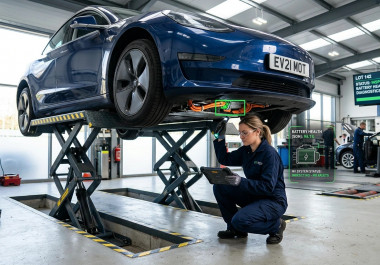
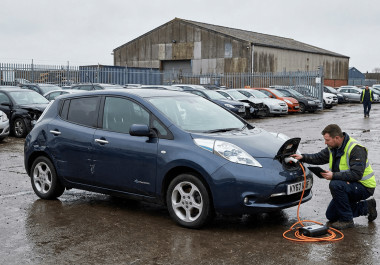
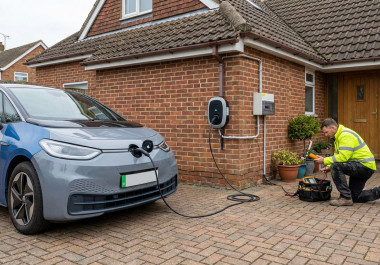
The salvage ecosystem is dynamic, with several trends currently reshaping market volume and opportunities within the Midlands specifically. Electric vehicle write-offs are increasing at a rate that has exceeded many five-year projections. Battery damage frequently triggers total-loss declarations because replacement costs often exceed the book value of the vehicle. While the Midlands is developing specialist EV salvage facilities, this remains an early-stage development. Buyers who develop competence in EV battery assessment currently possess a distinct advantage over competitors in this emerging segment.
Furthermore, parts breaking sophistication has advanced through technology. Modern vehicles contain thousands of pounds in reusable components even after severe structural damage. Midlands dismantlers now employ computerised inventory systems to sell components globally. This transition has transformed parts breaking from a local trade into an international operation, bolstering the central auction volume with a diverse range of international buyers seeking salvage cars for sale.
Export market fluctuations also play a role, often following currency values and international regulation changes. When sterling weakens, buyers from African and Eastern European markets frequently attend auctions to secure specific vehicle types. Professional operators must monitor exchange rates alongside vehicle valuations to remain competitive in these globalised bidding environments.
Where Genuine Salvage Opportunities Exist
Specific vehicle categories consistently deliver value to knowledgeable buyers. Light commercial vehicles, such as Ford Transits, Volkswagen Crafters, and Mercedes Sprinters, maintain strong residual values despite significant damage. A van with rear-end damage but a solid drivetrain attracts serious bids because of the high demand for affordable work vehicles. The regional commercial salvage market is particularly active around Birmingham and Coventry, where large van fleets are common.
Prestige marques with repairable damage can also generate substantial returns for skilled buyers. A premium saloon with panel damage might auction for significantly less than its post-repair retail value. However, this gap only represents a genuine opportunity if repair costs are calculated with precision. Professional buyers avoid the common error of underestimating technical complexity and hidden electronic damage in modern luxury vehicles. Older vehicles with low mileage also represent a specific niche. A decade-old vehicle with low mileage might be written off for minor cosmetic reasons because its book value is low, yet its remaining mechanical lifespan may be extensive.
The Auction Landscape and Available Channels
The regional auction landscape operates through several major venues, ensuring the midlands salvage market remains liquid. Major facilities in Sandtoft and Leicester handle substantial volumes, attracting international participation through sophisticated online platforms. These systems have democratised access to inventory that was previously restricted to trade professionals.
Other operators provide salvage sales alongside mainstream auctions, which often attracts private buyers and smaller operators. This variety in venue type helps maintain a high central auction volume across UK salvage auctions. Online platforms now allow users to browse listings from any location and research vehicles thoroughly before committing to a bid. This convenience has increased available inventory and provided more options for those entering the market.
What Successful Salvage Dealers Actually Prioritise
Evidence from the sector confirms that profitable buyers share consistent, analytical habits. Professional operators prioritise comprehensive inspections, recognising that photographs can omit vital details. Only a detailed assessment reveals the complete mechanical and structural state of a vehicle. Platforms like RAW2K provide the necessary data and imagery to assist in these professional assessments.
Understanding repair costs with precision is equally vital. Successful traders obtain detailed quotes for bodywork and parts before bidding. They also track market values to understand the gap between the damaged purchase price and the eventual repaired value. Without this data, bidding becomes speculative rather than strategic. Many profitable operators choose to specialise in specific models. By focusing on a narrow range of vehicles, they develop a deep understanding of common faults, parts availability, and resale values.
Common Mistakes and Risk Management
Financial loss in salvage auctions often stems from repeated errors. Emotional bidding, where a buyer exceeds a pre-determined limit, is a primary cause of eroded profit margins. Discipline is required to walk away when the price exceeds the logical valuation. Browsing salvage cars for sale with a clear budget in mind is an effective way to maintain this discipline.
Ignoring hidden damage is another common oversight. A front-end collision may appear straightforward until a bent chassis or deployed airbags are discovered. It is prudent to assume damage may be worse than disclosed until a full assessment is possible. Furthermore, underestimating logistics, such as transport from Nottingham or Derby and storage fees, can quickly consume expected profits.
Regional Variations and Regulatory Framework
The Midlands is not a monolithic market. Birmingham and the Black Country handle the highest volumes due to population density, while Nottingham and Derby have developed specialisations in commercial vehicle salvage. Leicester has emerged as a significant hub for parts breaking and international export.
The regulatory framework is governed by the DVLA. When vehicles are written off, insurers update records to reflect the appropriate category. Category S and N vehicles can return to the road after appropriate auction processes and subsequent safety inspections. Environmental compliance is also mandatory, ensuring that fluids and hazardous materials are handled correctly by reputable yards.
Export Markets and International Dynamics
The region maintains strong connections to international markets, which influences domestic pricing. For instance, demand for specific petrol-engine models in West Africa can drive auction prices higher than a domestic repairer might expect. Similarly, Eastern European demand for premium German brands remains high due to lower local labour costs for repairs. Buyers should be aware that they are often competing with international interests when they browse damaged cars for sale in the Midlands.
Strategic Entry and Market Conclusion
Entering the salvage market requires clear objectives and a realistic budget. Successful participants often start with lower-risk Category N vehicles to understand the paperwork and repair processes before progressing to more complex projects. Building a network of reliable transporters and mechanics is essential for long-term success.
Those interested in the sector can contact us for further guidance on navigating regional opportunities. By utilising a register for salvage auctions account, buyers can access a wide variety of stock and begin participating in one of the United Kingdom's most active salvage environments. Precision and discipline remain the most reliable predictors of success in this high-volume regional market.