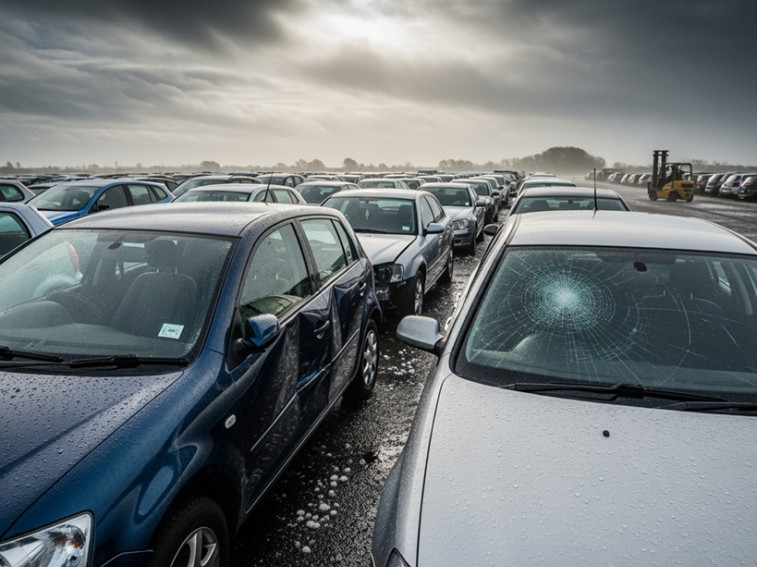
Storms do not merely disrupt logistical plans; they actively reshape entire auction inventories. When heavy rain results in flooding or hail impacts vehicles on major motorways, the ripple effect reaches salvage yards and online platforms within days. Professional buyers frequently observe that certain times of the year bring a surge of specific vehicle types to the market.
This is rarely a coincidence. Weather patterns often dictate what inventory arrives, when it arrives, and the total volume available to the market. Understanding the weather impact on auctions provides professional traders with a distinct advantage when planning acquisition cycles and managing budgets.
The Direct Line Between Weather Events and Auction Stock
Severe weather creates salvage vehicles in predictable ways. Flooding can write off thousands of vehicles in a single event, while ice storms frequently cause collisions on busy road networks. Even summer heatwaves contribute to the market, often triggering engine fires or failures in older vehicles pushed beyond their mechanical limits.
Each weather event generates a specific damage profile. Flood-damaged units may present water ingress and corroded electronics, while hail damage typically creates cosmetic write-offs involving mechanically sound cars with battered bodywork. High winds can also lead to fallen debris or trees, causing structural damage to roofs and glass. Understanding these direct links helps buyers anticipate a storm damage influx and evaluate repair viability with greater precision.
Seasonal Patterns in Salvage Supply
Winter typically brings the most dramatic shifts in salvage inventory. Between November and February, accident rates frequently spike due to black ice, reduced visibility, and shorter daylight hours. This seasonal reality ensures that car auctions often fill with collision-damaged vehicles from January onwards as insurance claims are processed. The weather impact on auctions is most visible during this late-winter peak.
Spring often introduces significant flood risk. Heavy rainfall can overwhelm drainage systems, particularly in low-lying areas. These events create water-damaged stock that appears in auctions throughout late spring and early summer. Summer heatwaves stress cooling systems, leading to more engine-related failures, while localized hail storms keep salvage supplies replenished during the warmer months. Autumn serves as a transition, with early frosts often catching motorists off guard and generating an initial spike in minor collisions.
Regional Variations and Geographical Realities
Geographical differences across the United Kingdom ensure that salvage supply is not uniform. Northern regions often face harsher winter conditions, meaning that collision-related supply peaks earlier and remains elevated for longer. In contrast, coastal areas must contend with salt corrosion and storm exposure, often resulting in accelerated rust damage even in vehicles written off due to minor impacts.
Low-lying regions near major river systems face chronic flood risk. Areas such as the Somerset Levels or parts of Yorkshire contribute disproportionately to flood-damaged inventory, influencing broader national supply patterns. Urban environments also present unique challenges; the heat island effect in major cities stresses vehicle cooling systems more than rural climates, leading to a higher frequency of overheating-related failures during the summer months.
How Commercial Fleets Respond to Weather
Commercial fleet operators face different pressures during severe weather. These vehicles often operate in all conditions, leading to a disproportionate level of weather-related damage compared to private cars. Fleet insurance policies frequently include rapid replacement provisions, ensuring that when a vehicle becomes uneconomical to repair, it is replaced immediately.
This accelerated process increases the flow of professional inventory into the market. It is common to see a surge in light commercials, salvage motorbike auctions, and other specialised fleet stock following major storm events. This predictable influx allows professional buyers to target specific categories where supply is temporarily elevated.
Timing Your Auction Participation
Understanding these meteorological patterns helps professional buyers anticipate supply surges. Flexibility in acquisition is a key advantage; waiting for post-storm supply increases can provide more choice and potentially better pricing. Competition often softens when common models flood the market simultaneously following a large-scale event.
A sudden storm damage influx can occasionally depress prices within specific categories, creating unique opportunities for those who monitor salvage vehicle auctions regularly. While assessment and processing take time, comparing historical data from UK salvage auctions can provide a benchmark for acceptable pricing during supply peaks. Furthermore, seasonal timing affects competition; fewer buyers may be active during peak summer holidays or the late December period, even as weather-related supply remains steady.
The Climate Change Factor
Weather patterns are shifting, and the UK now experiences more frequent extreme events than in previous decades. This trend leads to more volatile salvage supply, with sharper peaks and deeper troughs throughout the year. Increased flooding across many regions has created a sustained elevation in the availability of flood-damaged units.
As heatwaves become more intense, engine-related failures are becoming a more significant component of summer inventory. Storm intensity is also increasing, meaning that individual weather events now generate larger surges in the salvage car inventory. This volatility requires professional buyers to remain adaptable and data-driven in their approach.
Reading Auction Listings for Weather Clues
Damage descriptions often reveal weather origins even when they are not explicitly stated. A cluster of vehicles with identical damage patterns from the same regional registration area suggests a specific weather event. For example, a group of vehicles from the same postcode with water damage is a strong indicator of localised flooding.
Traders can also browse salvage caravan auctions to identify regional patterns, as recreational vehicles are often highly susceptible to storm and flood damage. Listing timing provides additional context; a sudden influx of hail-damaged vehicles in the early summer is likely linked to a specific storm system, helping buyers evaluate the extent of the damage before committing to a bid.
How Salvage Grades Reflect Weather Damage
Insurance salvage categories provide an indication of damage severity. Category S vehicles often result from structural collisions during poor weather, while Category N vehicles frequently stem from flood or cosmetic storm damage. Weather-impacted vehicles can span all categories depending on the extent of the exposure.
Understanding these distinctions is essential for identifying value. A Category N unit with light water ingress presents a different prospect than a structural write-off resulting from prolonged submersion. By targeting Category S cars or Category N units based on specific weather origins, buyers can align their acquisitions with their repair or resale expertise.
Parts Harvesting from Weather-Damaged Stock
Weather damage often affects specific areas of a vehicle while leaving others untouched. Hail-damaged cars typically feature pristine interiors and mechanical components, with only the external panels requiring attention. Conversely, flood-damaged vehicles may have perfect body panels but compromised electronics and interiors.
Smart buyers often target these vehicles for specialised write-off vehicle sales or components. Storm-damaged units with localised impact can be excellent sources for glass, external trim, and body panels. This specialised approach to procurement allows for high-value component recovery from inventory that would otherwise be overlooked.
Strategic Entry and Conclusion
The professional advantage in the salvage market often comes down to pattern recognition. Trade buyers monitor weather forecasts and regional news as diligently as they monitor auction listings. This advance knowledge allows them to anticipate a storm damage influx and plan their participation weeks in advance.
The salvage landscape will continue to be driven by weather patterns. As climatic extremes intensify, the ability to predict and respond to supply fluctuations will become an even more critical skill for long-term success. The vehicles appearing on platforms like RAW2K do not materialise randomly; they are the result of environmental, insurance, and seasonal factors working in tandem.
For specific questions regarding weather-related opportunities or auction strategies, please contact us for expert guidance. By utilising a register for salvage auctions account, professional buyers can begin implementing these forecasting strategies across a wide range of inventory immediately. Understanding the weather impact on auctions transforms a reactive approach into a proactive business model.