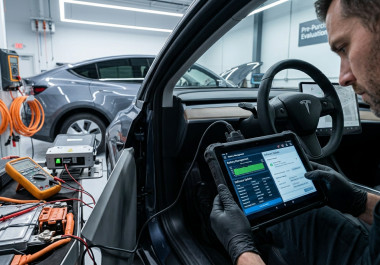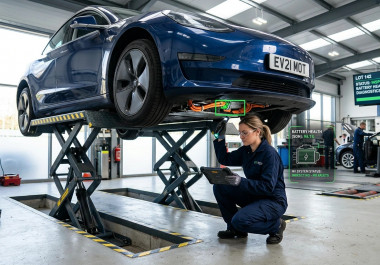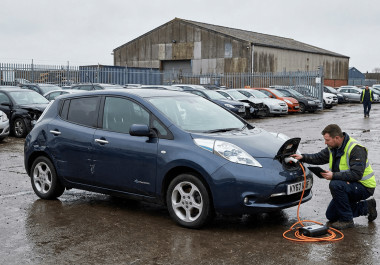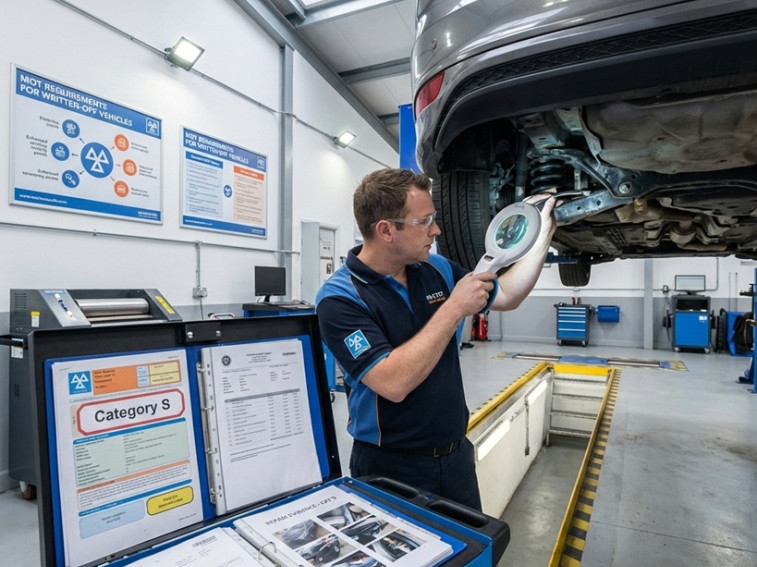
Purchasing a vehicle designated as an insurance write-off presents an excellent opportunity for both private restorers and professional dealers to find exceptional value. However, securing that bargain is only the first step; the final hurdle is ensuring the vehicle is safe, legal, and ready for the road. For any car or bike previously deemed salvage, understanding the stringent MOT rules for written-off vehicles is crucial for a successful ownership transition. A write-off doesn't mean a vehicle is permanently unusable, but it does mean a much more rigorous inspection is required before the vehicle can be legally used again.
Understanding Write-Off Categories and Inspection Implications
When a vehicle is designated as a total loss by an insurance company, it is assigned a category that indicates the nature and severity of the damage. This categorisation directly impacts the repair standards required and the subsequent checks necessary for road legality. Knowing the difference between structural and non-structural damage is essential for budgeting and planning the path to roadworthiness.
Structural Damage: Category S
Vehicles categorised as Category S (Structural) have sustained damage to the chassis, frame, or structural safety cage. While these vehicles can be repaired and returned to the road, the restoration must be carried out to a professional standard to ensure passenger safety. This type of damage requires specialist attention to the structural integrity before even considering the cosmetic repairs. The vehicle's entire geometry must be accurately restored to factory specifications before it stands a chance when passing MOT with Cat S vehicles.
Non-Structural Damage: Category N
Category N vehicles (Non-Structural), the replacement for the old Category D, have not suffered damage to the vehicle's structural integrity. The damage is instead confined to non-structural parts such as the electrics, interior, or bolt-on panels like bumpers and wings. Although the repairs are often simpler, the vehicle still requires a full and successful MOT before it can be driven. Buyers of non-structural salvage should still be meticulous in their inspection, focusing particularly on complex electronic systems that may have been water-damaged.
The Unique MOT Challenges for Salvage Vehicles
While the MOT test itself remains standard, the circumstances surrounding a previously written-off vehicle mean the tester will be exceptionally focused on certain areas. The entire point of the MOT is to confirm the vehicle meets minimum safety standards, and this scrutiny is amplified for repaired salvage through platforms like RAW2K. Buyers must ensure that all elements compromised in the original incident are restored with verifiable, high-quality parts and workmanship.
Mandatory Repair Standards Before Testing
For any Category S car, the repair process must include explicit steps to verify the integrity of the reinstated structure. This often involves professional reports on chassis alignment, which should be available to the MOT tester. Without clear evidence of professional structural repair, the chances of the vehicle being deemed safe are slim. This documentation forms a necessary part of the vehicle's history and supports the claim of compliance with MOT rules for written-off vehicles.
Key Safety Systems Under Scrutiny
The standard MOT focuses on three crucial safety areas that are highly susceptible to damage in a collision: steering, suspension, and braking systems. For a write-off, the tester will pay particular attention to components connected to the structure.
-
Suspension and Steering: Alignment issues, damaged control arms, or uneven tyre wear resulting from the accident must be perfectly rectified
-
Braking System: Hoses, lines, and calliper mounts must be undamaged and functioning optimally, especially if the impact was near the wheel assembly
-
Underbody Integrity: The tester will look for any signs of poor repair, welding defects, or rust where new metal was joined to the original structure
This thorough check confirms that even though the vehicle has a history, it is now as safe as any other on the road.
Providing Evidence for a Successful MOT
The difference between a failed and a successful retest often comes down to documentation and transparency. You aren't just presenting a repaired car; you're presenting a case to the MOT tester that proves the repair work was done correctly and safely. A dealer or restorer must collect detailed records throughout the restoration process.
Documentation Proving Quality Restoration
To ensure passing MOT with Cat S vehicles is a smooth process, gather all available evidence related to the vehicle's resurrection. This includes original insurance damage reports, invoices for replacement parts used, and detailed photographs taken during the structural repairs. If specialist alignment work was conducted, the final printout from the jig or measuring system is invaluable. This paperwork demonstrates expertise and due diligence, bolstering the MOT tester's confidence. Sourcing the right project car starts by reviewing comprehensive auction listings through buy Cat S vehicles requiring MOT compliance.
The Importance of the Repair Certifications
While the UK no longer requires a separate Vehicle Identity Check (VIC) test for write-offs, the responsibility of proving the vehicle is safe now rests entirely on the owner and the repairer. This means that if you source a light-damage car through an auction and carry out repairs yourself, you must still meet the professional standards expected of any repair shop. Buyers often find it beneficial to use a certified repairer who can provide an official, detailed invoice detailing the work completed for MOT requirements salvage cars need.
Budgeting for Roadworthiness and Regional Considerations
Buying a salvage vehicle for resale or personal use is comparable to taking on a property renovation project; the advertised price is only the beginning of the investment. Astute buyers always factor in hidden costs and regional labour rates when calculating their maximum bid. Ignoring these variables can easily turn a bargain into an expensive mistake.
Calculating the Total Cost of Ownership
To determine the true value of an auction vehicle, you must accurately estimate all costs required to get it ready for sale or use. These include the following:
-
Purchase Price (plus auction fees and VAT)
-
Cost of Replacement Parts (OEM or quality aftermarket)
-
Labour Charges (especially for structural repairs)
-
Transport and Storage Fees
-
MOT Retest Fees as part of written-off car MOT testing
If your calculations show that the final on-the-road cost exceeds about 75% of the vehicle's retail value, the purchase might not be a worthwhile investment. Think of this process as a financial risk assessment: only proceed if the potential reward significantly outweighs the effort and expense of the restoration when sourcing through salvage vehicle auctions with MOT histories.
Finding Support for Specialist Repairs
Regional differences can affect both the cost and availability of specialist repair services, particularly for chassis work. Planning the logistics of transporting the vehicle to a reliable body shop is just as important as the repair itself. For specific vehicle locations across the UK, explore nationwide auction sites to plan efficient collection routes.
The journey from a salvage listing to a roadworthy vehicle is a test of preparation and detail. You must approach the MOT for a write-off with the same seriousness as a major structural survey. By meticulously documenting repairs, sticking to a pre-set budget, and understanding the core MOT rules for written-off vehicles, you turn a high-risk purchase into a highly profitable or satisfying success through written-off vehicle auctions.
Comply with MOT requirements salvage cars need for safe and legal road use. Begin your search for your next project today. For questions about the auction platform or your account, contact support. Open your account to access comprehensive resources and start your restoration journey with confidence.