Finishing a salvage car restoration is a massive achievement. Once those repairs are done, you likely want to get the vehicle onto the market quickly. However, failing to provide the right paperwork means leaving significant money on the table. Buyers in the salvage sector always demand proof instead of promises.
Experienced motor trade experts notice that great repairs often lose value without hard evidence. This happens because sellers cannot prove exactly what work they completed. Conversely, cars with a meticulous resale documentation trail consistently sell faster. They also command premium prices from informed buyers who value transparency.
Effective salvage record keeping is the critical difference between a quick sale and a long struggle. It transforms a risky project into a professional, documented restoration. We will look at how to build a file that justifies your asking price and protects your profit.
Why Documentation Outweighs the Physical Repairs
A repaired salvage car almost always faces immediate doubt from potential buyers. This is simply the reality of the UK motor trade today. Every prospect wonders about the original damage and the quality of the fix. They naturally worry that someone cut corners during the rebuild process.
Repair documentation answers these difficult questions before a buyer even asks them. It builds a bridge of trust between you and the purchaser. Consider that few people would buy a house without a professional survey. Similarly, buyers rarely pay top prices for salvage without evidence of high-quality work.
Building a resale documentation trail is a very straightforward principle. It proves that you have absolutely nothing to hide about the vehicle's history. This level of transparency is your most powerful tool when you are ready to sell your finished project.
The Essential Records for Maximising Resale Value
You do not need to record every single bolt you tighten. However, certain records are non-negotiable if you want a successful sale. Proper salvage record keeping must begin before you even pick up a spanner. Comprehensive photography is the first essential step in this process.
You should capture every angle of the original damage. Make sure the VIN plate is clearly visible in at least one photograph. You should also document any interior damage and mechanical issues you find. Date-stamped images prove the starting condition of your project to any future owner.
Sellers have lost thousands of pounds on premium restorations because they lacked these early photos. Without them, buyers often assume the original damage was much worse than it really was. Consequently, they will lower their offers to cover that perceived risk. Protecting your investment starts with your camera.
Documenting the Repair Process Step-by-Step
This is the stage where many restoration projects fall short. Work gets completed, but it remains completely unrecorded. A professional resale documentation trail must always include itemised parts receipts. These should show the supplier details, purchase dates, and part numbers.
Every receipt serves a specific purpose in your master file. For example, a receipt for new suspension bushes proves you did not just apply temporary patches. It demonstrates a commitment to a comprehensive mechanical replacement. You should also keep labour invoices if you used external specialists.
Before, during, and after photographs are vital for each repair stage. They prove the thoroughness of your methodology to anyone inspecting the car. These images show that you fixed the problems correctly rather than just hiding them under fresh paint.
Professional Validation and Post-Repair Certification
Once the physical work is complete, you will need professional validation. These documents require an upfront cost, but they usually pay for themselves at resale. A professional engineer's report is often the most valuable document you can hold. It provides an expert opinion that most buyers will trust.
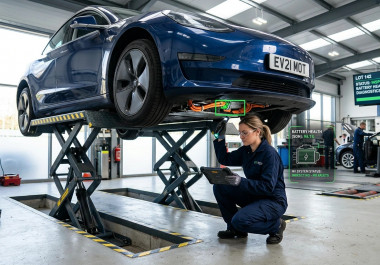
An engineer's inspection confirms the structural integrity of the vehicle. This report can frequently add over a thousand pounds to your final sale price. Additionally, you should keep alignment printouts to prove the suspension geometry is correct. This shows the car will handle exactly as the manufacturer intended.
Electrical system diagnostics and paint depth readings also provide peace of mind. These documents prove the car meets high standards of safety and finish quality. Ultimately, this level of salvage record keeping separates you from casual flippers who ignore the details.
Organising a Systematic Documentation System
Random receipts scattered in a drawer will not impress a serious buyer. You need a systematic approach that remains easy to maintain throughout the project. Creating both digital and physical copies of your records is the best strategy. This ensures you always have a backup ready for a viewing.
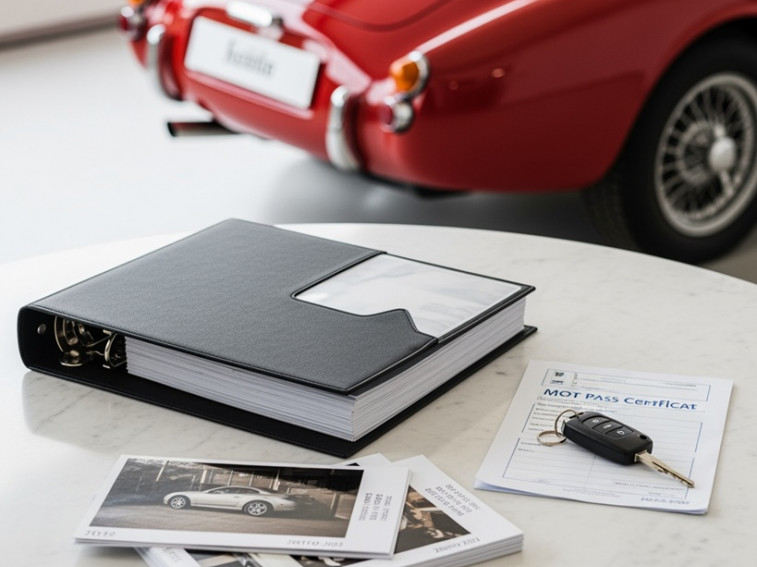
Technology can occasionally fail, so some buyers still prefer physical folders. Maintain copies of your purchase documents, damage assessments, and parts invoices. You should also include all testing certifications and final specification sheets. A clean, organised folder suggests a clean, organised repair job.
Use cloud storage for all your digital backups. Losing your data equates to losing real-world resale value. A professional presentation folder makes a great impression during viewings. It allows the buyer to browse your work while they walk around the car.
Understanding UK Legal Requirements for Salvage
Beyond boosting value, certain records are strict legal requirements. When a car is a Category S or N write-off, you must notify the DVLA. You must keep copies of the V5C logbook and all DVLA correspondence. This ensures the vehicle's status is updated correctly on official records.
Salvage cars also require a fresh MOT before returning to the road. This rule applies even if the previous certificate has not yet expired. A clean MOT history after a repair is a major selling point. It proves the car is legally roadworthy and safe for typical situations.
You must also declare the salvage history to your insurance company. Keeping records of these quotes and policies shows buyers the car is easily insurable. This addresses one of the most common concerns for salvage vehicle purchasers. It proves the car is ready for practical, everyday use.
Financial Records That Justify Premium Prices
Buyers want to understand the scale of the investment you have made. Detailed financial records justify your asking price during negotiations. Start a spreadsheet that lists every single component you have purchased for the car. This helps you track your budget while building a case for the resale price.
Include the part description, manufacturer, and the total cost. If you have invested several thousand pounds in quality parts, buyers need to see the receipts. This financial resale documentation trail is a core part of your value proposition. It shows exactly where the money went.
You should also document your labour costs. Whether you hired professionals or did the work yourself, keep a detailed log. DIY labour still carries legitimate value in the eyes of a buyer. Documentation allows you to show the purchaser exactly how much expert time went into the restoration.
Maintaining Service History Post-Repair
The documentation journey does not end when the repairs are finished. Ongoing maintenance records prove the car has received consistent care. If you find a vehicle at one of the UK salvage auction sites, establishing a new service file from day one is essential. This builds a history that continues long after the rebuild.
Log all oil changes, fluid replacements, and filter swaps with the date and mileage. Main dealer service stamps carry significant weight with prestige car buyers. Reputable independent garages also provide excellent credibility for your file. Consistently recording this data ensures the vehicle remains desirable.
Document the replacement of wear items like tyres and brake pads. This demonstrates honest, ongoing care for the vehicle. It contrasts sharply with the "quick-flip" approach that many buyers try to avoid. Regular maintenance records prove the car is reliable for common driving needs.
Professional Standards for Documentation Photography
Substandard photographs can undermine even the best restoration work. You need professional-quality images for effective salvage record keeping. When browsing salvage car auctions UK, you will notice that the best listings always have clear imagery. You should replicate this quality for your own records.
Always take photos in natural daylight to avoid harsh shadows or flash reflections. Use clean backgrounds and take shots from multiple angles. 45-degree corner shots are usually the most effective for displaying a car's lines. You should also take close-ups of specific repairs and the VIN plate.
Capture many more images than you think you will ever need. This initial documentation cannot be recreated once the physical work has started. Progress photography should methodically document each stage of the build. This proves your fix was thorough and professional.
The Competitive Advantage of Excellent Records
Most sellers of repaired salvage cars provide very poor documentation. They might only have a few random receipts or blurry photos on a phone. This low standard is an opportunity for you to stand out. It makes your car more attractive when advertising write-off cars for sale UK.
When you present a comprehensive documentation folder, the buyer's perception shifts. You become a serious restorer who has completed work properly. This difference leads to faster sales and much higher prices. Buyers feel safer when they can see exactly what they are paying for.
Good records also eliminate buyer objections during price negotiations. It is much harder for a buyer to ask for a discount when you can prove the quality of every part. Transparency builds the trust needed to close the deal. Ultimately, your documentation is what makes the sale.
Conclusion
Building a professional history for a repaired car is not optional. It is the only way to maximise your return on investment. If a project proves too difficult, you can always seek a scrap car valuation to recoup your initial costs. However, good records make a successful restoration much more likely.
Obtain professional validation through engineer reports and fresh MOT tests. Organise everything into a master file that stays with the vehicle. This file proves to buyers that the car is safe, roadworthy, and repaired with quality components. It removes the guesswork from the buying process.
Investing five minutes a day in your records can add thousands to your final sale price. If you are ready to find your next project on RAW2K, make sure to create auction account credentials today. Stay informed, stay organised, and your salvage projects will consistently reach their full market potential.