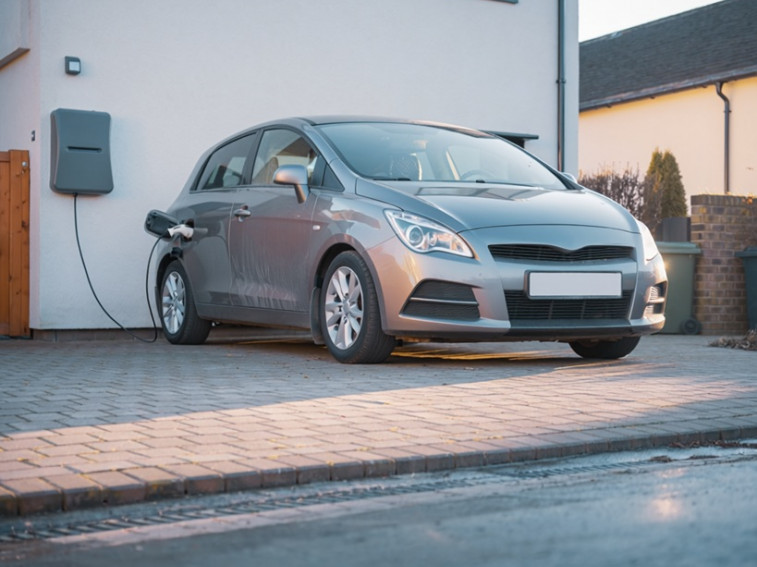
Electric vehicles are no longer a future concept; they are established assets, and the secondhand market is where the most significant value currently sits. Many buyers still hesitate when passing perfectly good used EVs at auction, often due to outdated concerns about batteries, range, or charging infrastructure. Meanwhile, informed buyers are acquiring three-year-old electric hatchbacks for a fraction of their original retail price, securing substantial financial advantages in the process.
The transition to electric transport is accelerating globally. Buyers do not need to pay premium new-car prices to participate in this shift. The secondhand EV market has matured significantly over the past few years, ensuring that the benefits of secondhand EV ownership start the moment the vehicle is driven away from the auction house.
The Financial Shift to Electric Energy
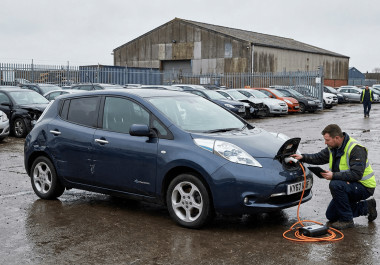
The most immediate benefit observed by new electric vehicle owners is the dramatic reduction in daily fuel expenditure. I once helped a colleague work out his savings after he picked up a 2019 Nissan Leaf at auction for £9,500. He was previously covering 12,000 miles a year in an older diesel saloon, spending roughly £150 a month on fuel. With the Leaf, his charging costs dropped to approximately £35 a month using a home wallbox on an off-peak tariff. That represented £115 saved every single month, totalling £1,380 a year. Over five years of ownership, that initial calculation projected nearly £7,000 in retained capital before accounting for any other operational savings.
These figures improve further when drivers utilise workplace charging or free public facilities provided by certain supermarkets and local councils. However, home charging remains the primary source of savings. A dedicated off-peak electricity tariff designed for EV owners can bring the cost per mile down to about three or four pence. When compared to the 15 to 20 pence per mile average for a modern petrol car, the financial logic of the transition becomes undeniable.
Tax Incentives and Capital Allowances
For company car drivers and business owners, electric vehicle tax advantages make secondhand models exceptionally appealing. Benefit-in-Kind (BIK) tax on electric vehicles sits at just 2% for the 2024/25 tax year. Conversely, a petrol or diesel equivalent could attract a BIK rate of between 20% and 37% depending on its emissions.
For example, a secondhand BMW i3 valued at £15,000 as a company car would cost a basic-rate taxpayer about £120 in BIK tax for the year. The same value in a petrol saloon would cost over £1,000 annually. Additionally, Vehicle Excise Duty (road tax) for electric vehicles currently stands at zero. While owners of petrol and diesel cars pay £180 or more annually, EV owners enjoy complete exemption. This specific benefit applies to any EV registered before April 2025, meaning secondhand buyers secure the exact same regulatory advantages as those purchasing brand-new vehicles.
Businesses also gain from comprehensive capital allowances on electric vehicles, allowing them to write off the entire cost against their profits in the first year. These electric vehicle tax advantages apply directly to secondhand purchases, making them a highly tax-efficient method for upgrading a commercial fleet.
Mechanical Simplicity and Maintenance Cost Reductions
A significant advantage often overlooked is that electric vehicles possess far fewer moving parts than internal combustion engines. There are no oil changes, no timing belts, no complex exhaust systems to corrode, and generally no traditional clutches to replace. The list of mechanical components that simply cannot fail is remarkably long.
Older petrol cars frequently require hundreds of pounds in preventative maintenance just to pass an annual MOT. In contrast, EVs of the same age typically require only basic suspension checks, tyre replacements, and brake pad inspections. A major factor in this reduced wear is the regenerative braking system. Because the electric motor handles the majority of the deceleration, the physical brake pads and discs last significantly longer. It is common for EV owners to exceed 60,000 miles on original brake pads, a feat rarely achieved in a diesel commercial van.
Service intervals are generally longer and less intrusive. Many EVs require only a basic health check and cabin filter change once a year. These annual services are typically cheaper, averaging £100 to £150, compared to the £200 to £300 expected for a comparable petrol car. For buyers exploring write-off cars, this mechanical simplicity translates into highly predictable and manageable long-term running costs.
Addressing Battery Longevity and Warranties
The primary concern for most buyers entering the secondhand EV market is battery degradation. However, practical data shows the reality is far less problematic than early industry assumptions suggested. Modern EV batteries maintain their health exceptionally well, largely due to advancements in thermal management and battery chemistry.
Most electric vehicles from 2017 onwards retain 85% to 90% of their original battery capacity after five years and 60,000 miles. If a vehicle originally offered a 200-mile range, it will typically still deliver 170 to 180 miles after five years of daily use. Given that the vast majority of drivers rarely exceed 100 miles in a single day, this capacity remains more than sufficient.
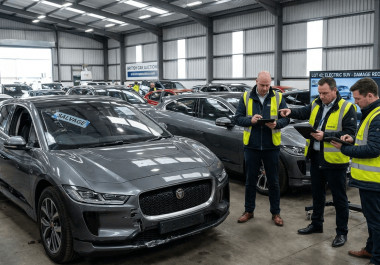
In addition, a manufacturer's EV battery warranty provides a robust safety net. Many manufacturers offer eight-year or 100,000-mile warranties on the high-voltage battery pack, and these warranties are generally fully transferable to subsequent owners. When purchasing a three-year-old EV, the buyer often inherits the remaining balance of this comprehensive EV battery warranty coverage. This provides significant peace of mind when browsing salvage inventory and evaluating long-term reliability.
Infrastructure and the Driving Experience
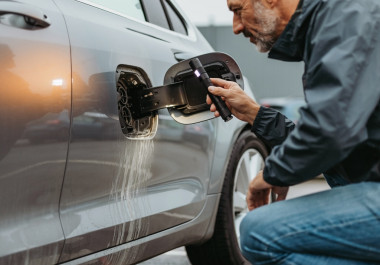
The argument surrounding "range anxiety" continues to lose relevance as infrastructure expands. The UK now hosts over 50,000 public charging points, with rapid chargers becoming a standard fixture at motorway services, retail parks, and urban centres. By mapping out journeys using dedicated applications, drivers can easily access reliable public charging networks. Modern electric vehicles can add 100 miles of range in roughly 20 to 30 minutes on a rapid charger, which aligns perfectly with a standard motorway rest break.
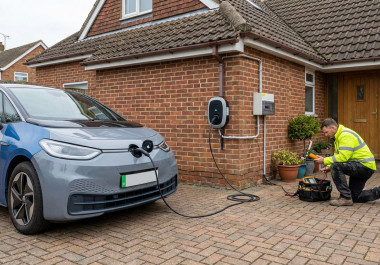
Home charging remains the ultimate convenience. Installing a wallbox allows owners to wake up every morning with a fully charged vehicle, eliminating the need to divert to petrol stations during inclement weather. For those relying on online car auctions to source their next car, ensuring home charging capability maximises the economic benefits of the vehicle.
Beyond the financials, the qualitative driving experience is genuinely improved. The instant torque provided by electric motors makes acceleration smooth and highly responsive, transforming urban driving. The absence of engine noise and mechanical vibration creates a relaxing cabin environment. Additionally, learning to utilise the regenerative braking system allows for single-pedal driving, which is highly efficient and significantly reduces driver fatigue in heavy traffic.
Future-Proofing and Environmental Impact
The automotive industry's direction of travel is definitive. The UK government has confirmed that new petrol and diesel car sales will conclude by 2035. Simultaneously, cities across the country are expanding Clean Air Zones and Ultra Low Emission Zones (ULEZ) that penalise older combustion vehicles.
By transitioning now, buyers secure the immediate benefits of secondhand EV ownership while prices remain accessible. The demand for used electric vehicles is rising steadily, causing the depreciation curve to flatten. Early models have already absorbed their heaviest depreciation, meaning buyers are entering at the most financially advantageous point in the market cycle. Additionally, driving an electric vehicle produces zero tailpipe emissions, immediately improving local air quality. By sourcing a vehicle through damaged vehicle auctions, buyers also reduce the substantial carbon footprint associated with manufacturing a brand-new car, keeping existing resources in circulation.
The Bottom Line
Experiencing the benefits of secondhand EV ownership delivers immediate, tangible returns that begin the moment the keys are collected. The combination of lower running costs, reduced maintenance, and substantial tax advantages provides a clear economic argument for the transition.
The market has reached a point of maturity where prices are affordable, the technology is highly reliable, and public charging networks are robust enough to support diverse driving habits. The early-adopter risks have been thoroughly mitigated, leaving a landscape rich with opportunity for informed buyers.
For those currently running a combustion vehicle and considering the transition, the mathematical advantages are clear. The benefits accumulate with every month of ownership. To explore the diverse range of available models, buyers can browse the RAW2K platform. Once ready, you can create an auction account to begin reviewing current inventory today.