The market for end-of-life vehicles (ELVs) purchased through vehicle auctions is a crucial part of the circular economy, providing parts and raw materials for the automotive industry. However, auto recycling is one of the most heavily regulated sectors in the UK due to the hazardous materials involved. Professional dealers and dismantlers must strictly follow national legislation to ensure environmental protection and proper vehicle record keeping. Understanding the legal landscape before you bid is essential for maintaining a compliant and profitable business model.
The Core of UK Vehicle Recycling: ELV Regulations
The foundation of legal dismantling in the UK rests upon the End-of-Life Vehicle (ELV) regulations. These rules dictate how vehicles are treated once they reach the end of their useful life, focusing on depollution and high recycling targets. Adherence to these regulations is a non-negotiable requirement for any business involved in scrapping cars. Failure to comply with the stringent requirements can result in significant fines and the revocation of operational permits.
Defining the End-of-Life Vehicle (ELV)
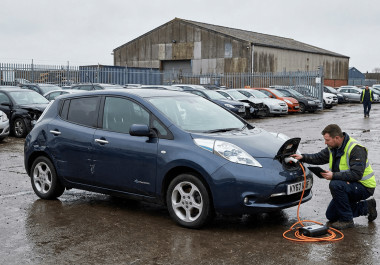
A vehicle officially becomes an ELV when it is designated as waste by its owner, often following an insurance write-off or significant mechanical failure. These cars must then enter the regulated dismantling stream, which is specifically designed to handle the complex mix of materials they contain. For owners looking to dispose of end-of-life vehicles, arranging scrap collection connects you with authorised collectors. This often includes vehicles like those sourced through commercial vehicle auctions that are no longer economical to repair. Proper declaration as an ELV triggers the chain of legal requirements necessary for depollution and recycling.
The Role of the Authorised Treatment Facility (ATF)
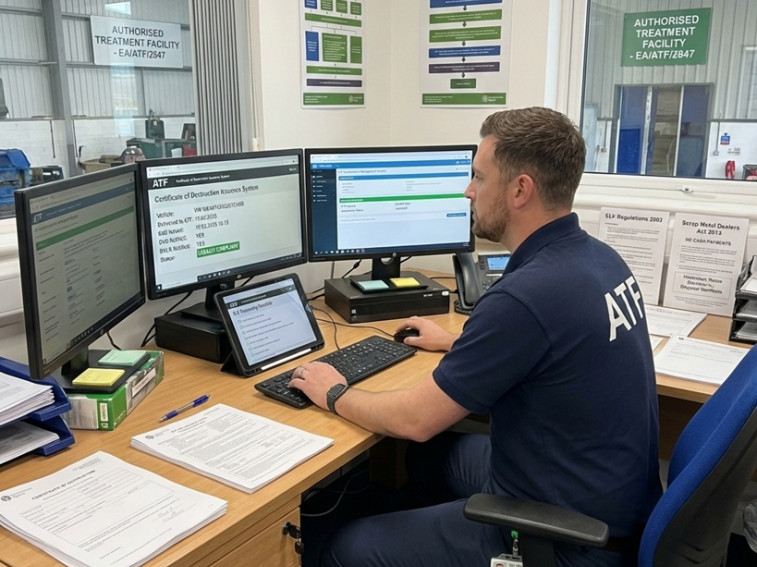
All facilities in the UK that accept, dismantle, or scrap ELVs must be officially recognised as an Authorised Treatment Facility (ATF). ATF status confirms that the operation meets strict environmental standards for handling hazardous fluids and disposing of vehicle components responsibly. You cannot legally issue a Certificate of Destruction (CoD) or process a scrap vehicle without being certified as an ATF. Securing and maintaining Authorised Treatment Facility accreditation is the single most important legal hurdle for any auto recycler.
Mandatory Legal Steps for Auto Recyclers
Operating within the law involves more than just holding the correct license; it requires following precise administrative procedures for every vehicle processed. These administrative actions are vital for keeping accurate records and ensuring the vehicle's legal status is correctly updated with the relevant authorities. Adopting disciplined protocols for document handling is a key component of the Legal Steps for Auto Recyclers. For professionals sourcing stock, platforms like RAW2K Vehicle Auctions provide transparent provenance records, simplifying the initial compliance checks.
Issuing the Certificate of Destruction (CoD)
The Certificate of Destruction (CoD) is the only document that proves a vehicle has been legally scrapped and depolluted according to UK standards. Certificate of Destruction issuance must occur immediately after the vehicle is delivered to the ATF. Only an Authorised Treatment Facility can issue a CoD, confirming that the legal process of dismantling has begun. The CoD releases the last keeper from future legal liability related to the vehicle.
Notifying the DVLA Correctly
Once the CoD is issued, the ATF must immediately notify the DVLA notification system that the vehicle has been destroyed. Proper Certificate of Destruction issuance followed by timely DVLA notification removes the vehicle from the DVLA register, preventing future taxing or licensing. Failure to notify the DVLA promptly can lead to the previous keeper being fined, undermining the trust between the recycler and the customer. This meticulous record-keeping is a professional responsibility that should never be overlooked, especially when dealing with high volumes of stock secured at auction. The Legal Steps for Auto Recyclers require keeping detailed records of every vehicle, including its source, the CoD details, and the eventual disposal of its components. Think of these legal processes as the necessary administrative safeguards that accompany the physical dismantling work. Just as a project manager meticulously tracks every stage of a construction job, you must track every step of a vehicle's life cycle until its final destruction.
Understanding Hazardous Waste Disposal
A significant part of the Legal Rules for Dismantling Cars relates directly to environmental protection and the management of hazardous materials found in every vehicle. Before any physical recycling can occur, a process known as depollution must be carried out in a controlled environment. This stage is crucial for preventing toxic fluids and components from harming the environment.
Depollution Requirements
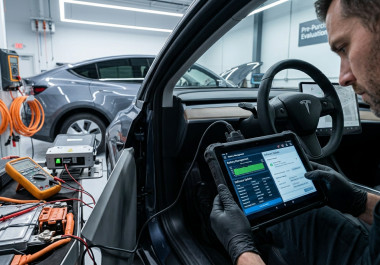
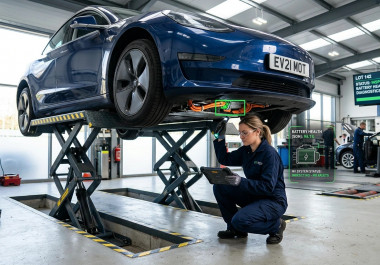
Depollution involves the systematic removal of all hazardous liquids and components from the ELV before crushing. This includes engine oil, transmission fluid, brake fluid, fuel, coolant, and battery acid. It also encompasses the removal of potentially explosive items like airbags and seat belt pretensioners, which must be handled safely and correctly. Specialist equipment is mandatory for this process, ensuring all depollution procedure requirements are met and that all fluids are safely collected and stored for hazardous waste disposal.
Adhering to Scrap Metal Compliance
Beyond depollution, the physical scrapping of the vehicle is governed by the Scrap Metal Dealers Act 2013, which focuses on preventing crime. This Act requires all scrap metal payments to be traceable, meaning that cash payments for scrap metal are strictly prohibited. Payments must be made via cheque or electronic transfer, ensuring full transparency in all transactions. This legislation underpins the integrity of the industry, supporting legitimate businesses involved in recycling salvaged stock through Scrap Metal Dealers Act compliance measures.
Securing Salvage Stock from UK Auctions
The platform provides the perfect source for dismantlers seeking a consistent supply of vehicles that fit the ELV criteria. You can access salvage vehicle auctions transparently, making it easy to identify stock that requires professional dismantling rather than repair. For buyers focusing on larger commercial stock, commercial vehicle and HGV auctions offer opportunities for high-volume dismantling operations. Locating regional auction options can drastically reduce transportation costs.
Targeting Category S and N Vehicles
Salvage categories are a key indicator for dismantlers. While Category S (Structural) and Category N (Non-Structural) vehicles can be repaired, they are often acquired by ATFs when the repair work proves uneconomical. View salvage category vehicles to find high-value parts for resale and quality scrap metal. By targeting these lots, you secure a reliable source of material for your recycling operations.
The Importance of Provenance
When purchasing a salvage vehicle, always review the listing to understand its history and provenance. Detailed information is provided to help you identify the vehicle's source, often insurance companies, which gives confidence in the legitimacy of the sale. This transparency helps ensure you are acquiring the vehicle from the rightful owner, a vital step in maintaining compliance with all Legal Rules for Dismantling Cars. If you have questions about vehicle documentation, contact our support team for assistance. Remember, a vehicle's compliance starts the moment you win the bid.
Final Compliance Check and Next Steps
Maintaining compliance is a daily operational task, not a one-time setup. It requires continuous diligence, training, and documentation to ensure all regulatory obligations are met consistently. Are your employees trained in the latest depollution techniques? Do you have a robust system for issuing and tracking every CoD? Here is a quick checklist of continuous compliance actions: Maintain ATF Accreditation: Ensure all permits and licenses are current and Authorised Treatment Facility accreditation standards are consistently met. Audit Depollution Process: Regularly review depollution procedure requirements to guarantee 100% removal and safe storage of all hazardous fluids. Secure Payment Compliance: Adhere strictly to Scrap Metal Dealers Act compliance with non-cash payment rules for all transactions. Timely DVLA Updates: Complete all DVLA notification procedures immediately upon issuing the CoD. Comprehensive Documentation: Store records of all transactions, CoDs, and hazardous waste manifests for the legally required period. Maintaining this high level of compliance ultimately solidifies your professional reputation as a trusted auto recycler. Create your auction account to begin sourcing compliant ELV stock with full provenance documentation. We aim to support your business from procurement to full compliance, which is why thousands of dismantlers choose RAW2K Vehicle Auctions as their trusted source for ELV stock.